

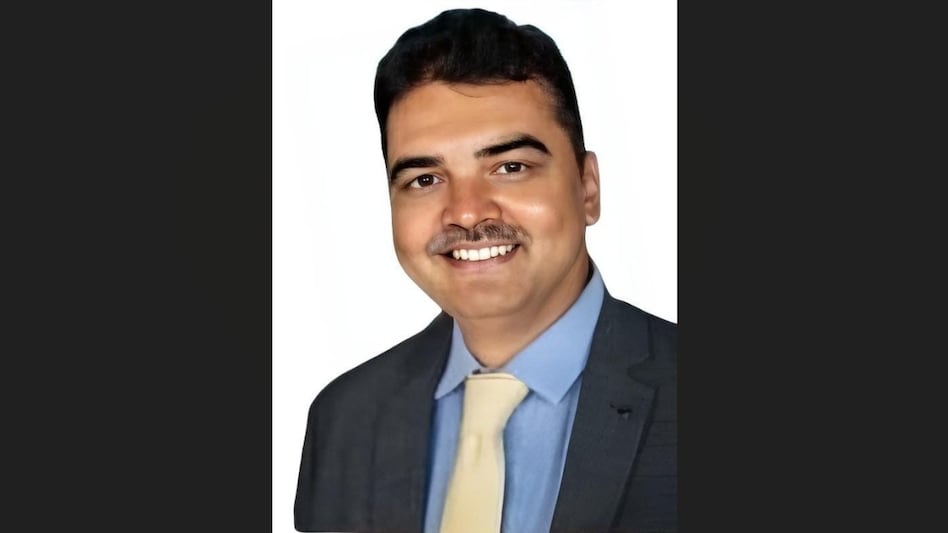
 Srikanth Matrubai, founder & CEO, Srikavi Wealth/AMFI registered mutual fund distributor
Author: Srikanth Matrubai, founder & CEO, Srikavi Wealth/AMFI registered mutual fund distributor
For years, investors largely operated within two familiar worlds. On one side were traditional mutual funds, offering simplicity, diversification and regulatory comfort. On the other were portfolio Management Services (PMS) and Alternative Investment Funds (AIFs) that offered greater flexibility, but with significantly higher entry barriers and more complex strategies.
 Ex-mill sugar prices fall 20% as government cracks down on hoarding; new quota system from Sept
 India paid 29% more for cooking gas after Hormuz strikes: Report
 RIL-backed penny stock hits 52-week low; firm clarifies on high trading volume
 Nepal faces years-long rebuild and $5 billion bill after devastating flash floods, says billionaire
  Noel Tata, Shapoorji Pallonji negotiate share swap for 18.4% Tata Sons holding: Report
 Reasons Why Arvind Could Be A Big Winner In India’s Textile Sector
 “Analogue Paneer Isn’t Fake”: Sanjeev Kapoor On FSSAI Rules & What Consumers Must Know
 PSU Banks Vs Private Banks: Why Investors Are Betting Big On PSU Bank ETFs
 EV Insurance Explained: Battery Damage, Repairs & Insurance Coverage | Personal Finance
 Radhika Gupta On The Money Gap: Why Women Must Manage What They Earn
 RIL-backed penny stock hits 52-week low; firm clarifies on high trading volume
 Happiest Minds shares slip despite IT stocks surge; here's what is weighing on the stock
 BEL, Solar Industries shares remain Nuvama's top defence picks; here's what it said on BDL, Data Patterns, HAL
 Mid-cap IT stock jumps 20%; brokerage sees turnaround potential, here's what it said
 Ola shares rise 6% on S1Z launch with indigenous cell tech, claims 301 km per charge
 Android phones could soon shut down, restart or put your PC to sleep remotely
  ‘Kahan se Amit-ji ko laye hain?’ How KBC became TV’s biggest hit despite early scepticism
 Young Americans aged 18-21 traded $5.4 billion on Kalshi this year: Report
 Bihar–Bengaluru trip: Danapur–SMVT Bengaluru Express to run daily from Sept 1; check schedule, route and stops
  Nepal flash flood: 85 Indians rescued among 121 foreign travellers












