


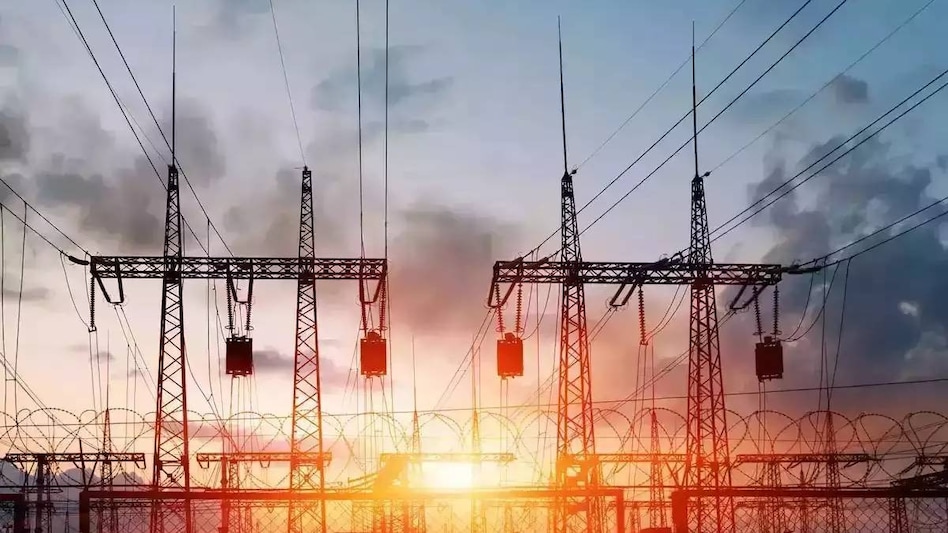
 The unprecedented demand is testing India’s power infrastructure. The surge has already exceeded forecasts for this time of year, catching planners off guard.
 India’s electricity grid is being pushed to its limits as an intense and early heatwave sweeps across large parts of the country, driving record-breaking power demand and raising fresh concerns over energy security, infrastructure resilience, and climate stress.
India’s peak power demand has surged to an all-time high of around 256 gigawatts (GW) in late April, surpassing the previous record of about 250 GW set in May 2024.

 NSE IPO: NSE to become 7th most valuable exchange, 3 times BSE’s mcap
 BRICS nations must open markets for each other’s products, ease up clearances: Piyush Goyal
  ‘Forget BRICS, look towards the US and Europe’: Surjit Bhalla questions how the bloc has benefitted India
 Adani Ports' former CFO, MD settle PMC case with Sebi, pay Rs 13.65 lakh each
 9/11 anniversary: PM Modi honors victims on 25th anniversary, reaffirms anti-terror resolve
 Japanese City Nagoya Flooded Just 10 Days Before Asian Games Opening 2026, Athletes Evacuated
 BRICS Summit | Xi Returns To India After 7 Years: Can Modi-Xi Bonhomie Survive The Galwan Shadow?
 Piyush Goyal Urges BRICS To Open Markets, UPI Linkages & Easier Global Trade
 Modi-Putin BRICS Meet: Russian Oil, Defence & Trade On Agenda As India-Russia Ties Enter New Phase
 Festive Demand Outlook: Will Inflation And Weak Monsoons Dampen Consumer Spending This Season?
 Cochin Shipyard shares slip over 9%, here's why
  Wipro shares in a multi-month downtrend; price targets, resistance and support levels
 Lodha, Godrej Properties, other shares slide as Nifty Realty hits two-month low; here's whyNSE IPO: NSE to become 7th most valuable exchange, 3 times BSE’s mcap
 ESDS Software shares hit 10% upper circuit for 5th day in a row; stock gains 300% from IPO priceJapanese City Nagoya Flooded Just 10 Days Before Asian Games Opening 2026, Athletes EvacuatedCochin Shipyard shares slip over 9%, here's why BRICS Summit | Xi Returns To India After 7 Years: Can Modi-Xi Bonhomie Survive The Galwan Shadow?Wipro shares in a multi-month downtrend; price targets, resistance and support levelsPiyush Goyal Urges BRICS To Open Markets, UPI Linkages & Easier Global Trade












