


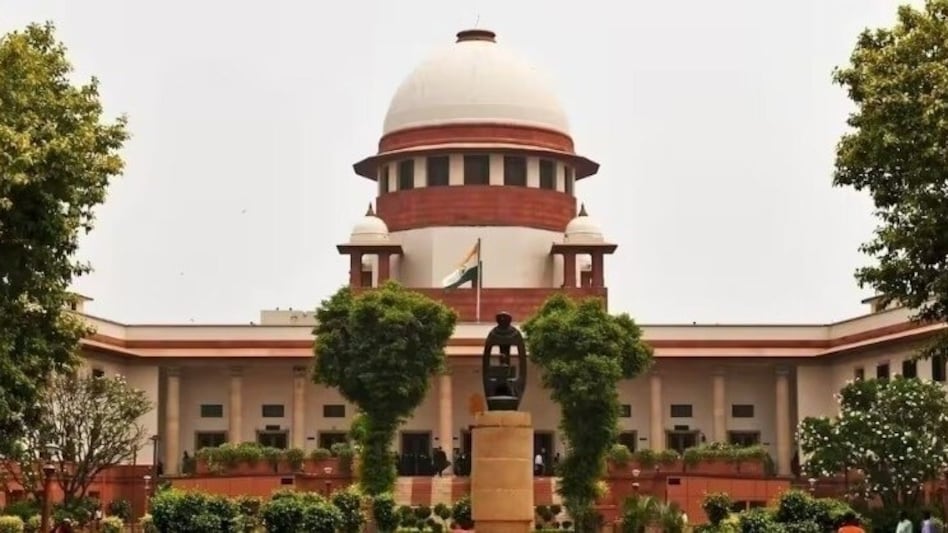
 A bench of Justices P S Narasimha and Alok Aradhe was hearing a batch of petitions, including one filed by the Federation of All India Medical Association.
With the future of lakhs of medical aspirants in focus, the Supreme Court on Friday told the Centre that it would closely monitor the steps taken to curb NEET examination paper leaks, while underlining that ad hocism had caused trouble for years. The top court said it would ensure the examination process was institutionalised to prevent a repeat of paper leaks, PTI reported.

 'We don't fear competition': Reliance hits back at Musk's Starlink India claims
 Jio IPO: How Ambani’s telecom giant stacks up against Mittal’s Bharti Airtel
 Sky-high airfares: Govt to publish new rules within 2 weeks, Centre tells Supreme Court
 BT BIG STORY: 'Ratan Tata never wanted to list Tata Sons'
 Jio Platforms IPO: GMP hits new high; what could drive next phase of growth for telecom major
 Sennheiser Momentum 5 Review: Best Premium Headphones Under ₹40,000?
 Jio Platforms IPO: ₹30,000 Crore Issue Opens October 21, Valuation At ₹10.3 Lakh Crore
 Weekend OTT Releases: The Diplomat 4, Aasha, Sacrifice And More
 How Jio Transformed India From Data Scarce to Data Abundant! | Akash Ambani | Jio Platforms IPO
 Akash Ambani Decodes Jio's Financial Muscle | Reveals The 5 Key Business Drivers | Jio Platforms IPO
 Swiggy shares rebound from record low; brokerage upgrades stock to 'Buy'
 Jio IPO: Why Bharti Airtel share price is rising ahead of Rs 30,213 crore offer
  Persistent Systems shares: Why this stock fell 6% after Q2 results; target prices
  Jio Financial shares: 37% upside potential in stock, what else MOFSL says post Q2 earnings
 HD Fire Protect IPO: How to check allotment status, odds of getting shares, fresh GMP & listing date
 'Businesses don't suffer because of peaceful protests': CJP's Abhijeet Dipke on Delhi traders' complaints
 AT-1 bonds explained: Perpetual debt, call options and the risk of losing your investmentSwiggy shares rebound from record low; brokerage upgrades stock to 'Buy'
 Anthropic opens applications for 2027 STEM & conceptual reasoning fellowships. How to apply?Jio IPO: Why Bharti Airtel share price is rising ahead of Rs 30,213 crore offer












