


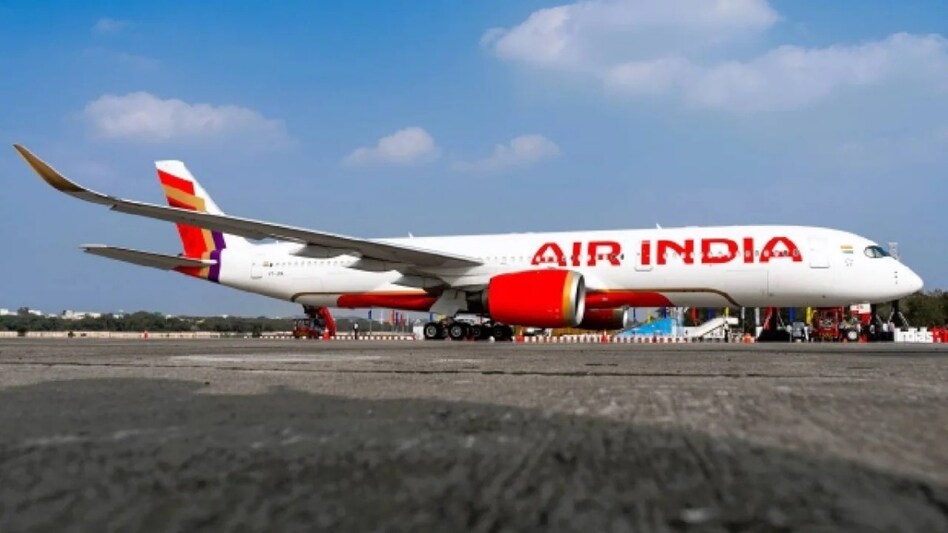
 The Dreamliner crash triggered sweeping reviews by the Directorate General of Civil Aviation (DGCA).
Three major Air India international flights were cancelled on June 17–18, 2025, following intensified safety checks ordered after the deadly AI171 crash.
Technical issues and fleet-wide inspections are disrupting Dreamliner operations worldwide.

 'Losing every step of the way': 25 states challenge Trump's latest 10-12.5% import tariffs on 60 nations including India
  Meesho shares: Rs 1,949 cr worth block deal! 10.48 cr shares changed hands; key details
 FSSAI bars Dabur from selling products with ‘100 per cent’ claims over labelling concerns
 Telegram app restored on Apple App Store after disappearing briefly without explanation
 LIC OFS today: Floor price at 10% discount; govt to sell up to 6.5% stake
 Walsh Is Here To Wash Away IndiGo's December Fiasco?
 How To Build The Right Investment Portfolio In Today's Market | Aditya Pagaria
 MV Electrosystems' IPO Comes With A Strong Order Book And Growth Plans
 "India Grew 7.7%": CEA V Anantha Nageswaran Hails India’s Economic Resilience
 Rainbow Children's Q1 Revenue Grows 33%; Eyes Mumbai Entry, Expands Andhra Footprint
 Meesho shares: Rs 1,949 cr worth block deal! 10.48 cr shares changed hands; key details
 KEC International: Infra firm's stock with Rs 6,300-cr order book in focus today
  BHEL Vedanta, ITC: Top stocks to trade — Check key levels, target price, stop loss & more
 Paytm block deal today: Rs 2,002 cr worth shares may change hands; here's list of sellersLIC OFS today: Floor price at 10% discount; govt to sell up to 6.5% stake
 Hrithik Roshan leases out Mumbai office for 5 years; here's how he'll earn ₹17 lakh in rent every month
 Gold, silver prices today (August 4): Check latest rates in Delhi, Mumbai, Kolkata, other citiesMeesho shares: Rs 1,949 cr worth block deal! 10.48 cr shares changed hands; key details
 Does Airplane Mode really charge your phone faster? Here's the truth
 LPG, CNG, PNG prices today, August 4: Check latest rates in Delhi, Mumbai, Kolkata, other cities










