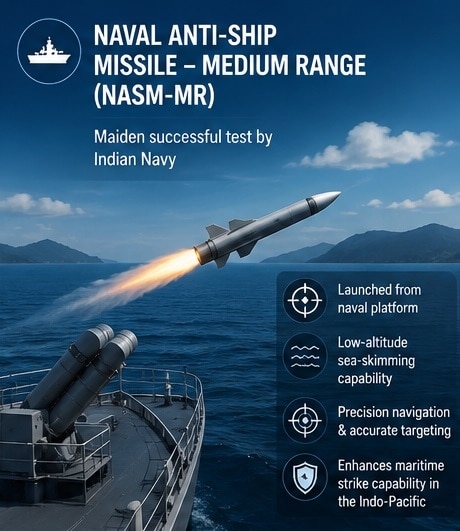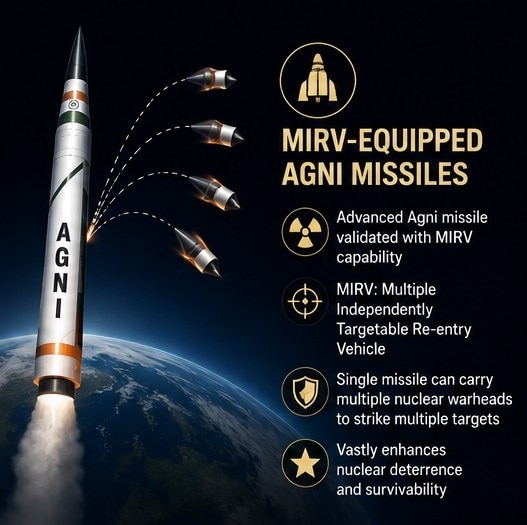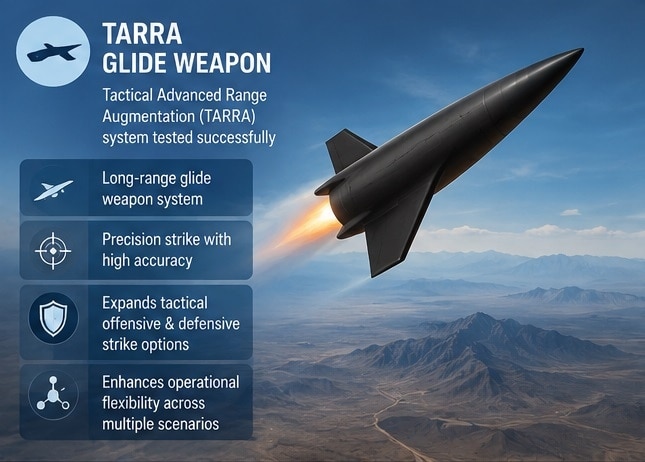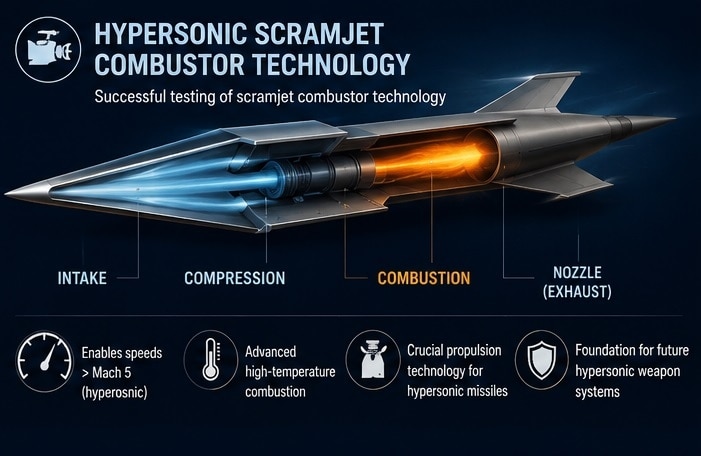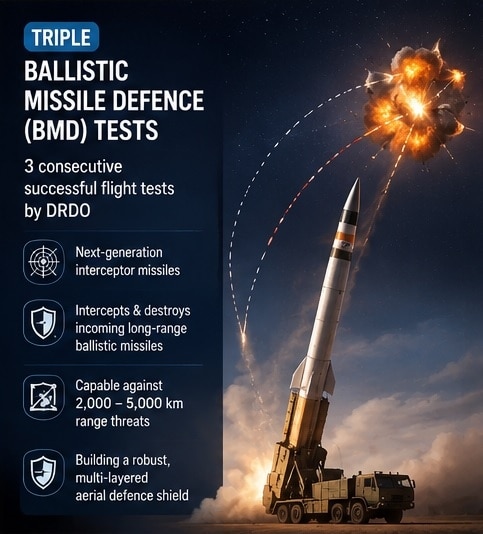



 The achievements come at a time when the global security environment is becoming increasingly complex.
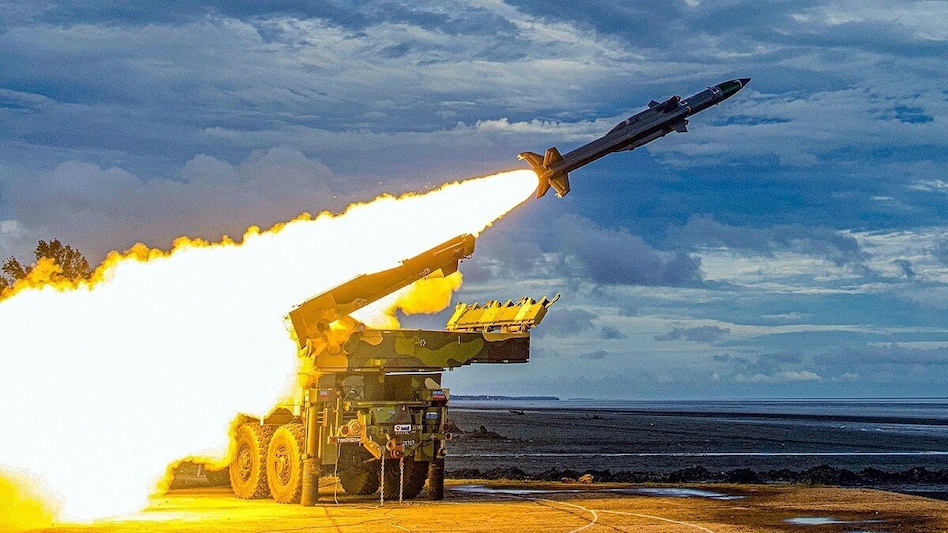
In a significant display of technological and strategic advancement, India has achieved six major missile and defence breakthroughs within the span of a single month, reinforcing its status as one of the world's emerging high-end military powers.
The series of successful tests and validations — ranging from next-generation ballistic missile defence systems to hypersonic propulsion technology — marks a major milestone in the country's quest for strategic autonomy and credible deterrence.

 6th-gen fighter tech: India turns to French-led European consortium to ensure air force doesn't lag
 EV boom could trigger a new commodity supercycle: Why copper, lithium, graphite matter
 Air India, Air India Express hike pilot salaries by up to 17% amid poaching battle: Report
 Adani, Reliance Kutch projects made companies beeline for renewable projects near Pak border
  India vs Taiwan, South Korea: Where is global capital heading next?
 Income Tax Notices Explained: Common ITR Mistakes That Can Trigger A Tax Department Notice In India
 Reasons Why Your Health Insurance Claim Gets Rejected | Experts Share How To Avoid Them
 Deductibles Vs Co-pay In Health Insurance: What They Mean & How They Affect Your Premium | Health Insurance
 How To Choose Mutual Funds And Avoid Costly Investing Mistakes
 FSSAI Penalizes AWL After Fortune Sunflower Oil Fails Vitamin D Test In Goa
 Poonawalla Fincorp: Planning to buy the NBFC stock? Here's what expert says
  Adani Green shares down 16% from July high; is it time to buy this Adani stock? Targets
 Short-term buy ideas: 2 stocks that Pradip Halder is betting on
 India’s realty IPO market evolves: Why workspaces, managed assets are next big theme
 PPFAS MF's Rajeev Thakkar explains why the fund isn't chasing OpenAI-like AI stocks
 Spanish ambassador to India faces exit over alleged illicit deal with visa processing firm 6th-gen fighter tech: India turns to French-led European consortium to ensure air force doesn't lagAir India, Air India Express hike pilot salaries by up to 17% amid poaching battle: Report
 Shifting base to Dehradun: Rishabh Pant seeks CM's help in buying land, Pushkar Singh Dhami assures action
 From 2008 cult classic ‘Subramaniapuram’ to driving an auto: How actor Marimuthu’s life changed after fame