


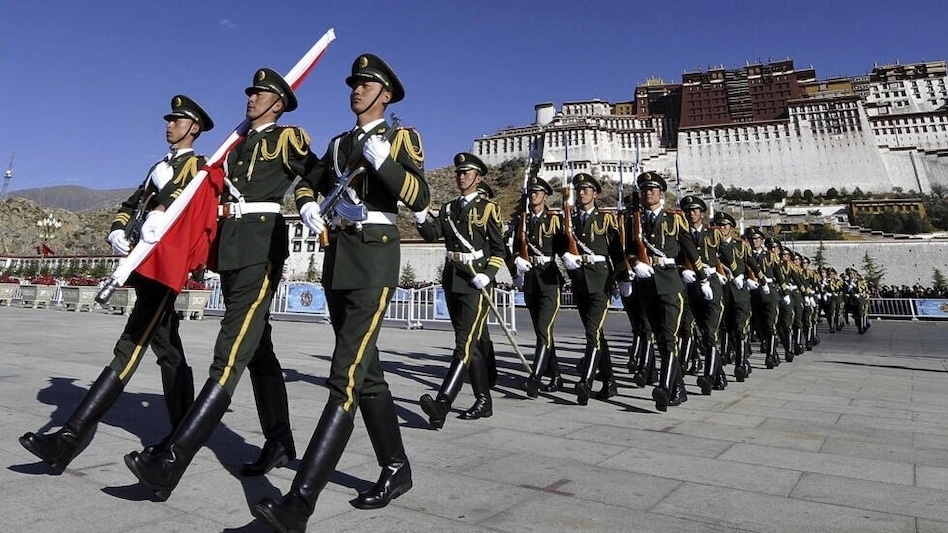
 Tibet remains central to these tensions.
Tibet remains at the heart of India-China relations, shaping the deep undercurrents of mistrust and strategic rivalry between the two neighbours. For India, Tibet’s past role as a buffer and the presence of the Dalai Lama and the Tibetan government-in-exile on its soil keep the issue politically and diplomatically sensitive.
Geopolitical analyst Brahma Chellaney points out that India’s Arunachal Pradesh shares a 1,200-km border with Tibet, not China, as the state’s chief minister has asserted. This applies to India’s entire Himalayan frontier, traditionally known as the Indo-Tibetan border. Yet, Chellaney argues, Tibet remains the core issue in India-China relations — a reality often obscured by official Indian timidity.

 HDFC Bank's next CEO: Deputy MD Kaizad Bharucha in focus after Jagdishan opts out
 India's debt ratio looks reasonable, but its interest cost doesn't, says ISB finance professor
 Less than $1 per tonne-km: Bengaluru startup announces autonomous seaplane to cut cargo costs
 Nepal issues fresh flood alert as Bhote Koshi river flow increases further
 From IIT, IIM and London to IAS: Deoria DM Divya Mittal resigns after 13 years
 Content Creators: Are Free Products & Brand Gifts Taxable? GST & Income Tax Explain
 Xiaomi's Sub-Brand Mijia Launches New Air Purifiers In India
 Can Quick Commerce Growth Help It Reclaim Its All-Time High? | Zomato Shares | Swiggy Shares
 From ‘Pothole City’ To Global Hub? D. K. Shivakumar’s Big Bengaluru Vision
 Tax-Saving Hacks: Expenses For Content Creators & Freelancers — What You Can Claim
 Jio Platforms IPO gets SEBI nod: Rs 27,500 crore debt repayment plan, $100 billion valuation in focus
 Closing Auction Session: Why the system expected to reduce volatility is still seeing occasional wild swings
 RIL-backed penny stock hits 52-week low; firm clarifies on high trading volume
 Happiest Minds shares slip despite IT stocks surge; here's what is weighing on the stock
 BEL, Solar Industries shares remain Nuvama's top defence picks; here's what it said on BDL, Data Patterns, HAL
 China says it has shared satellite, hydrological and early-warning data with Nepal
 Tibet-Nepal floods: Limited footage in China as videos of devastation spread across the worldContent Creators: Are Free Products & Brand Gifts Taxable? GST & Income Tax Explain
 India sends 68.5 tonnes of relief, tunnel experts and Bailey bridge equipment to NepalXiaomi's Sub-Brand Mijia Launches New Air Purifiers In India












