


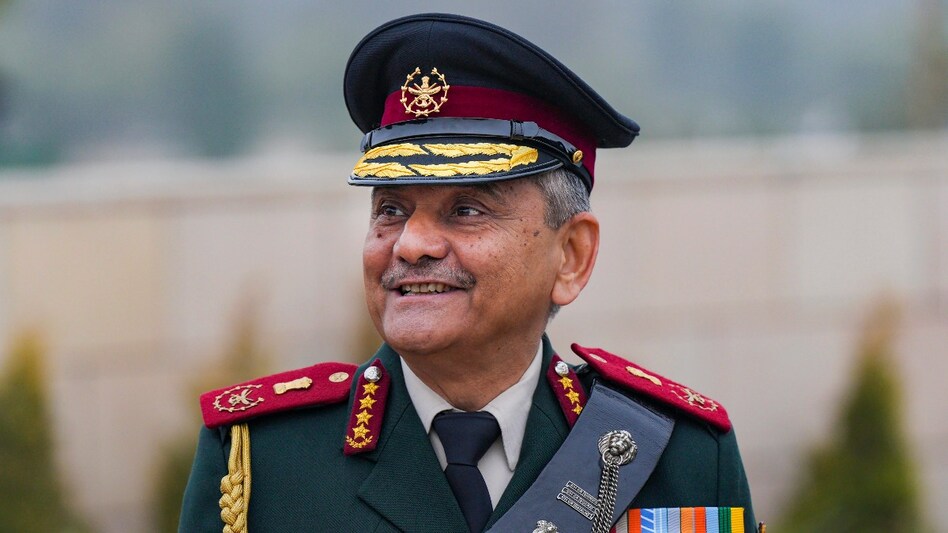
 Chief of Defence Staff General Anil Chauhan says Op Sindoor demonstrated India's air power
Chief of Defence Staff (CDS) General Anil Chauhan emphasised the significant role the Indian Air Force could have played in the 1962 Sino-Indian war. In a recorded message at the launch of late Lieutenant General SPP Thorat's revised autobiography, 'Reveille to Retreat', General Chauhan reflected on strategic choices during the conflict. Lt Gen Thorat was the General Officer Commanding-in-Chief, Eastern Command, in the lead-up to the Sino-Indian war.
Chauhan indicated that using air power might have slowed or even prevented the Chinese offensive, giving the Indian Army more time to prepare. Citing Operation Sindoor as a recent example, he illustrated how perceptions towards air power have shifted, marking an evolution in India’s defence strategy.

 How Indian investment overseas is gathering momentum
 ITR filing 2026: Confused by the 'reason for filing ITR' question? Here's what taxpayers need to know
 'Hindu daughters not entitled if...': Madras HC's key ruling on ancestral property rights
 Your UPI payments could soon be more private; NPCI plans to mask phone numbers on UPI apps
 Tata Capital roadmap: 100% micro-housing growth, 500 gold loan branches and more
  Gandhi’s Vs Pralhad Joshi: Massive Row In Parliament As Rahul & Priyanka Launch Fierce Attack
 Market Outlook Amid West Asia Crisis: Expert Reveals Dalal Street's Biggest Tailwinds
 "Every Indian Should Be Proud": Rahul Gandhi Backs Youth Protests Over Paper Leak In Lok Sabha
 "Gau Mutra Expert" Jab Sparks Fierce Clash In Lok Sabha Between Priyanka Gandhi And Anurag Thakur
 Sham Democracy In PoK: Violence, Ballot Burning, And Rigging Claims Mar Phase 1 Elections!
 Adani Enterprises posts Rs 1,160 crore Q1 loss on one-time OFAC settlement; revenue jumps 50%
 Chockalingam Narayanan identifies 3 key emerging trends, says this on earnings
 Indian Bank share price: Fresh highs or sharp correction? What are key levels for it
 Q1 earnings 'ahead of outlook': KPIT Technologies shares gain most in 1.5 years, rise 10%
  ITC Hotels investors stuck? Here's what a market expert recommends - Key levels
 Machine failed, business suffered: Kerala entrepreneur wins ₹75,000 after three-year battle over ₹25 lakh equipmentGandhi’s Vs Pralhad Joshi: Massive Row In Parliament As Rahul & Priyanka Launch Fierce AttackMarket Outlook Amid West Asia Crisis: Expert Reveals Dalal Street's Biggest Tailwinds"Every Indian Should Be Proud": Rahul Gandhi Backs Youth Protests Over Paper Leak In Lok Sabha"Gau Mutra Expert" Jab Sparks Fierce Clash In Lok Sabha Between Priyanka Gandhi And Anurag Thakur










