


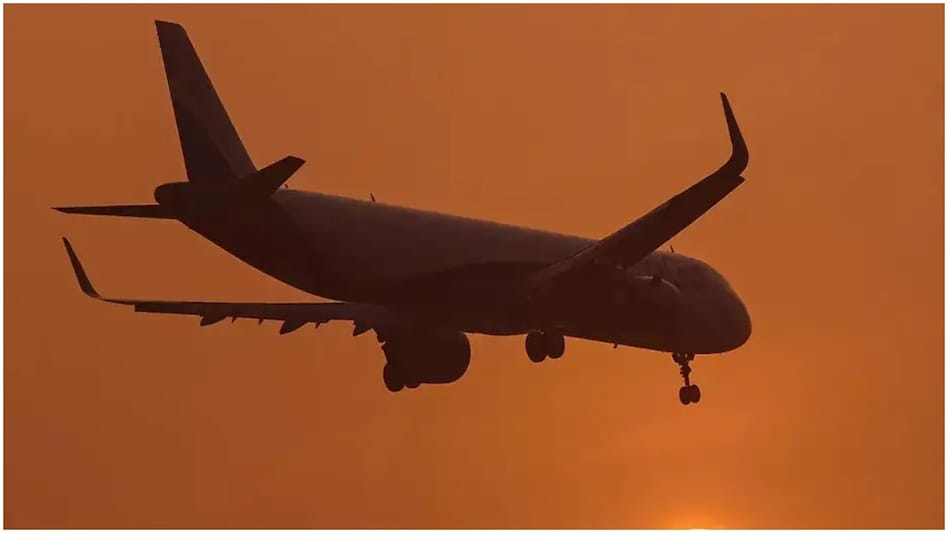
 DGCA advisory for airlines: The DGCA listed 11 countries as high-risk zones and 9 countries for avoiding operations.
 As the conflict between Iran and the US-Israel continues to escalate and roil West Asia, the Directorate General of Civil Aviation (DGCA) issued an urgent safety advisory to all Indian airline operators on Friday.
The advisory is effective immediately and remains valid till March 28, 2026 until further notice. The DGCA identified 11 countries as high-risk zones and 9 as countries to avoid operations in.
In its advisory, the civil aviation regulator warned of dangers such as the use of cruise and ballistic missiles and high-altitude air defence systems.
It further cited a high probability of "spill-over" risks, including misidentification of civil aircraft, miscalculation or failure of military interception procedures. The advisory comes at a time when many airlines have either suspended or restricted their services to destinations in West Asia.
List of high-risk countries
List of countries for avoiding operations
"Refrain from operating within the affected airspace listed above at all flight levels and altitudes, except Saudi Arabia and Oman," DGCA said in its advisory accessed by India Today. It further warned airlines against operating below FL 320 (32000 feet) within the airspace of Saudi Arabia and Oman.
What do these restrictions mean for flights?
Major airlines, including Air India and IndiGo, will have to use longer flight routes to bypass the restricted zones, particularly for European and North American routes. Rerouting of flights is likely to add several hours to flight durations for international long-haul sectors.
What should passengers impact?
Passengers are urged to verify the current status of their flight directly with the concerned airline's app/website before heading to the airport. They can also check the concerned airline's official social media handles to know the status of their flight.
Besides this, many airlines are offering flexible rebooking options and full refunds to affected passengers. For those booking their flights, the increased fuel usage due to longer routes may lead to an increase in ticket prices if the situation persists.
What should the airlines do?
Airlines have been advised to refrain from operating within the affected airspace at all flight levels and altitudes, with the exception of Saudi Arabia and Oman. "Any continued operations would be at the discretion of the Operator based on their safety risk assessment," the DGCA said.
The airlines have been advised to implement a strong monitoring process and up-to-date risk assessment when intending to operate within the Saudi and Omani airspace. The DGCA also directed airlines to update and use defined corridors based on risk assessment to ensure continued safe operations.
It further advised airlines operating in the affected region to account for robust contingency planning to cover all eventualities. The airlines have also been urged to ensure extended diversion time operations (EDTO) compliance if applicable, as well as the availability of alternates for the selected routes.
At the end, they were advised to monitor all updated aeronautical information publications/AIPs and NOTAMs issued by affected countries and national authorities. The operators have to provide their flight crew with information regarding the latest NOTAMs and airspace restrictions affecting flights that are already airborne.

 'Will discharge my responsibilities with complete humility': Pralhad Joshi after being appointed Education Minister
 'All Delhi metro stations open for passengers,' says DMRC after CJP calls off Jantar Mantar protests
 Who is Pralhad Joshi? Modi names veteran Karnataka BJP leader to lead Education Ministry after Pradhan's exit
 The 'Two-Income Trap': Why higher salaries aren't translating into wealth -- expert explains
 Corporate FDs offer up to 9.1% interest: Should you choose them over bank fixed deposits?
 FDs vs Markets: Where Should You Keep Your Short-Term Money?
 Why Term Insurance Is Essential for Every Earning Member | Sum Assured & Coverage Explained
 Pakistan's Alleged Terror-Politics Nexus: Lashkar Links Spark Questions Over Fazlur Rehman
 Think Life Insurance Is Optional? Here's Why Every Indian Family Needs It Today
 FD Vs Arbitrage Fund: Which Is Better For High Taxpayers?
 Adani Power: 45 GW target, Rs 2 lakh crore capex plan among conference call highlights
  ITC Hotels, Chalet, Ventive, IHCL, SAMHI: Hotel stocks to buy despite travel disruptions
 ITC shares: Rs 307 a key short-term level to watch; here's target price
 Mphasis shares: FY27 guidance maintained; brokerages keep 'Buy' after Q1; check target price
 Should you buy every IPO? Research suggests patience may be the smarter strategy
 Petrol, diesel prices today, July 26: Check latest rates in Delhi, Mumbai, Chennai, Kolkata and other cities
 LPG, CNG, PNG prices today, July 26: Check latest rates in Delhi, Mumbai, Chandigarh, other cities'All Delhi metro stations open for passengers,' says DMRC after CJP calls off Jantar Mantar protests
 Warren Buffett's 500-pages a day rule: Tactics to build a sharper mind through regular reading
 Quote of the Day by Narayana Murthy : ‘Entrepreneurship is all about...’









