


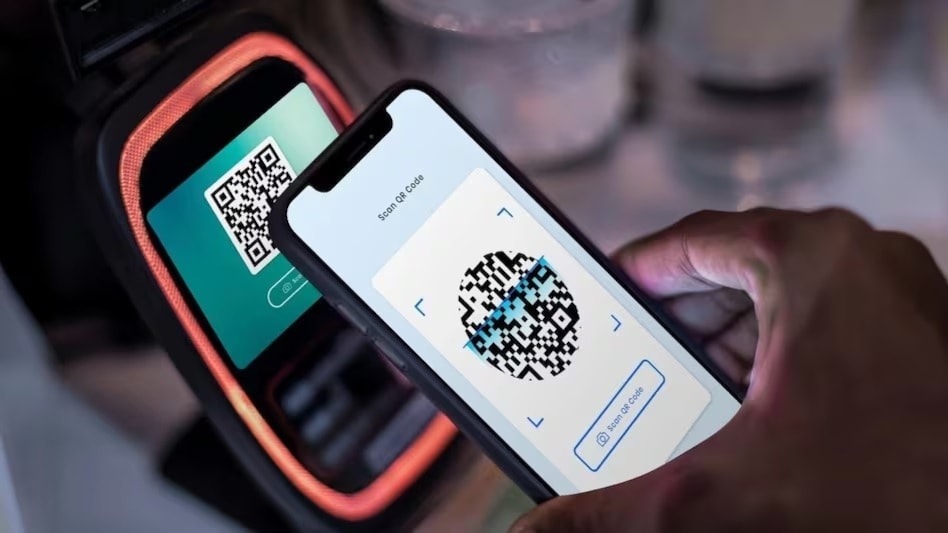
 Launched in 2016, UPI has become the dominant mode of payments amongst digital transactions with 23.66 billion transactions.
The Centre has set the ball rolling on levying merchant fees on digital payments such as Unified Payments Interface (UPI) and RuPay debit cards. Finance Minister Nirmala Sitharaman has tabled amendments to the Payment and Settlement Systems Act, 2007 that would permit the government to enable levying of merchant discount rates (MDR) on specified digital payments after being notified in the future.
The proposal has led to divergent reactions from consumers, merchants and industry. While consumers are concerned that UPI, which has been free till now and extremely convenient, will become costlier with the levy of MDR, industry has been seeking the levy for long on digital payments like UPI to make the digital payments infrastructure financially sustainable.

 Rajiv Kumar pushed for changes at HDFC Bank; Sashidhar Jagdishan chose to step down: Report
  BT EXCLUSIVE: Can the soundbox become a bank branch?
 IPO rush at Dalal Street: Not every issue is worth investing in; how to spot red flags
 How Sun Pharma is avoiding a tariff hit by agreeing to MFN pricing for US Medicaid
 Who is George Kovoor? PepsiCo veteran takes charge as Parle Biscuits CEO
 Modi, Putin, Xi, Pezeshkian At SCO: Is Trump Facing A New Anti-U.S. Power Bloc?
 Two Kerala Women Die In California; Families Await Answers And Their Daughters’ Return Home
 PAK’s Digital Terror Plot: How ISI-Backed Networks Hide Behind Anonymous Online Chats
 RSS Chief’s Mohan Bhagwat’s ‘Vishwaguru’ Message Sparks Political Clash Over India’s Idea Of Service
 Why Are Himalayan Disasters Increasing? Nepal, Uttarakhand & Sikkim Sound The Alarm
 IPO rush at Dalal Street: Not every issue is worth investing in; how to spot red flags
 Sugar stocks: Why Balrampur Chini, Bajaj Hindusthan, Dwarikesh Sugar, others are falling today
 Titan, PC Jeweller, Manappuram Finance, Kalyan Jewellers shares fall up to 7% post PM Modi's appeal
  GIC Re shares: Why Angel One sees 25% upside on this PSU reinsurer
 Tata Elxsi shares climb after pact with Sarla Aviation for Shunya aircraft; details here
 John Ternus net worth: Apple CEO’s salary, career and estimated $75 million fortune revealed
 Anthropic resumes Claude testing after real-world hacks, adds stronger AI safety safeguards
 From ₹10 lakh on day 1 to ₹45.63 crore lifetime: The miracle of 'Hanuman Ansh' at box office
 Achieving Financial Goals with Lifecycle InvestingIPO rush at Dalal Street: Not every issue is worth investing in; how to spot red flags












