


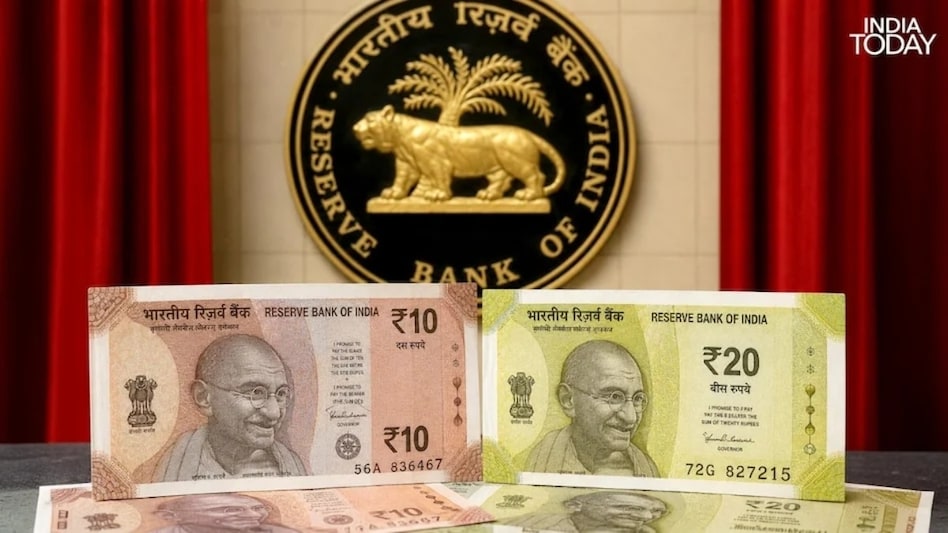
 According to the RBI, polymer notes have a higher upfront production cost than paper notes but are significantly more durable.
Plastic currency notes could begin entering circulation in India at the start of the next financial year, subject to the successful completion of field trials, Reserve Bank of India (RBI) Governor Sanjay Malhotra said on Wednesday.
Addressing the media after the Monetary Policy Committee (MPC) meeting, Malhotra said the central bank is moving ahead with plans to introduce polymer banknotes in the ₹10 and ₹20 denominations on a trial basis.

 GST mop up rises 14.8% to nearly ₹2 lakh crore in August, refunds climb 68%
 Purple Style Labs IPO: Pernia Qureshi sends legal notice over ‘Pernia’ rights; Axis Capital revises note
 Subhash Chandra debt: NCLT stays previous order against media baron, issues notices to him and lenders in ₹6.5 crore repayment case
 'Don't take foreign trips, avoid gold purchases': From Bishkek, PM Modi reiterates 'swadeshi' call
 Fresh round of layoffs coming at Oracle? Around 10K employees, Indians may be hit: Report
 Why Are Himalayan Disasters Increasing? Nepal, Uttarakhand & Sikkim Sound The Alarm
 Delhi, Maharashtra & Telangana S.I.R: Crores Flagged, Names Deleted From Draft Voter Lists
 El Niño Threat: Why Agri Demand Could Stay Strong Despite Weather Risks & Festival Boost
 Auto Stocks In Top Gear? Avinash Gorakshakar Sees Strong Double-Digit Growth Ahead
 Markets Still Worried After Strong GDP? Expert Flags 24,000 Support Amid Geopolitical Risks
 HDFC Bank shares give up Rs 700 mark after February 2024, here are fresh price targetsPurple Style Labs IPO: Pernia Qureshi sends legal notice over ‘Pernia’ rights; Axis Capital revises note
 Kalyan Jewellers shares extend fall, slump 7% today; here's what is weighing on the stock
 Mazagon, Maruti Suzuki, Pidilite: Top stocks to buy | Check targets, stop loss, risk-reward & more
 Bajaj Finance, Shriram Finance: Why NBFC stocks are emerging as a key bet for JM Financial Asset Mgmt
 Gaur Group’s ₹700 crore Yamuna Expressway bet: New homes coming, buyers should take noteWhy Are Himalayan Disasters Increasing? Nepal, Uttarakhand & Sikkim Sound The AlarmDelhi, Maharashtra & Telangana S.I.R: Crores Flagged, Names Deleted From Draft Voter ListsHDFC Bank shares give up Rs 700 mark after February 2024, here are fresh price targetsEl Niño Threat: Why Agri Demand Could Stay Strong Despite Weather Risks & Festival Boost












