


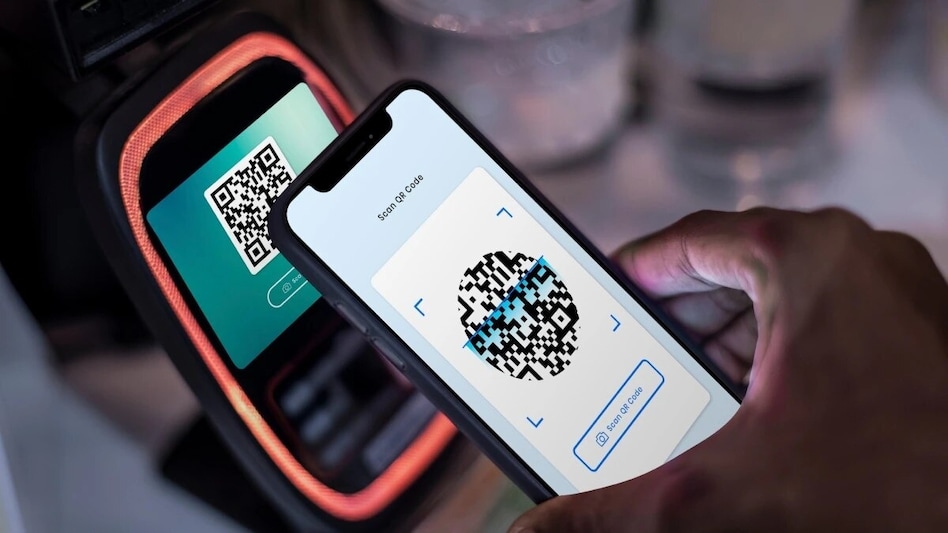
 MDR is a fee that merchants pay to banks, payment providers, and other intermediaries for processing digital payments.
India's UPI ecosystem may be nearing the end of its zero-fee era—at least for big businesses. The Centre has moved to pave the way for the return of the Merchant Discount Rate (MDR) on UPI transactions, signalling the biggest shift in India's digital payments policy since the zero-MDR regime was introduced in 2020. The move is aimed at reducing the government's subsidy burden while putting the country's booming digital payments ecosystem on a financially sustainable footing.
Government sources told Business Today that the proposal is not intended to affect individual users or small merchants. Instead, discussions have centred on levying MDR only on large merchants, including major e-commerce platforms and businesses that cross a prescribed annual turnover threshold. Small-value transactions and person-to-person UPI payments are expected to remain outside the proposed framework.

 US Judge dismisses bribery case against Gautam Adani; billionaire says 'faith in truth never wavering'
 Oil India shares jump after strong Q1 earnings; check fresh target prices
 Expired food products, cockroaches, rusty racks: Licence of Blinkit store suspended in Mumbai after inspection
 ‘Bogus crusade has come to an end’: Sonia Gandhi calls out witch hunt against Dr Manmohan Singh after CBI clean chit
 Apple Pay is coming to India by October, but without UPI support; What it means for Indian users
 IT Stocks, Smallcaps, Banks: Asit Bhandarkar On The Market's Next Move
 Air Taxis To Fly In India By 2028? Aviation Minister Backs Sarla Aviation
 Earnings Boom Or Market Trap? | IKIGAI's Pankaj Tibrewal Decodes D-Street
 Garware Technical Fibres CEO On Q1 Results, Margins, Costs & Growth Outlook
 Dhoot Transmission IPO Opens Today: All You Need To Know
 Shankesh Jewellers IPO opens on August 18; check price band, issue size & other details
 Lalithaa Jewellery Mart IPO price band announced: Issue opens on Aug 17; check key details
 HAL, BEL, Mazagon Dock shares: Top 3 defence picks; targets for BDL, Zen, PTC Industries
 Inox Wind shares in a downtrend, hit 52-week low; price targets and more
  KPR Mill shares jump over 6% in early trade; MOFSL sees limited upside
 PM Modi to Gandhis: Who's who of Indian politics attend Supriya Sule’s daughter Revati’s wedding reception
 Vivo X300 FE gets second price hike in India, now costs Rs 10,000 more; But there's a catchShankesh Jewellers IPO opens on August 18; check price band, issue size & other detailsApple Pay is coming to India by October, but without UPI support; What it means for Indian users‘Bogus crusade has come to an end’: Sonia Gandhi calls out witch hunt against Dr Manmohan Singh after CBI clean chit










