


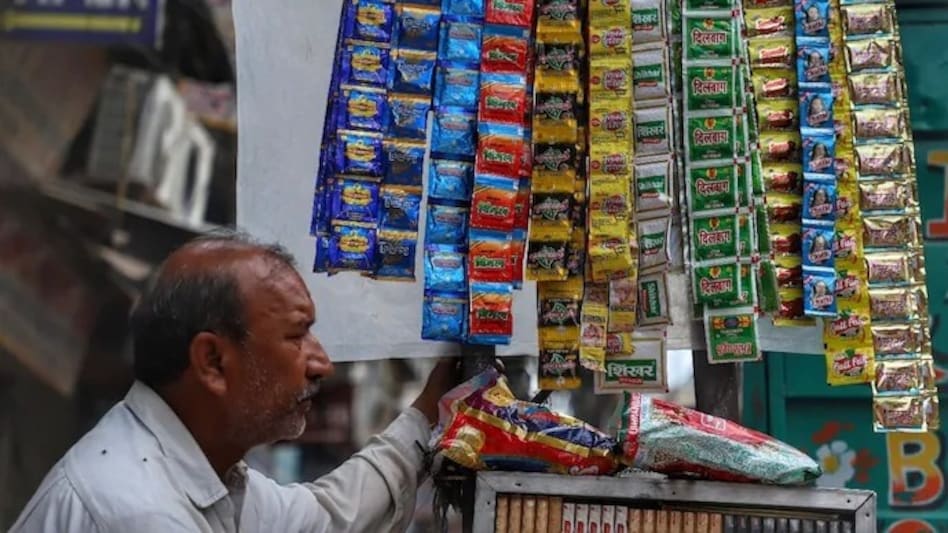
 No plastic, no metallised layers: FSSAI's new pan masala packaging rules explained
Pan masala packaging is getting a significant overhaul. The Food Safety and Standards Authority of India has introduced new regulations specifying exactly what materials can and cannot be used to package the product, and the list of prohibited options is long. Plastic in all its forms, aluminium foil and metallised layers are all out. Paper, paperboard, cellulose, tin and glass are in.
The changes were formalised through the Food Safety and Standards (Packaging) Amendment Regulations, 2026, published in the Gazette of India on August 10, and come into force from the date of publication.

 'Vietnam revised GDP by 25% in 2019': Economist explains why last year's estimate changed
 Japan Inc is betting on India’s wealthy: Why MUFG, Mizuho, Daiwa and SMBC are buying into wealth managers
 RIL share price: Stock in focus on Rs 12,500 crore bond sale report, Jio IPO update
 'Beginning first round of reductions': JLR confirms 4,000 job cuts over next 2 years
 Satya Niketan building collapse: PG owner Hariram Gupta, his wife in judicial custody; 5 MCD officials suspended
 Non-Local Electric Bus Software Is A National Security Risk, Warns Eka Mobility Chairman Sudhir Mehta
 Mounjaro Sales Surge 502%: Why GLP-1 Drugs Are Taking Over India’s Pharma Market
 Auto Stocks Outlook: Why Investors Should Be Cautious Despite New Model Launches And Strong Demand
 U.S.-Iran War, Elevated Crude Hit Indian Stocks: Can Nifty Reverse Its Downward Trajectory Now?
 Crude Oil, Gold & Silver: What’s The Next Big Move? | Kunal Shah
 Nifty, Sensex, Nifty Bank outlook for today: GIFT Nifty down 80 points; key levels to watchRIL share price: Stock in focus on Rs 12,500 crore bond sale report, Jio IPO update
 Top stocks in news: Adani Power, Deepa Jewellers, LIC, Swiggy, REC, Rays of Belief, Shiprocket, Mankind
 Tata Steel, Hindustan Copper, Lloyds Engineering shares: Expert weighs in; names top pharma, broking bets
 Adani Power secures LoI to acquire GVK Energy; details here
 'Toxic' box office collection day 13: Yash's film sees 72% drop in daily biz, 'Hanuman Ansh' eyes ₹150 crore in IndiaNifty, Sensex, Nifty Bank outlook for today: GIFT Nifty down 80 points; key levels to watchRIL share price: Stock in focus on Rs 12,500 crore bond sale report, Jio IPO update
 ICICI Prudential Life Cycle Funds NFO closes Sept 9: How the new goal-based funds workTop stocks in news: Adani Power, Deepa Jewellers, LIC, Swiggy, REC, Rays of Belief, Shiprocket, Mankind












