


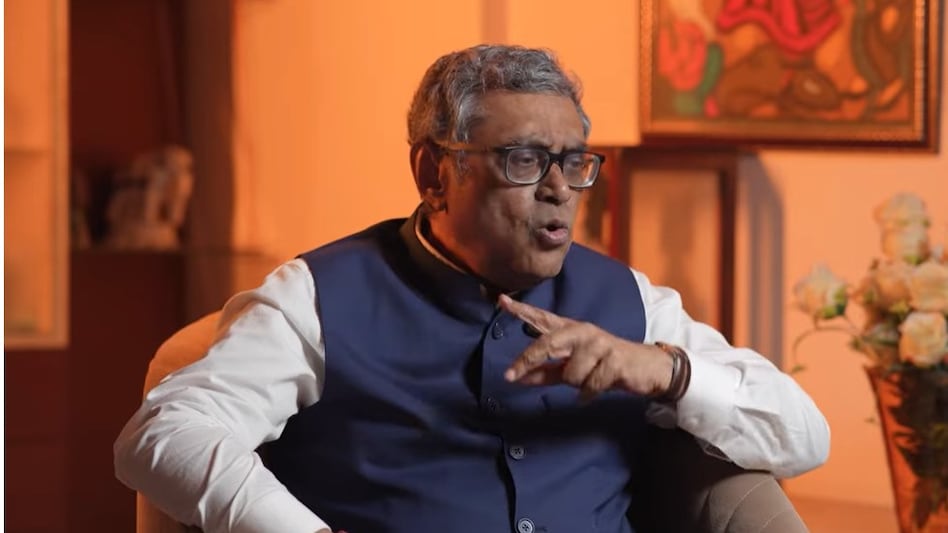
 FM Swapan Dasgupta said the state must clearly convey that it is "a pro-business government," while the people in the state must also become more accepting of entrepreneurship and private enterprise.
West Bengal Finance Minister Swapan Dasgupta has made one of his strongest pitches yet to revive the state's investment story. In a recent interview, he extended an open invitation to the Tata Group to return to Bengal, saying he was prepared to make an extraordinary gesture if it helped restore the relationship.
"I want Tata to come back... I'm willing to apologise for everything. You take a call on what you (Tatas) want to do, semiconductors or whatever, but come back. I want to put West Bengal back into the Tata ecosystem."

 I4C warns CFOs, finance teams of WhatsApp ‘Boss Scam’ using fake RBI, MCA files
 Stock market holiday: Will NSE, BSE remain closed for Raksha Bandhan?
 RBI’s ₹1,000-crore NBFC threshold: Which finance companies can now escape registration?
 741 banks on UPI: How India built the world’s biggest real-time payments ecosystem
 'You won't disappear and become a professor': Piyush Goyal invokes Jack Ma to woo Japanese investors
 Actress Taapsee Pannu Reveals Why Gandhari Is Her Most Emotional Action Film Yet
 Meta Sued for Deliberate Addiction? Alienware 16 RTX 5080 Laptop & Invisible AI Fingerprints | Tech Today
 Sugar Prices Soar: Why Ethanol Diversion Is Not To Blame | What’s Really Driving The Spike?
 Aviation Stocks: Why Air Freight May Be A Better Bet Than Airlines & Airports
 Upasana Taku On Women In Entrepreneurship, Fintech Growth And Building Resilient Businesses
 Hindustan Copper OFS: Stock falls 7%; analyst sees buying opportunity, sees strong upside coming
 Symbiotec Pharmalab IPO: Anil Satwani on ‘Symbiotec 2.0’, new growth engines; promoter, PE exit & moreStock market holiday: Will NSE, BSE remain closed for Raksha Bandhan?
 BSE, Kalyan Jewellers, Union Bank shares: Expert weighs in
 IDBI Bank shares rise 2% as lender clarifies on surge in trading volumes; details here
 SBI eyes $10 billion from NRIs, foreign investors as RBI swap window closes
 Which Indian state has the most UNESCO world heritage sites? The answer may surprise you
  From a toothbrush to cat food: This Bangkok cab driver stocks everyday essentials for passengers
 Xiaomi launches Mijia smart air purifiers 6 and 4 compact in India: Prices, features and sale date revealed
 Xi Jinping likely to visit India after 7 years for BRICS summit, may bring 400-member delegation












