


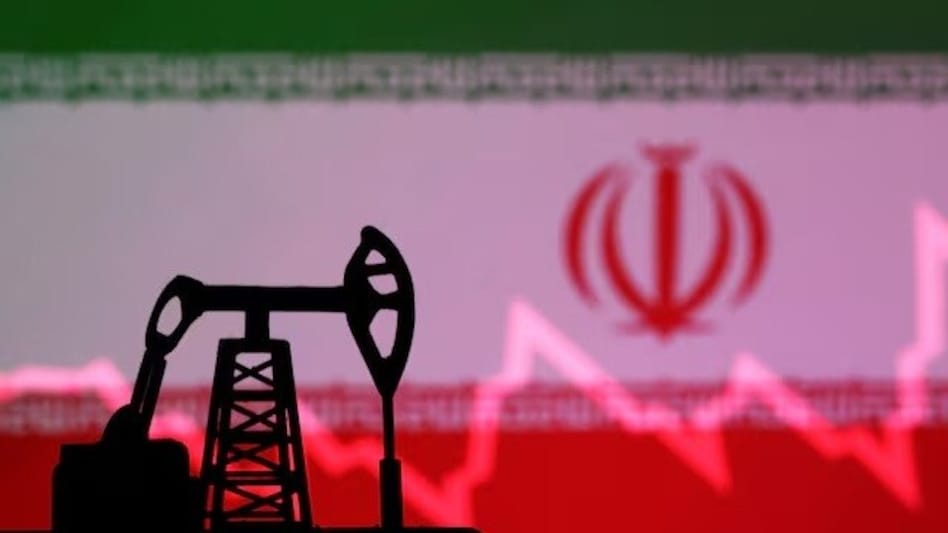
 While physical supply disruptions appear unlikely in the near term, energy markets have already begun reacting to the geopolitical uncertainty.
As geopolitical tensions rise in West Asia, particularly around the Strait of Hormuz, the Indian government does not expect any immediate energy supply crisis, thanks to strategic reserves and supply diversification options.
Government officials indicate that India currently has sufficient buffer stocks to manage short-term disruptions. Strategic reserves can support LPG and LNG demand for about 15 days, while crude oil reserves are estimated to last up to 45 days in the event of supply disturbances.

 'I wish I was 20 years younger': Sunil Mittal on India's next 20 years, recalls OneWeb pitch to Rishi Sunak
 RIL group to become India's largest conglomerate by m-cap after Jio IPO: Uday Kotak
 IDBI Bank sale to Fairfax faces union resistance, black-badge protest on October 16
 'The question was when, not if': Sunil Mittal recalls 3 'Mahabharatas' that nearly sank Bharti Airtel
 Supreme Court overturns Yes Bank’s ₹8,400 crore bond write-off, raising liability risks: Report
 Weekend OTT Releases: The Diplomat 4, Aasha, Sacrifice And More
 How Jio Transformed India From Data Scarce to Data Abundant! | Akash Ambani | Jio Platforms IPO
 Akash Ambani Decodes Jio's Financial Muscle | Reveals The 5 Key Business Drivers | Jio Platforms IPO
 From Dhirubhai’s 1977 IPO to Jio's Mega Launch | Uday Kotak Calls Jio IPO a ‘Moment in History’
 Where To Invest To Benefit From The RBI’s Rate Hike | Personal Finance | Money Today
 RIL group to become India's largest conglomerate by m-cap after Jio IPO: Uday Kotak
 Gold eyes sharp recovery; can MCX prices hit Rs 1.5 lakh? Vandana Bharti explains
 Tech Mahindra Q2 results: PAT rises 33% YoY to Rs 1,586 crore; recommends 1:1 bonus issue
 Jio Platforms IPO: How HFCL promoter Mahendra Nahata's investment could rise over 110 times
 South Indian Bank shares hit 52-week high on Q2 earnings, close higher
  IDBI Bank employees and pensioners have nothing to fear: DIPAM Secretary
  Indian consulate opens 24x7 control room in Makkah amid flight disruptions
 NDMC announces two-day closure of Central Park ahead of CJP’s Friday march
 'Doesn’t even feel like an Indian film': Ramayana's second trailer impresses fans with visuals'I wish I was 20 years younger': Sunil Mittal on India's next 20 years, recalls OneWeb pitch to Rishi Sunak












