

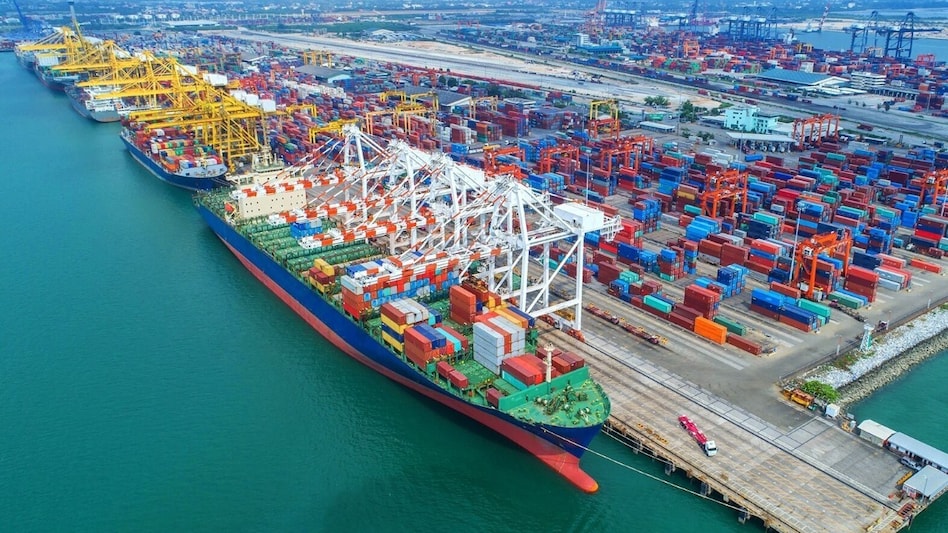
 India’s export portfolio to Mexico is diversified, led by vehicles, followed by machinery, electrical equipment, organic chemicals and aluminium.
 The Mexican government has green-lit a sweeping tariff increase of up to 50% on imports from China and several other Asian nations, including India, South Korea, Thailand and Indonesia, as part of a broader effort to bolster domestic industries ahead of the implementation date on January 1, 2026.
The tariff package, passed by Mexico’s lower house, will raise duties on a wide range of products — from automobiles and auto parts to textiles, plastics and steel — targeting countries without existing trade agreements with Mexico. The bulk of affected items will face hikes of up to 35%, with selected categories hit by the full 50% levy.
 Tata Motors, Ather, M&M, Ashok Leyland: Emkay Global sees up to 58% upside in select auto stocks
 NSE IPO subscribed 3.8x on Day 3 amid strong QIB demand; key details
 Biocon’s breast cancer biosimilar gets a positive EMA opinion; closer to launching therapy in EU
 ‘It was inappropriate…’: IIT-B apologises for earlier statement, says Director has not resigned
 Apple layoffs: iPhone maker begins fresh job cuts, second round in two months
 Tata Sons Listing Row: Shapoor Mistry Backs IPO As Noel Tata Pushes ₹25,000-Crore Plan
 Takeda, Dr. Reddy’spartner To Bring QDENGA Dengue Vaccine To India; Launch Expected In H1 2027
 Would You Really Upgrade Your iPhone Just For THIS? | The iPhone 18 Pro Debate
 IPO Rush Drains Secondary Market Liquidity; Ajay Bagga On Primary Market & NSE IPO
 Dr. Reddy's Sees Dengue Vaccine Opportunity As QDENGA Launch Nears
 Jaiprakash Power shares jump; will this strong upmove sustain?
 Protean eGov shares zoom 20% to hit upper circuit; here's what's happeningNSE IPO subscribed 3.8x on Day 3 amid strong QIB demand; key details
 AMFI rejig: IRFC, Vedanta shares may move to midcap list, SBI Funds' largecap entry likely
 Down 55% from record high, Wipro shares deliver negative returns for up to five years; looking to exit?
 Moody’s Raises India GDP Forecast Despite West Asia Risks | What’s Driving The Upgrade?
 IndiGo Raises Baggage, Infant & Priority Fees: Check New Charges Before You Fly
 Trump tariffs lose appeal among working-class voters as higher prices become a concern, says political analyst Ronald Brownstein
 Tata Sons power struggle: Who will pay for the next legal battle?
 Lava Virat Curve 5G launched in India at under Rs 25,000: Neo UI coming to Lava phones in Q4 2026












