


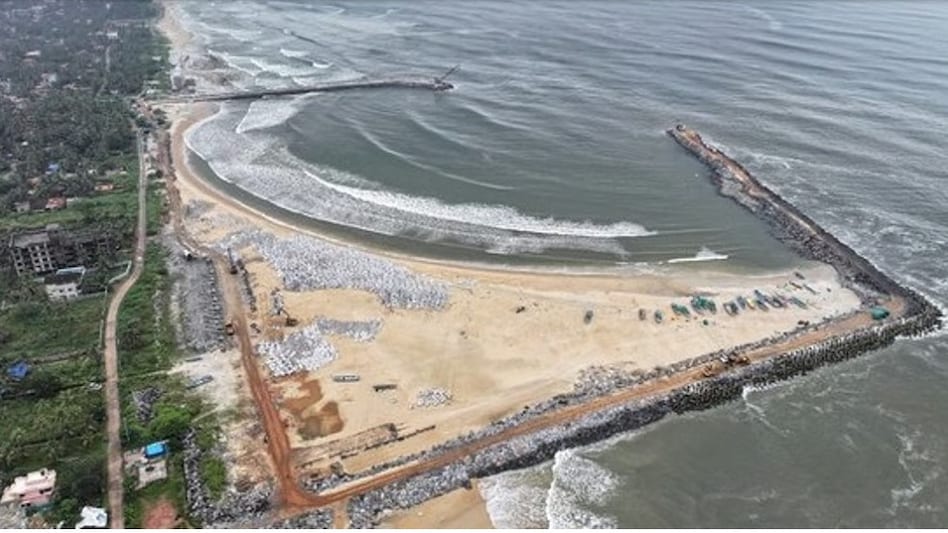
 Investment banker Sarthak Ahuja Mangaluru’s growth is being driven by a surge in Global Capability Centres (GCCs), including R&D units set up by multinational firms such as Bose Corporation.
For decades, Bengaluru has been synonymous with India’s technology boom, earning the title of the country’s Silicon Valley. But mounting infrastructure stress, rising costs, and quality-of-life concerns are now pushing both companies and professionals to look beyond the city. Increasingly, that shift is pointing toward Mangaluru -- now being dubbed India’s “Silicon Beach”.
Investment banker Sarthak Ahuja, in a recent LinkedIn post, highlighted this shift, noting that professionals are increasingly moving out of Bengaluru as Mangaluru gains traction. He pointed out that the city’s growth is being driven by a surge in Global Capability Centres (GCCs), including R&D units set up by multinational firms such as Bose Corporation, supported by government incentives like up to 40% reimbursement on R&D spending.

 Tata Trusts asks Tata Sons to explore options other than listing, says ‘Tata Model has to be saved’
 'We cannot put the cart before...': Noel Tata's argument against N Chandrasekaran's reappointment
 Tata Trusts opposes N Chandrasekaran reappointment, says board resolution is ‘legal nullity’
 N Chandrasekaran reappointed for 5 yrs as Tata Sons Chairman; board approves public listing
 Tata Sons IPO: Board approves listing on stock exchanges
 Modi @76: From Twitter To Instagram, How His Digital Outreach Has Evolved
 Stock Picks To Watch: Shibani Kurian Reveals Kotak AMC’s Market Bets
 Gold ETF vs Physical Gold: Know the Tax Rules, Charges and Key Differences
  PPF vs NPS: Tax Benefits, Returns and Lock-in Period Explained for Retirement Planning
  FDs, RDs & Savings Accounts: Why They May Not Help Build Wealth After Tax & Inflation
 Hero Motors IPO subscribed 3.37 times on Day 2; retail portion subscribed over 5 times
 NSE IPO: India's largest exchange gets 43% subscription on Day 1; NIIs, retail see strong demand
 Rentomojo shares settle maiden trade nearly 32% above IPO price; what should investors do now?
 Sensex slips, Nifty settles higher; Tata stocks gain after N Chandrasekaran reappointment
 Cochin Shipyard, KRBL, RITES, Ramky Infrastructure among stocks to turn ex-dividend on September 18
 'He needed it more': Uttarakhand man gifts new Adidas shoes to delivery partner working in rainTata Trusts asks Tata Sons to explore options other than listing, says ‘Tata Model has to be saved’
 TVS Motor updates entire premium motorcycle range ahead of festive season
 Cash payment denied at PVR INOX? Ahmedabad lawyer sends legal notice over UPI payment demand
 iPhone 18 Pro and 18 Pro Max available at Rs 64,900 on BytePe: Check details












