


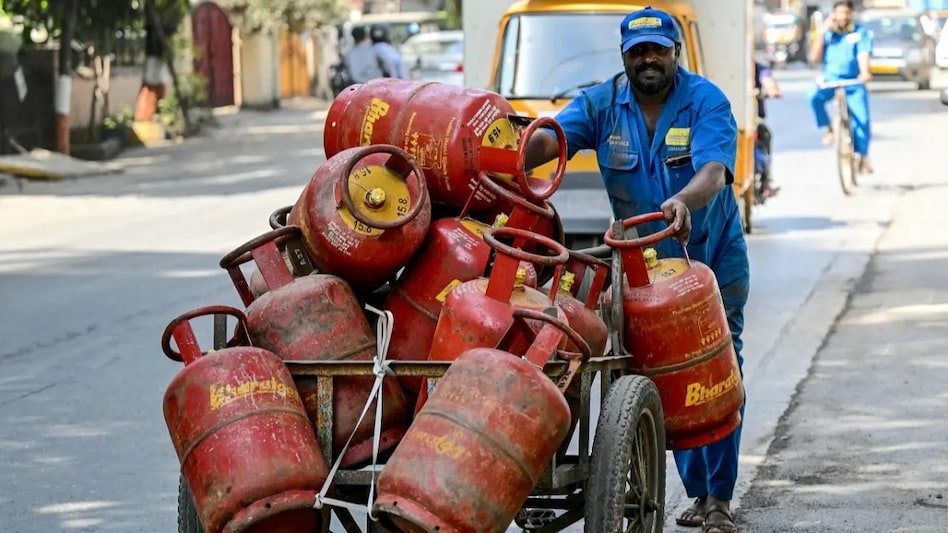
 The changes come amid pressure on LPG supplies and rising international fuel prices linked to geopolitical tensions in West Asia.
 India’s LPG distribution system is undergoing one of its biggest compliance overhauls in recent years, and for many households, the changes coming into force from May 1 could directly affect access to subsidised cooking gas cylinders.
The new rules, being rolled out by oil marketing companies and backed by the petroleum ministry, are aimed at curbing duplicate connections, diversion of subsidised cylinders and inactive accounts. But the tighter checks also mean that some consumers may find their refill requests blocked unless they complete fresh verification steps.
FAQs
What are the new LPG rules coming into force from May 1?
From May 1, oil marketing companies are expanding Aadhaar-based e-KYC for LPG consumers, especially PMUY beneficiaries. In many areas, OTP-based delivery confirmation through a Delivery Authentication Code will also become mandatory before a cylinder is handed over.
Will LPG cylinder delivery stop if Aadhaar e-KYC is not completed?
Yes, consumers whose Aadhaar authentication is incomplete may face blocked refill requests or delayed cylinder delivery until e-KYC is completed. Those who have already finished the verification earlier do not need to do it again.
Who is most at risk of losing access to subsidised LPG cylinders?
Households with incomplete or outdated KYC records are at the highest risk. Consumers flagged as inactive, PMUY users without Aadhaar verification, and homes with active PNG connections may face subsidy issues, refill restrictions, or loss of eligibility in some cases.
Why is the government tightening LPG compliance checks?
The government says the stricter rules are meant to stop duplicate connections, fake beneficiaries, and diversion of subsidised domestic cylinders into commercial use. The move also comes amid supply pressure and higher international fuel prices linked to tensions in West Asia.
What should LPG consumers do now to avoid refill problems?
Consumers should complete Aadhaar-based e-KYC with their distributor, update their registered mobile number for OTP delivery, check Aadhaar-bank account linkage for subsidy transfer, close any inactive or duplicate connections, and confirm whether their area is affected by PNG migration rules.

 Trump says the US could just decide to stay in Iran and ‘keep the oil’ like Venezuela
 ‘If it’s not under human control, it’s not worth pursuing’: Satya Nadella's warning on AI
 Anthropic sets sights on Nasdaq for potential October IPO, eyes $2 trillion valuation: Report
 Stock market holiday: Why NSE, BSE will remain closed on September 14
 Gold and silver ETFs beat equity ETFs in FY26: What investors should make of the shift
 Amit Shah Hails India’s Rise From Fragile Five To Top Five, Politics Of Performance Since 2014
 MEA Details BRICS Summit Outcomes as India Pushes Practical and People-Centric Cooperation
 Modi@25: Amit Shah Highlights 25 Years Of Leadership, Governance And 2047 Vision
 “Development And Environment Are Complementary”: PM Modi On Sustainability At BRICS
 Modi@25: Amit Shah Announces Seva Sankalp Campaign From Sept 17 To Mark Modi’s 25 Years Of Service
 Stock market holiday: Why NSE, BSE will remain closed on September 14
 Avoid jewellery; stick to ETFs, bars and coins for investment this festive season: Navneet Damani
 SEBI’s CAS proposals: Expert weighs in on new expiry-day settlement price methodology
 Large caps stocks under pressure as rising US bond yields, crude prices weigh on foreign flows
  SEBI proposes bringing unexecuted Iceberg orders into closing auction
 LPG, CNG, PNG prices today (September 14): Check latest rates in Delhi, Mumbai, Kolkata, other cities
 Petrol, diesel prices today, September 14: Check latest rates in Delhi, Mumbai, Chennai, Kolkata & more
 Hormuz at 20% capacity, diesel tops $6 in US: How West Asia's energy crisis could hit the global economy
  ‘Have to get out of the India fascination’: Bangladesh wants to reset ties, build good bilateral relationsTrump says the US could just decide to stay in Iran and ‘keep the oil’ like Venezuela












