


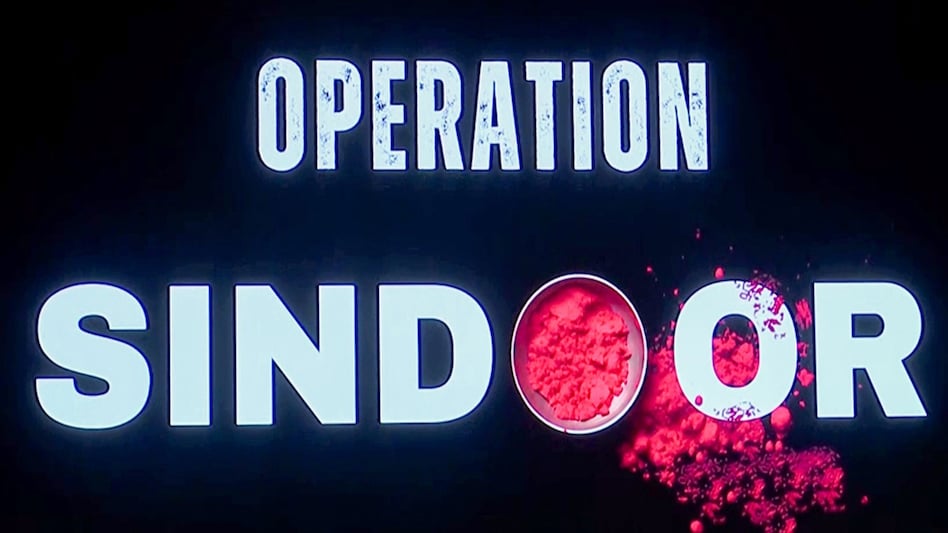
 Designed to restore deterrence without triggering a wider conflict, the operation combined military precision with strategic restraint
India’s “Operation Sindoor,” launched on the night of May 7–8, 2025, marked a swift and high-precision response to the Pahalgam terror attack on April 22 that killed 26 civilians in the heart of the Kashmir valley.
Designed to restore deterrence without triggering a wider conflict, the operation combined military precision with strategic restraint. Officials described it as a targeted strike on terror infrastructure, carefully avoiding escalation while sending a clear message to Pakistan-based groups.

 Airport security upgrade: Why your mangalsutra or janeu won’t trigger scanner alarms anymore
 Rupee near 97: Rupee faces multi-front pressure; SBI Research calls for immediate protective measures
 IPO boom: 69 Indian companies raise Rs 90,500 crore in Q3 despite stock market sell-off; what's next
 Vedanta wants to boost crude output from Rajasthan oil fields; plans $200 million investment: Report
 Climate shock: Europe faces $128 billion heatwave hit in 2026; India stares at $50 billion El Niño impact
 Bond Investing For Beginners: How To Choose, Check Ratings, Returns & Manage Risk
 Flexi-Cap Funds: How Much Does the Fund Manager’s Strategy Really Matter?
 Diwali 2026 Gold Price Outlook | Expert Price Targets Revealed | Massive Gold Price Prediction
 Flexi Cap, Midcap Or Smallcap? Dinshaw Irani On Mutual Fund Strategy
 Oral GLP-1 Drugs: Novo Nordisk, Eli Lilly Eye India Launch In 2027 | Pharma Stocks In Focus
 IPO boom: 69 Indian companies raise Rs 90,500 crore in Q3 despite stock market sell-off; what's next
 TCS, Infosys, HCL Tech, TechM, Wipro, LTM, Coforge, HEXT: Fresh target, Q2 previews for IT stocks
 Carlsberg India IPO: SEBI approves confidential filing; beer maker moves closer to listing
 Suzlon, KPIT Tech, RIL, IRFC, HDFC Bank, Infy: 56% Nifty500 stocks in bear grip amid market sell-off
 Hindalco terminates AluChem acquisition deal after extended delays; alumina strategy unchanged
 Fuel woes: US presses Europe for emergency diesel stocks, Macron warns against trade export bans
 Nike restructuring plan: World's largest footwear major announces job cuts, targets $2.5 billion savings
 'Fat Dogs of Delhi' crown: Hauz Khas's Gola defeats Googoo by 39,904 'Paws'itive votes
 Want to watch Ajay Devgn's 'Drishyam The Conclusion' first? Theatres across cities open midnight, 1 am, 2 am shows
 How did Mahatma Gandhi become the face of Indian currency? Here’s the history












