

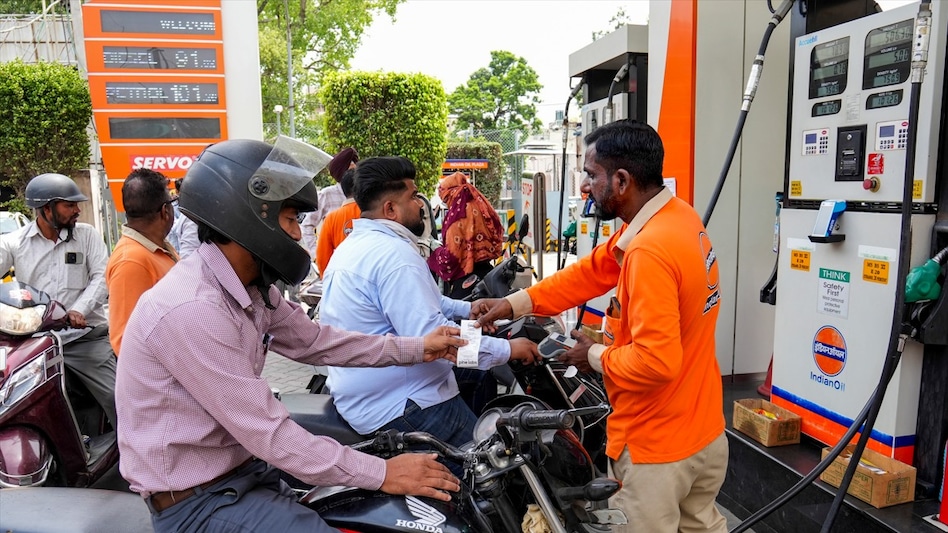
 Petrol, diesel price: Fuel rates expected to be gradually increased
Fuel price hike: Petrol and diesel prices that have been increased twice within a span of week, might be increased further. However, this increase will be gradual, said sources to Business Today TV.
Sources said that further price hikes have not been ruled out because oil companies need to recover the losses of the past 75 days. Average loss of oil companies
 ‘An Indian consumes 1/10th of an average American’: Amb Kwatra says energy security comes first
 Tata stock to buy: Nuvama bets on unique tech-telecom play, sees 28% upside
  IndiGo shares in focus as baggage, infant fee, priority boarding charges likely raised
 El Nino impact? India headed for driest monsoon since 2009, food inflation fears rise: Report
 LPG, CNG, PNG prices today (September 18): Check latest rates in Delhi, Mumbai, Kolkata, other cities
 Corporate Health Insurance Vs Retail Policy: Why You Need Personal Health Cover Too
 How India Changed In 12 Years: PM Modi’s Journey From Economic Reforms To Viksit Bharat
 Modi @76: From Twitter To Instagram, How His Digital Outreach Has Evolved
 Stock Picks To Watch: Shibani Kurian Reveals Kotak AMC’s Market Bets
 Gold ETF vs Physical Gold: Know the Tax Rules, Charges and Key Differences
 Oil prices: Red lines crossed? No baseline view, JPMorgan sees $90 fair value
 Top stocks in news: Tata stocks, BEL, Wipro, Veegaland, IndiGo, Skyways Air, PB Fintech, PTC IndiaTata stock to buy: Nuvama bets on unique tech-telecom play, sees 28% upside IndiGo shares in focus as baggage, infant fee, priority boarding charges likely raised
 Hero Motors IPO subscribed 3.37 times on Day 2; retail portion subscribed over 5 timesOil prices: Red lines crossed? No baseline view, JPMorgan sees $90 fair value‘An Indian consumes 1/10th of an average American’: Amb Kwatra says energy security comes firstTop stocks in news: Tata stocks, BEL, Wipro, Veegaland, IndiGo, Skyways Air, PB Fintech, PTC IndiaTata stock to buy: Nuvama bets on unique tech-telecom play, sees 28% upside LPG, CNG, PNG prices today (September 18): Check latest rates in Delhi, Mumbai, Kolkata, other cities












