


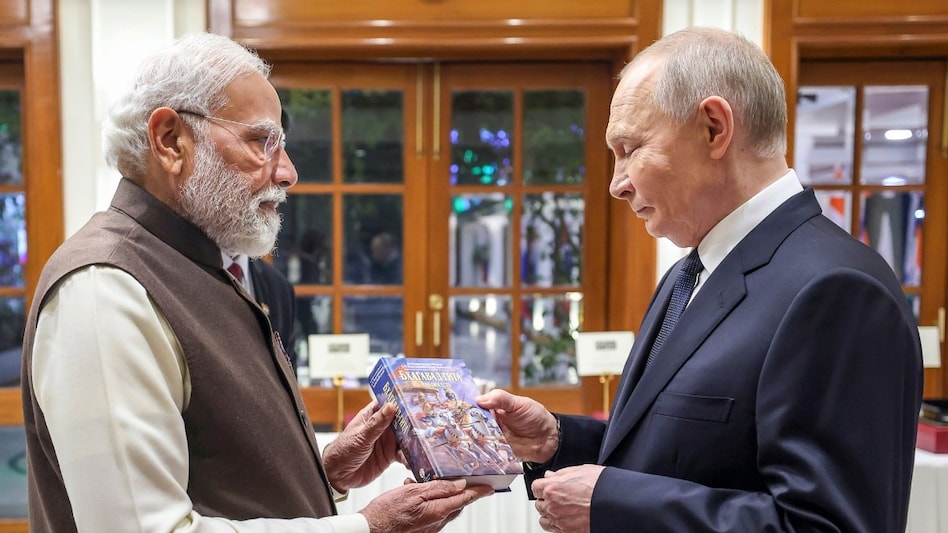
 Putin ratifies intergovernmental agreement with India
Russian President Vladimir Putin has ratified an intergovernmental agreement with India, setting out procedures for the deployment of military formations, warships, and military aircraft between the two countries. The Reciprocal Exchange of Logistics Agreement (RELOS) has been officially published on Russia's legal acts website.
The agreement establishes a framework for the movement and deployment of military formations, the docking of warships in each other's ports, and the use of airspace and airfield infrastructure by military aircraft from both nations. It covers logistical support during joint exercises, training, humanitarian assistance, disaster relief, and other mutually agreed activities.

 ICAI working out assurance standards for sustainability reporting by India Inc
 West Asia tensions: Iran hands 7 terms to US via Qatar, warns of all-out war if Trump rejects deal
 Tata Trusts hires Abhishek Manu Singhvi as advocate. His first reaction: 'Having worked with Ratan Tata...'
 Moscow targeted in 'largest ever' barrage as 1,100 Ukrainian drones strike Russia
 Saudi Arabia exits China-backed mBridge platform amid governance and compliance concerns
 Gold Price Target 2026: Expert Sees MCX Gold At ₹1.8 Lakh By Year-End Amid Strong Demand
 Health Insurance: Why Pre-Existing Diseases And Waiting Periods Matter For Buyers
 Crude Oil Above $100: How High Energy Prices And Rupee Weakness Impact Gold Prices In India
 CEA On India’s Manufacturing Rise, Atmanirbhar Bharat And Modi’s Economic Policy
 Health Insurance Buying Guide: 7 Things First-Time Buyers Must Check Before Choosing A Policy
 SpaceX weight in Nasdaq 100 to jump to 2.82% following quarterly index rebalance: Report
 Tata Motors or Ashok Leyland? Analyst reveals his preferred auto stock for near-term gains
 Maharashtra Scooters, Dixon Tech, Bharat Dynamics, Jai Corp among stocks to turn ex-dividend on Monday
 Jindal Supreme, SS Retail, Hero Motors IPOs subscribed up to 181 times on final day; details here
 Sensex, Nifty post sixth weekly loss; TCS, Titan among top laggards, slip up to 4%
 3-day bank strike from September 28: SBI asks customers to complete key transactions early
 'Modi admin has done a phenomenal job': Blackstone's Jon Gray on what changed in India
 'Even with flight, it's cheaper': Indians fly to Dubai just to buy iPhone 18 Pro
  From air hostess training to a 12-tonne truck: How 25-year-old Neha Thakur became Himachal Pradesh’s first woman truck driver
 Study finds higher rates of chronic disorders among vaccinated children












