


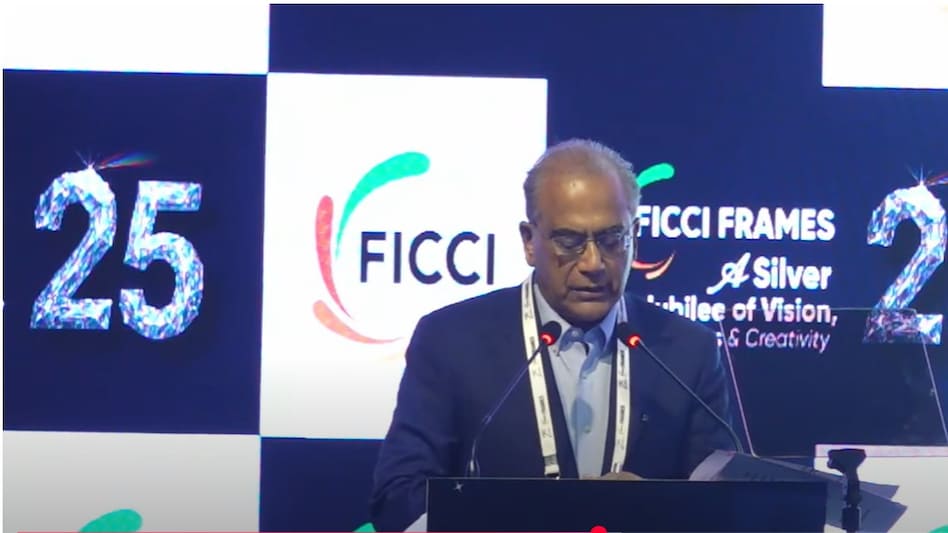
 Aroon Purie, Founding Chairman and Editor-in-Chief of India Today Group
The entry of billionaire-run news channels, and the pressures of balance sheets and sales targets have shrunk the space for dissent more than the jackboot of state censorship, Aroon Purie, Founding Chairman and Editor-in-Chief of India Today Group said at the FICCI Frames 2025 summit on Tuesday.
“The space for dissent is shrinking not because of the jackboot of censor but because of balance sheets and ad sales targets. And today, the problem has taken another form—the advent of billionaire news channels,” he said.

 GLP-1 market may be smaller than expected, says Lupin; plans next wave of weight-loss drugs
 Purple Style Labs IPO opens on August 31; check dates, lot size, investors & other key details
 Meta teen addiction trial: Instagram head says few teens knew safety tools; States to explore settlement
 Gaja Alternative Asset Management shares make a decent market debut; stock lists at 16% premium
  Trump admin pauses US visa appointments globally: Indian students, workers to face delays in getting interview slots
 Trump Moves To Make H-1B Visa Fee Permanent And Higher: What It Means For Indians
 Market Rally Vs Geopolitical Risk: What Wins From Here? Aditya Agarwal
 Daily Calls: Ask Your STOCK MARKET TODAY QUERIES | Market Update | Share Market News Today
 Symbiotec Pharmalab IPO | Top Management On Growth Plans, Business Outlook & IPO Strategy
 Chennai Second Airport Halted: Parandur Project Faces Wetland Concerns & Political Storm
 Aravalli helicopter engine: HAL shares react as defence PSU signs contract with Safran
 HAL, BEL, BDL, Mazagon Dock, Paras Defence, Astra Micro, Data Patterns: Share price targets
 Gujarat Pipavav shares surge 6% after Gujarat Maritime Board update; key details
 Jana Small Finance shares extend fall amid Federal Bank merger buzz; clarification issuedPurple Style Labs IPO opens on August 31; check dates, lot size, investors & other key details
 'India has made incredible progress, but...': Austrian entrepreneur lists what got worse
 UPI and MDR: Can selective charges sustain India’s digital payments ecosystem?Aravalli helicopter engine: HAL shares react as defence PSU signs contract with Safran
 Sam Altman wants AI to have its ‘iPhone moment’; Here’s what it needs to learn from Apple
 OpenAI loses another executive: Chris Malone, head of data centres exits amid executive shake-up












