


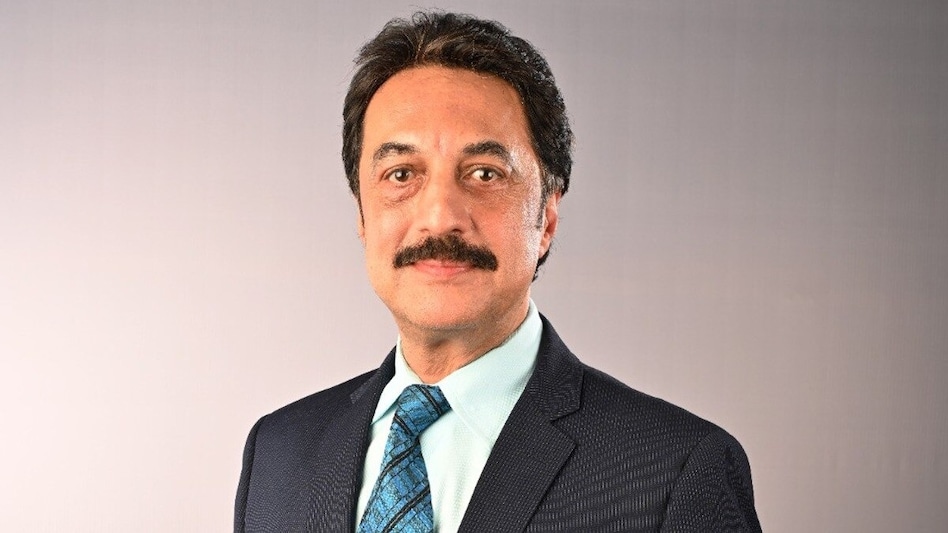
 Shankar Sharma warns of 'stockmarketification' as direct tax mop-up falters by nearly 4%
Noted investor Shankar Sharma on Tuesday flagged what he called the "Stockmarketification" of India's fiscal math after net direct tax collections fell 3.95% year-on-year to ₹6.64 lakh crore so far in FY26.
"I said repeatedly since Union Budget in Feb, that, while the Govt has done amazing things for the economy, the only seriously worrying thing is the 'Stockmarketification' of our National Fisc. My rough estimates are that around ₹5–6 lakh crore was budgeted for FY26 from cap gains + STT + dividend tax. That looks in jeopardy. Given probable higher defence spend, capex nos of ₹11 lakh crore could be in jeopardy too, if fiscal deficit has to be met,” Sharma said in a post on X.

 A new engine for India's growth? Private investment finally picks up pace
 Insolvency and the law: Subhash Chandra case raises wider questions about IBC
 New Apple CEO says 'hello' on X and gets 2.6 million+ views
 'NCLT order rightly stayed': Subhash Chandra personal guarantee issue back to the drawing board
 Rajiv Kumar pushed for changes at HDFC Bank; Sashidhar Jagdishan chose to step down: Report
  Kotak’s Mid Cap & Flexi Cap Strategy: Where Should Investors Bet Now?
 India GDP Growth At 7.8%: What It Means For The Economy, Markets & You
 Sugar Stocks Under Pressure | Govt Tightens Dealer Stock Limits Till Nov 30
 Market Commentary: Where Is The Next Big Opportunity? | Asit Bhandarkar
 Daily Calls: Ask Your STOCK MARKET TODAY QUERIES | Market Update | Share Market News Today
 Tata Tech, NCC, Data Patterns, eMudhra shares: Expert shares technical view, targets
 NTPC, GAIL, Gujarat Pipavav, TBZ, Triveni Turbine among 13 stocks to turn ex-dividend tomorrow
 Happiest Minds shares dive 11% to near listing price; ITC Infotech merger plan in focus: Buy, sell or hold?
 Happiest Minds stock crash: Buying opportunity after 11% fall? Analyst says this
  More pain likely on HDFC Bank counter, stock may fall to Rs 650 mark, says analyst
  88 stocks, 57.9% active share: How Edelweiss Large & Mid Cap Fund is positioning for the next market cycle
 Axis Bank revises FD rates for NRIs: Comparing NRI fixed deposits vs NRI fixed deposits plus
 No cash, no problem? UPI is now accepted in 11 countries: Check where you can pay
 How different assets are taxed: A look at capital gains rules across investments
 Axis Bank UPI update: You can now set separate limits for P2P, domestic and international payments












