


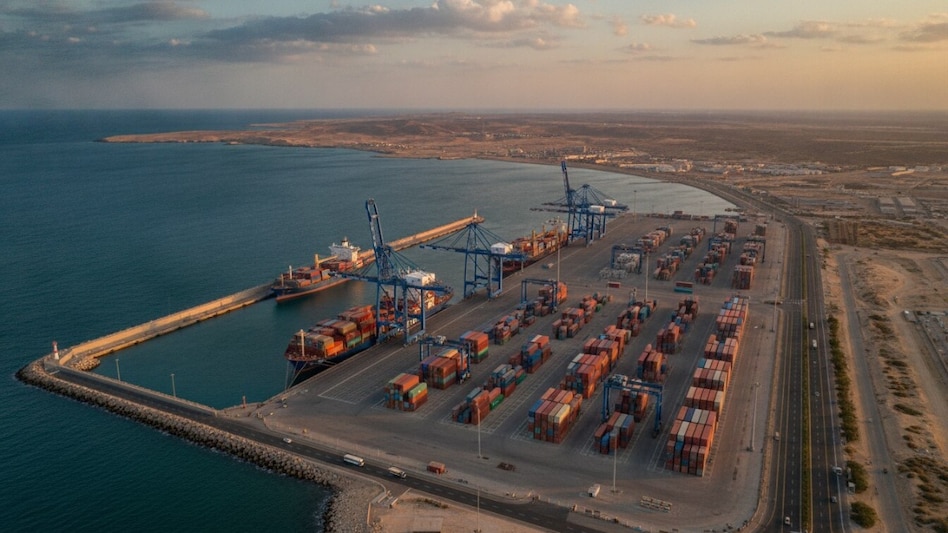
 Why should India care about the Chabahar Port in Iran? (Representative image)
The US appears to have continued its strikes on Chabahar Port, a key trade route for Afghanistan. US defence secretary Pete Hegseth shared a photo of a tower appearing to collapse after a strike.
According to a report in the Associated Press, the photo is of the Chabahar Port tower, even as Hegseth did not attribute it so.

 Noel Tata’s Tata Group power play: How the trusts, family & next generation shape its future
 'Respect Chandrasekaran's decision': Tata Trusts begin process to pick new Tata Sons chairman
 How much compensation can injured Delhi-Phuket Air India passengers get? ₹1.8 crore? It all hinges on ‘accident’ or ‘serious incident’ classification
 Tata Sons Chairman succession: How will N Chandrasekaran’s successor be selected?
 License suspension, more random tests: Tougher dope-test rules on cards after Air India pilot tests positive
 Wockhardt’s Profit Returns As Novel Antibiotic Business Gains Momentum
 6 Business & Leadership Rules Every Leader Can Learn From N Chandrasekaran
 Kiren Rijiju Slams Opposition Over Parliament Disruptions, Says Debate Avoided Despite Govt Offer
 Pune's Chakan Industrial Crisis: 20 Industries Consider Relocation Over Bad Roads
 From Fan Club To Backlash: Why Trump's Indian Fans Are Turning Against Him Over Russian Oil & Tariff
 This Tata Group stock hits 52-week high; stock zooms 63% in six months; do you own?
 Helios Capital's Dinshaw Irani on why he prefers midcap IT stocks over largecaps
 Trent, Titan, Nelco, IHCL: Top 14 Tata Group stocks rally upto 18x under N Chandrasekaran
 Trent: Amid falling FII stake, Tata Group multibagger up 38% from March low; price targets
 Mishra Dhatu Nigam shares zoom 12% to hit 52-week high; here is why
 Before his Tata exit, N Chandrasekaran shared 6 lessons on AI, ambition, change and leadershipThis Tata Group stock hits 52-week high; stock zooms 63% in six months; do you own?
 India wants to secure more LPG from the US under annual contracts for 2027: ReportHow much compensation can injured Delhi-Phuket Air India passengers get? ₹1.8 crore? It all hinges on ‘accident’ or ‘serious incident’ classificationHelios Capital's Dinshaw Irani on why he prefers midcap IT stocks over largecaps










