


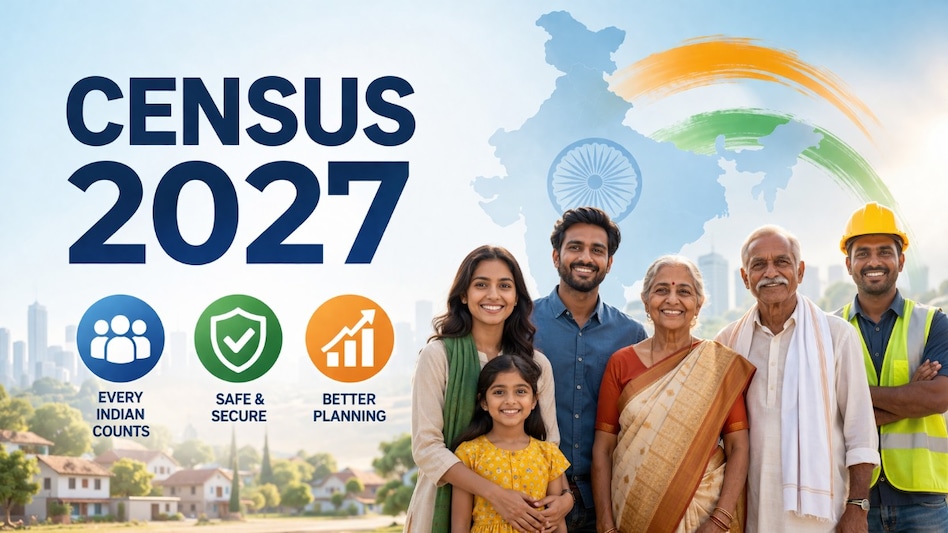
 India's first digital Census 2027
India has kicked off preparations for its first full-scale digital census, marking a major shift in how population data is collected. After a long gap since the last exercise, Census 2027 is set to combine traditional door-to-door surveys with a new self-enumeration system, bringing technology into the world's largest data-gathering operation.
The first phase began on April 1, 2026, with housing data collection and digital self-enumeration rolled out in stages across states and Union Territories.

 'Don't break it': Trump announces immediate 'energy ceasefire' between Russia and Ukraine
 UPI MDR should be cut from 0.4% to 0.08%: IIT-Bombay report proposes new fee structure
 Hyderabad man injured in Saturday's Riyadh airport attack dies, two sons injured
 How Elon Musk's Starlink could interfere with sovereign nations. Ukraine war reveals the risks
 Riyadh International Airport on fire after second missile strike in two days
 REITs & AI Boom: Can Data Centres And AI-Ready Offices Drive Future Real Estate Growth?
 Should You SIP In REITs During A Market Downturn? Key Risks & Asset Allocation Explained
 REIT Returns Explained: Income, Capital Gains & Risks Investors Need To Know
 REIT Risks Explained: Key Factors Investors Must Check Before Investing In Commercial Real Estate
 Will IRDAI’s Broker Commission Crackdown Make Insurance Cheaper For Consumers?
 BT Market Outlook: The drivers, risks and opportunities for the week ahead
 Market on the back foot, opportunities ahead: where should investors put their money?
 Poonawalla Fincorp Q2 earnings: Net profit zooms 405%, NII at Rs 1,589 crore
  Vedanta, TCS shares to turn ex-dividend; Ola rights issue; 2 stock splits next week
 IPO rush: Rs 50,000 crore worth IPOs to hit Street by Diwali; Jio, Avada to lead fundraise
 China’s battery profit boom exposes India’s toughest EV manufacturing challenge: Why it mattersHyderabad man injured in Saturday's Riyadh airport attack dies, two sons injured'Don't break it': Trump announces immediate 'energy ceasefire' between Russia and UkraineRiyadh International Airport on fire after second missile strike in two days
 Indian pharma leaders seek faster trials, state-backed market for new drugs












