


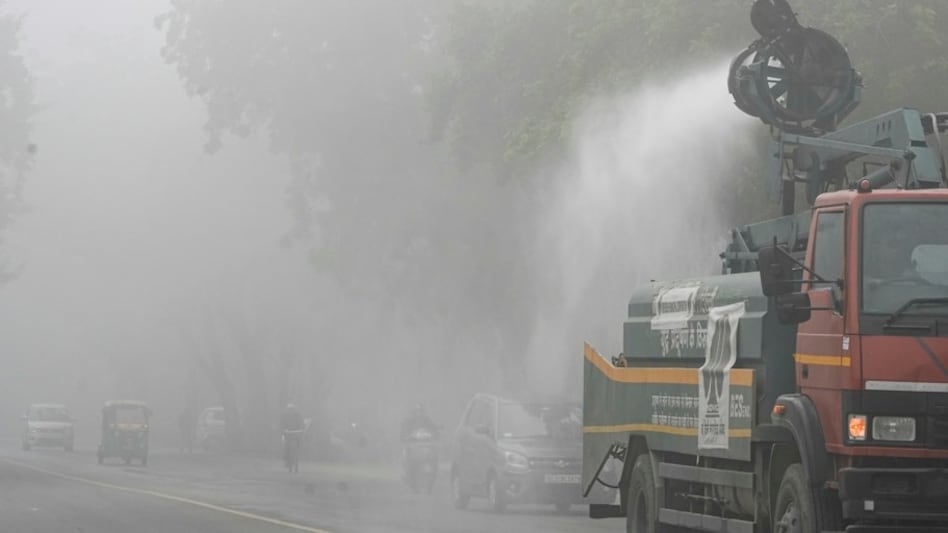
 The BS-VI emission norms were implemented in India from April 1, 2020.
Like every winter, Delhi’s air quality has worsened this year, too. While it has become a ritual for the government to ban diesel-powered vehicles that don’t meet the Bharat Stage VI (BS-VI) emission norms, this time the authorities have gone a step further by banning the entry of non-BS-VI petrol vehicles as well.
“Any vehicle coming to Delhi from outside should not be less than BS-VI. If any vehicle is less than BS-VI, it will be seized. We will take more stringent measures in the coming days if needed,” Delhi's Environment Minister Manjinder Sirsa said on December 18.

 Xi Jinping likely to visit India after 7 years for BRICS summit, may bring 400-member delegation
 Bitcoin price today: BTC crosses $80,000 for first time since May, rises 25% in week; what's driving it
 Stock market holiday: Will NSE, BSE remain closed for Raksha Bandhan?
 Did you know India’s cash demand is strong despite the digital payment boom?
 Onion prices soaring: Centre to sell onions at ₹35/kg, sends Kanda Express to boost supply
 Sugar Prices Hit ₹65/Kg: Consumer & Trader Pain Sparks Political Row Ahead Of Festive Season
 Gold Stocks, Jewellery Shares In Focus Ahead Of Festive Season | Expert Reveals Top Picks
 TCS-Porsche Deal: ₹11,000 Crore Partnership Boosts AI, Auto-Tech & European Expansion
 Reliance Enters Aluminum Business: Why Heavy CapEx Could Keep RIL Stock Under Pressure For 2 Years
 Actress Taapsee Pannu Reveals Why Gandhari Is Her Most Emotional Action Film Yet
 Nykaa shares: Elara Capital hikes target price; sees 43% upside potential
 Crompton Greaves shares: Brokerage sees 67% upside potential; check target price
 Dixon Tech, Amber Enterprises: Will they benefit from MPMS? Kotak shares views
 Vodafone Idea, Paradeep Phosphates, Hindustan Copper shares: What expert says
 Defence stock to buy for 20% upside, a play on defence electronics upcycleSugar Prices Hit ₹65/Kg: Consumer & Trader Pain Sparks Political Row Ahead Of Festive SeasonGold Stocks, Jewellery Shares In Focus Ahead Of Festive Season | Expert Reveals Top Picks
 Festival travel alert: Railways announces extra trains between Delhi, MP and RajasthanTCS-Porsche Deal: ₹11,000 Crore Partnership Boosts AI, Auto-Tech & European ExpansionNykaa shares: Elara Capital hikes target price; sees 43% upside potential












