


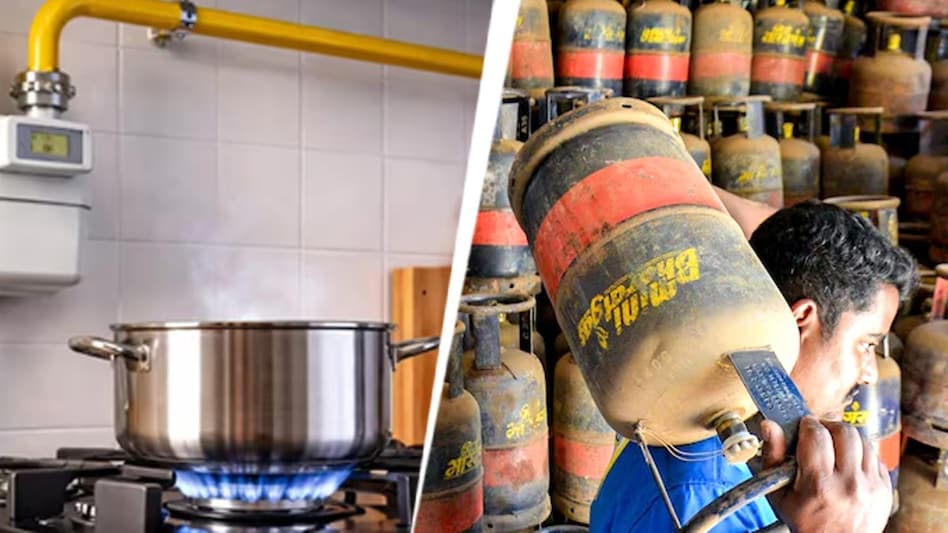
 Like every month, oil marketing companies are expected to revise the prices of commercial and domestic LPG cylinders on July 1.
State-run oil marketing companies (OMCs) are considering a move to expand the use of lightweight 10‑kg LPG cylinders beyond domestic users, with the containers likely to be sold at commercial LPG rates if approved.
The smaller cylinders made from advanced high-density polyethylene (HDPE) composite technology are already available to domestic customers under different brand names, including HPCL’s HP Gas Ojas, IndianOil’s Indane Xtralight and BPCL’s Bharatgas Lite.

 ‘Next financial crisis may not start in a bank’: Sanjay Malhotra flags new systemic risks amid global shocks
 Nayara Energy hikes fuel prices: Petrol up Rs 5, diesel Rs 3 amid crude, retail fuel losses
 'US took 100 years, India needs just one decade to develop': Nara Lokesh at Pan-IIT AP Summit 2026
 'Very big potential for economic cooperation': Putin proposes new India-Russia trade routes amid Hormuz fears
 Beyond chatbots: Tavus's Griffin model passes video Turing test with 48% human success rate
 Is Now the Best Time to Invest in Bonds? RBI Rate Hike Impact Explained
 Bond Laddering Explained: How To Manage Interest Rate Risk & Keep Your Money Flexible
 Market Correction: Which Sectors Could Hold Up as Global Risks Pressure Indian Stocks?
 5-10 Year Wealth Creation: How Should Investors Build Their Long-Term Portfolio?
 How Much Should You Invest In Bonds At Different Stages Of Life? 20/60 Investing Rule Explained
 Stock market sell-off: Nifty, Sensex log 8th straight weekly loss; key levels & top triggers now
 IPO boom: 69 Indian companies raise Rs 90,500 crore in Q3 despite stock market sell-off; what's next
 TCS, Infosys, HCL Tech, TechM, Wipro, LTM, Coforge, HEXT: Fresh target, Q2 previews for IT stocks
 Carlsberg India IPO: SEBI approves confidential filing; beer maker moves closer to listing
 Suzlon, KPIT Tech, RIL, IRFC, HDFC Bank, Infy: 56% Nifty500 stocks in bear grip amid market sell-off
 ‘Big relief’ for online gaming: Sanjit Bangar flags sharp GST demand cuts, no director penalties
 Captain Smit Machchhar hailed as 'Captain courageous': Shah Rukh Khan, Ranveer Singh and Bollywood stars praise pilotIs Now the Best Time to Invest in Bonds? RBI Rate Hike Impact Explained
 Nvidia-branded trailers stolen in California, thieves discover 20 tons of sand instead AI hardware
 FM Sitharaman: Need to keep building resilience, not a one time exercise












