


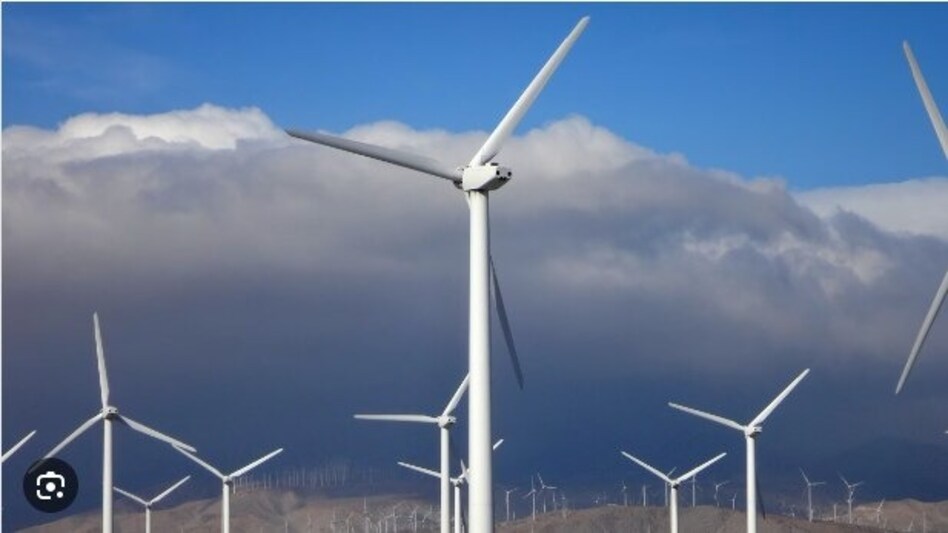
 Despite there being a national policy since 2015, a decade of support from expert organisations and generous subsidies, India has not been able to harness its offshore wind power potential
As India takes second stab at offshore wind projects after the initial unsuccessful attempt, the government must de-risk initial projects with more favourable tender designs while rapidly developing transmission infrastructure and ramping up supply chains for the offshore foray, said an analysis by Ember, a not-for-profit energy think tank.
It said to truly kickstart offshore wind energy generation in India, the government’s approach must evolve, building on early groundwork through a blend of domestic innovation and global best practices.

 LIC emerges as biggest bidder in NSE IPO, applies for shares worth Rs 4,500 crore: Report
 NSE IPO listing on September 24: How 5 largest IPOs fared on market debuts
 UPI MDR GST: NPCI says small merchants and 96% of transactions remain unaffected from October 15
 BT Big Story: How the FCNR(B) deluge has created two new problems for the RBI
  OpenAI warns of autonomous AI risks, calls for global rules before AI starts improving itself
 Oil & Gas Capex Boom: Anshul Saigal Names Energy Stock He Owns | Saigal Capital Advisors
 Small Caps Too Expensive? Anshul Saigal On Valuations, Earnings & Upside
 Markets Going Nowhere? Anshul Saigal On The Opportunity For Stock Pickers
 IIT Bombay Protest: Rajkumar Pant On Student Demands, Professor Suspension And Campus Row
 Is Microsoft India Evaluating More Data Centres To Scale AI Infrastructure?
 Sansera Engineering shares rise 7%; Goldman Sachs raises target; sees further upside
 US-Iran talks today? Oil slips to $98 a barrel; will Sensex, Nifty rebound?
  Borosil Renewables shares rise 3% as board approves revised Rs 1,100 crore expansion cost
 L&T, DRL, Vijaya Diagnostic, M&M Financial: Buy, Hold or Sell? Here are target prices
 HAL, BEL, BDL, BEML: Defence stocks to buy for 13-24% upside
 Beyond obesity drugs: Ozempic maker Novo Nordisk sees hair loss as potential new marketSansera Engineering shares rise 7%; Goldman Sachs raises target; sees further upside
 India among strongest growth outlooks as global economy stabilises, WEF chief economists sayOil & Gas Capex Boom: Anshul Saigal Names Energy Stock He Owns | Saigal Capital AdvisorsSmall Caps Too Expensive? Anshul Saigal On Valuations, Earnings & Upside












