


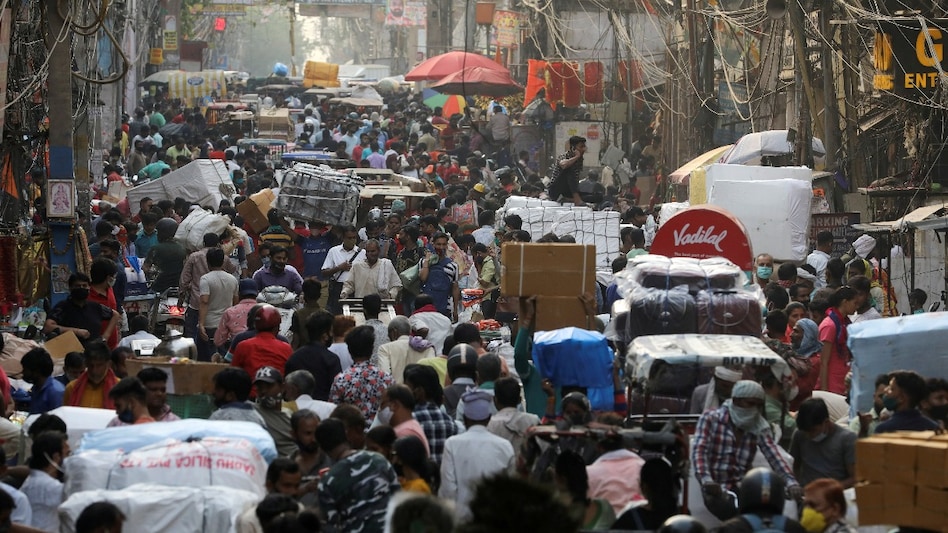
 Millions of jobs in India could be impacted by extreme heat, says World Bank
Extreme heat is emerging as one of the biggest risks to jobs and productivity across South Asia, with India expected to bear a significant share of the economic burden as rising temperatures reduce workers' ability to perform outdoor and physically demanding tasks, according to a World Bank report.
As per World Bank's recent report, 'A Livable Future: A New Climate Reality for South Asian Cities', heat affects the economy through two channels: directly by slowing workers, making them sick and reducing earnings, and indirectly by disrupting the infrastructure that enables economic activity, including electricity, transport and buildings.

 Will the July 31 ITR deadline be extended? Everything salaried taxpayers need to know
 After PM Modi's Facebook video removal, Meta India head faces FIR over AI-generated videos
 Indian passport rules clarified: Passport is not conclusive citizenship proof; Centre explains eligibility
 FIIs on a buying spree for three days: Analyst decodes renewed interest
  ITR filing 2026 deadline today: Can freelancers report income as business income? What you need to know
 Should You Choose Mutual Funds Based On Expense Ratio? Pooja Bhinde Explains
 What Is The Best Age To Buy Term Insurance? Here's Why Buying Early Can Save You More
 Q1 Earnings Show Slow Growth, But Devarsh Vakil Expects Stronger Recovery Ahead For Markets
 India Market Outlook: FII Flows May Fuel Large Cap Rally As Global Money Returns To Indian Markets
 Kia Syros EV First Drive Review | 526 KM Range, Premium Cabin | Better Than Tata Nexon EV?
 FIIs on a buying spree for three days: Analyst decodes renewed interest
  63 Moons shares rally 11%, take 6-day rise to 34%; MOFSL gives positional Buy call
 Record DII inflows offset $58 billion FII selloff: Top sectors revealed
 After 10x rally in 3 years, multibagger defence & AI stock in bear grip; should you buy?
 Thangamayil Jewellery shares slide 27% in three days even as Q1 profit rises 86% YoYFIIs on a buying spree for three days: Analyst decodes renewed interest
  Has Shehzad Poonawalla quit the BJP? His social media activity fuels speculation
 Gold, silver prices today: Delhi, Mumbai, Chennai, Hyderabad, Kolkata rates; MCX gold at ₹1.42 lakh
 Apple could put Siri AI behind a paywall, but not for everyone; All you need to knowIndian passport rules clarified: Passport is not conclusive citizenship proof; Centre explains eligibility










