


 Digital professionals stood out for placing the highest emphasis on compensation, with 73% prioritising competitive salaries.
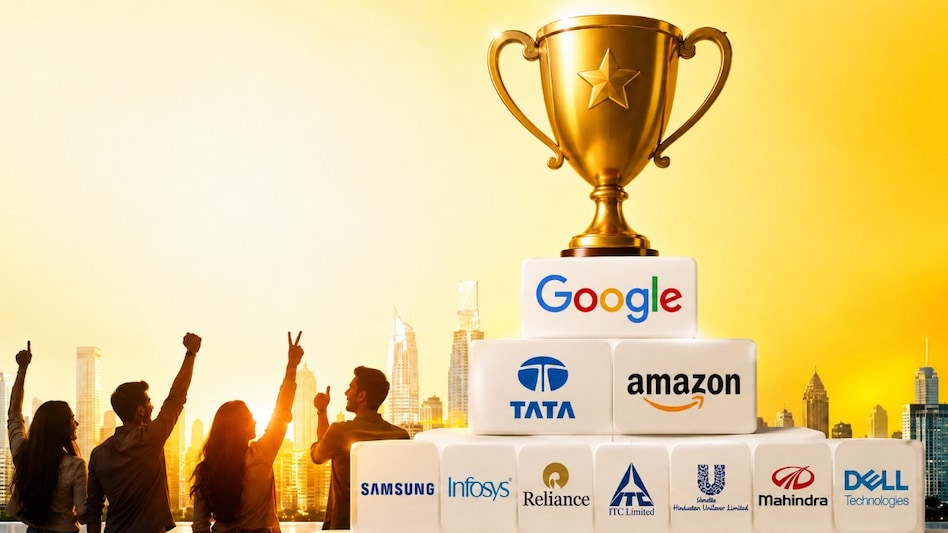
Google has emerged as India's most attractive employer brand, followed by Tata Group and Amazon, according to the Randstad Employer Brand Research (REBR) 2026. The bigger takeaway, however, is the changing definition of an attractive employer.
As India enters what Randstad describes as the era of the "Balanced Employer", talent is increasingly evaluating organisations on the overall employee experience, from work-life balance and career growth to flexibility, wellbeing, inclusivity and fair rewards, rather than on salary alone.

 Rajiv Kumar pushed for changes at HDFC Bank; Sashidhar Jagdishan chose to step down: Report
  'NCLT order rightly stayed': Subhash Chandra personal guarantee issue back to the drawing board
 Reliance enters ice cream market with Bombay Creamery, prices start at Rs 10
 'We raised at a peak, but sold at a fraction': Unacademy CEO on $3.44 bn-to-$200 mn UpGrad deal
 BT EXCLUSIVE: Can the soundbox become a bank branch?
 Kotak’s Mid Cap & Flexi Cap Strategy: Where Should Investors Bet Now?
 India GDP Growth At 7.8%: What It Means For The Economy, Markets & You
 Sugar Stocks Under Pressure | Govt Tightens Dealer Stock Limits Till Nov 30
 Market Commentary: Where Is The Next Big Opportunity? | Asit Bhandarkar
 Daily Calls: Ask Your STOCK MARKET TODAY QUERIES | Market Update | Share Market News Today
 Tata Tech, NCC, Data Patterns, eMudhra shares: Expert shares technical view, targets
 NTPC, GAIL, Gujarat Pipavav, TBZ, Triveni Turbine among 13 stocks to turn ex-dividend tomorrow
 Happiest Minds shares dive 11% to near listing price; ITC Infotech merger plan in focus: Buy, sell or hold?
 Happiest Minds stock crash: Buying opportunity after 11% fall? Analyst says this
  More pain likely on HDFC Bank counter, stock may fall to Rs 650 mark, says analyst
  India’s installed power capacity to quadruple by 2047; grid connectivity the biggest challenge
 Will the Baleno facelift get a sunroof and larger screen? Why the reported feature lists still differ
 Why India's increased solar module output is a cause for concernTata Tech, NCC, Data Patterns, eMudhra shares: Expert shares technical view, targets
 John Ternus at Apple: How the new CEO rose through the company’s hardware ranks












