









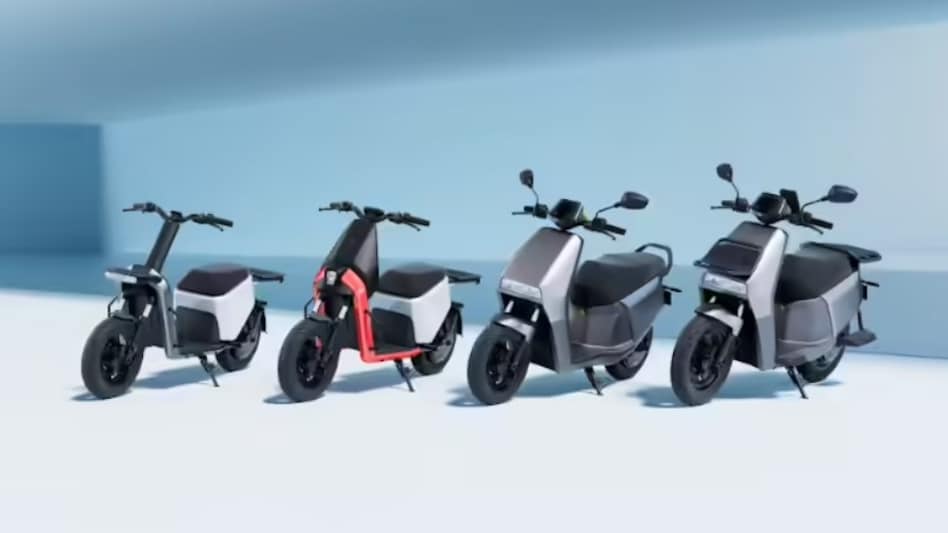
 The draft Delhi Electric Vehicle (EV) Policy 2026, unveiled on April 11, 2026, bans the registration of internal-combustion engine (ICE) two-wheelers from April 1, 2028.
 The draft Delhi Electric Vehicle (EV) Policy 2026, unveiled on April 11, 2026, bans the registration of internal-combustion engine (ICE) two-wheelers from April 1, 2028.
As Delhi proposes a ban on internal combustion engine (ICE)-powered two- and three-wheelers, the Society of Indian Automobile Manufacturers (SIAM) has called for bringing in more enablers to promote the adoption of electric vehicles instead of resorting to mandates.
“There should be greater focus on enablers. One should avoid going through the routes of mandates and bans,” SIAM President Shailesh Chandra said at a press conference. “This is still to be deliberated in detail because the draft policy has just come,” he added.
Chandra, however, cautioned that the auto industry will have to ensure that the draft policy does not move towards “too much of a mandate.”
“We should create an enabling environment for the adoption of zero-emission vehicles through incentives to overcome price and charging infrastructure barriers, so that there is a natural pull for consumers,” Chandra stated.
ALSO READ: Delhi EV policy offers 50% road tax exemption to strong hybrid cars
The draft Delhi Electric Vehicle (EV) Policy 2026, unveiled on April 11, 2026, bans the registration of internal-combustion engine (ICE) two-wheelers from April 1, 2028. The proposal, which is open for public comments for 30 days, states that only electric two-wheelers will be eligible for new registrations in the National Capital Territory (NCT) of Delhi starting from that date.
To encourage the adoption of electric two-wheelers, the Delhi government plans to provide financial incentives for electric two-wheelers costing up to ₹2.25 lakh. In the first year after the policy is implemented, buyers will receive ₹10,000 per kWh (kilowatt-hour), capped at ₹30,000. This will be reduced to ₹6,600 per kWh (up to ₹20,000) in the second year, and ₹3,300 per kWh (up to ₹10,000) in the third year.
“Two-wheelers constitute approximately 67% of the total vehicle stock in Delhi, making their rapid electrification critical for achieving meaningful reductions in vehicular emissions,” the draft policy stated.
Delhi’s draft EV policy also mandates the registration of only electric three-wheelers from January 1, 2027.
ALSO READ: BT EXPLAINER: Planning to buy an EV in Delhi? Bumper savings, tax waivers under new policy explained
 Can Byju Raveendran still shape Byju's insolvency outcome?
 India to launch E85 fuel on World Environment Day
 Petrol, EV or Flex-Fuel? Here's which car makes most sense for your road trips in 2026
 Tomatoes push up Thali costs in May by 7% -- will onions and potatoes be next?
 Can flex fuel cut your petrol bill? What the Brazil model shows us
 Citi Sees Massive Upside In Power Stocks! ₹9.7 Lakh Crore Opportunity Ahead
 Midcap Winners Ahead? Siddhartha Khemka Reveals Top Themes For FY27
 Govt's Big Move To Save The Rupee! Will Foreign Money Return To India?
 Q4 Earnings Surprise! BFSI, Metals Shine As FY28 Recovery Takes Shape | Siddhartha Khemka
 Reliance Down 17%: Is This the Best Time to Buy Before Jio Listing?
 'Is this the biggest stock market scam ever? Move over, Harshad Mehta ...' — asks Sanjay Jha
 Thangamayil Jewellery shares zoom 18% to hit record high; here's what investors should know
 CG Power, Hitachi Energy India, GE Vernova shares rise up to 4% today; here's why
  Bharat Forge sets record date for FY26 dividend payment; check details
 Did you know? Rajesh Exports was one of the awardees of Rs 18,100 cr PLI scheme in 2022