


 Moonlighting refers to the practice of taking up other jobs and assignments while working full-time with an organisation.
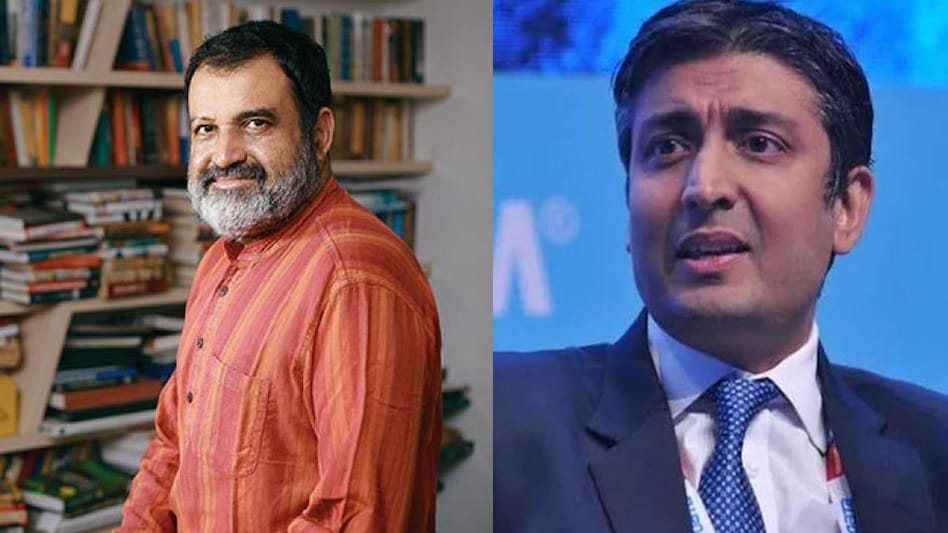
The recent comment by Wipro’s Executive Chairman, Rishad Premji, on moonlighting has sparked a debate in the IT sector about the practice. While Premji and many others consider moonlighting as “cheating, plain and simple”, IT sector veteran Mohandas Pai has a different point of view.
In a conversation with Business Today, Pai, who is a former director of IT giant Infosys, said, “No, moonlighting is not cheating.” He explained, “I would look at it from a different perspective. Employment is a contract between an employer who pays me for working for them for 'n' number of hours a day. During that time, I have to abide by their conditions, including client confidentiality, and I'm paid for that. At that time, I can't work for anybody else. Now what I do after that time is my freedom, I can do what I want.”

 'Essel Group repaid ₹43,000 crore debt': Subhash Chandra seeks independent audit to examine his debt
 India should create 1,580 Suzukis: Piyush Goyal urges Japan to boost investment
 Solar may remain king, but India’s next renewable boom could be in batteries and transmission
 Trump’s ‘biggest oil deal in history’: What the US gains from control of 65 billion barrels of Venezuela’s crude?
 Centre seeks public feedback to reform NTA and competitive exam systems by Sept 13
  TCS, Infosys In Value Zone? Why AI Could Be The Key To Their Next Big Re-Rating
 Gold & Silver Outlook: New Record Highs Ahead? Expert Predicts Multi-Year Commodity Rally
 YouTube & Instagram Income Tax Rules: What Content Creators Need To Know Before Filing ITR
 Why Fund Manager Aniruddha Sarkar Is Big On SML Mahindra | Trucks, Buses & Growth Outlook
 Latest Tech News | Witcher 3 Remastered, Mac Studio, vivo X500 | Business Today
 Jio Platforms IPO gets SEBI nod: Rs 27,500 crore debt repayment plan, $100 billion valuation in focus
 Closing Auction Session: Why the system expected to reduce volatility is still seeing occasional wild swings
 RIL-backed penny stock hits 52-week low; firm clarifies on high trading volume
 Happiest Minds shares slip despite IT stocks surge; here's what is weighing on the stock
 BEL, Solar Industries shares remain Nuvama's top defence picks; here's what it said on BDL, Data Patterns, HAL
 Xi Jinping's military purge: General behind PLA’s violent Galwan & Doklam clashs stripped of postsCentre seeks public feedback to reform NTA and competitive exam systems by Sept 13 TCS, Infosys In Value Zone? Why AI Could Be The Key To Their Next Big Re-RatingTrump’s ‘biggest oil deal in history’: What the US gains from control of 65 billion barrels of Venezuela’s crude?Solar may remain king, but India’s next renewable boom could be in batteries and transmission












