

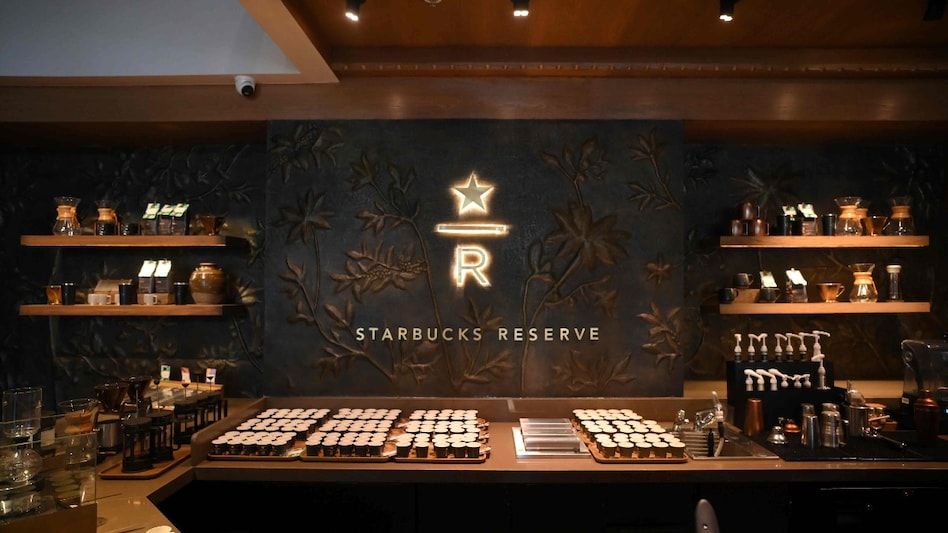
 Starbucks currently operates 500‑plus stores across more than 80 cities in India, compared with an estimated 5,500 organised cafés nationwide
If your search for artisanal coffee has never led you to Starbucks, then the brand is now trying to reach you. Tata Starbucks Private Limited is doubling down on its premium café strategy in India, with the company planning to roll out more Starbucks Reserve cafés across the country over the next six months, even as it continues to expand its regular store network. The move signals growing confidence in India’s organised café market and a belief that consumers are increasingly willing to spend more time and money on differentiated, experience‑led coffee formats.
“We will continue to open our regular Starbucks stores, but over the next six months, you will also see more Starbucks Reserve launches across India,” Adrit Mishra, Chief Operating Officer at Tata Starbucks, told Business Today. According to Mishra, the pace and location of Reserve launches will depend on the maturity of individual catchments rather than fixed numerical targets.
 State finances are turning into a matter of concern. Here’s why
 GE HealthCare targets 2X+ exports from India by 2030
 Hisar to Sohna-Palwal: Haryana approves ₹9,700 crore for five major bypass projects
 ‘No amount of US pressure should justify recklessness’: Sam Altman backs 'slow' frontier AI pace
 NSE IPO: Nithin Kamath recalls how NSE supported Zerodha in its early years
 Amit Shah Hails India’s Rise From Fragile Five To Top Five, Politics Of Performance Since 2014
 MEA Details BRICS Summit Outcomes as India Pushes Practical and People-Centric Cooperation
 Modi@25: Amit Shah Highlights 25 Years Of Leadership, Governance And 2047 Vision
 “Development And Environment Are Complementary”: PM Modi On Sustainability At BRICS
 Modi@25: Amit Shah Announces Seva Sankalp Campaign From Sept 17 To Mark Modi’s 25 Years Of Service
 Solar Industries to acquire South African firm Omnia Holdings for Rs 12,951 crore
  Tata Sons: A look at net worth of the holding company as IPO buzz gains traction NSE IPO: Nithin Kamath recalls how NSE supported Zerodha in its early years
 Tata Sons listing: Tata Steel, TMPV, Tata Chemicals among stocks that could benefit; here's why
 KEC International wins new orders worth Rs 1,303 crore across T&D, cables businesses
 iPhone 18 Pro effectively around ₹70,000: Here's how you get discounts
 'It is my vehicle, I was at work': Gurugram car owner says friend was driving during woman biker crashSolar Industries to acquire South African firm Omnia Holdings for Rs 12,951 crore
  Gen Z drives 79% of new formal job accounts in India in FY26: Quess reportTata Sons: A look at net worth of the holding company as IPO buzz gains traction












