

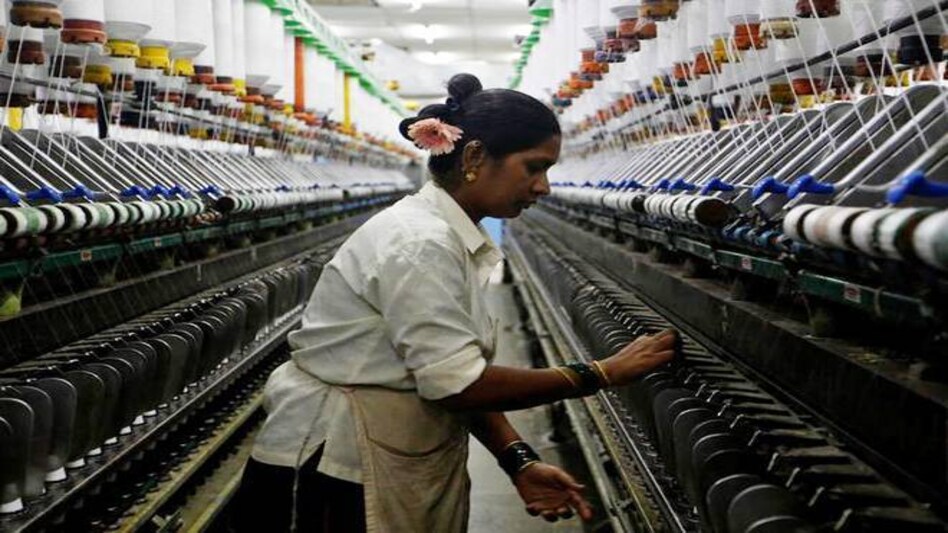
The jobs debate in India is unlikely to settle down anytime soon. Prime Minister Narendra Modi and his ministers have time and again said that India does not have a job creation problem, it has a jobs data problem. In other words, the country is creating enough jobs, it is simply that we do not have the right surveys that capture the jobs being created. The opposition of course begs to differ.
The jobs debate has also sharply divided economists and economic analysts. Pulok Ghosh of IIM Bangalore and Soumya Kanti Ghosh of SBI used Employee Provident Fund Data (EPFO) and other indices to try and estimate the number of formal sector jobs created. Their conclusion was that job creation in the formal sector was pretty robust and there was no need to worry. Surjit Bhalla also wrote a column which estimated that jobs were being created all round and that carping critics were just trying to run down the government. He came up with an estimate of almost 15 million jobs created in 2017, using two sets of data -- one from CMIE and one from the EPFO.
 Metals relief rally: As investors count losses, six stocks trading at 52-week highs; price targets and more
  ₹25,000-crore SP Group liquidity plan separate from Tata Sons listing, says Tata Trusts
 BSE shares enter Nifty club, stock tanks 4%; what consensus target suggests
 BT BIG STORY: Why your MBA fees keep getting more expensive
 Venu Srinivasan challenges Noel Tata’s chairmanship of Tata Trusts, seeks scrutiny of perpetual trustee status
 Why Foreign Investors Are Betting On Mid & Small Caps Over Traditional Large Caps
 SEMICON India 2026: Global Chip Giants Announce Major India Investment Plans
 Ep17: How Mira Kapoor Is Building India’s Luxury Wellness Brand | Building A $4 Mn Wellness Business
 PROMO | 27 Years Of BT Golf | BT Golf 2026-27 Tees Off On 19 October 2026
 Supreme Court Questions High Medicine Prices At Corporate Hospitals | Essential Drugs Pricing
 HAL share price: 43% upside! Tejas Mk1A delivery, ‘even one aircraft’, key re-rating trigger, says JefferiesMetals relief rally: As investors count losses, six stocks trading at 52-week highs; price targets and more
  PB Fintech shares: Bernstein sees ‘do-or-die’ 18 months, cuts target by 53%; here's why
 Multibagger Azad Engineering shares hit record high; stock up over 100% in six months
 Inox Green Energy shares rise as company allots shares worth Rs 300 crore in QIP₹25,000-crore SP Group liquidity plan separate from Tata Sons listing, says Tata TrustsHAL share price: 43% upside! Tejas Mk1A delivery, ‘even one aircraft’, key re-rating trigger, says JefferiesMetals relief rally: As investors count losses, six stocks trading at 52-week highs; price targets and more Venu Srinivasan challenges Noel Tata’s chairmanship of Tata Trusts, seeks scrutiny of perpetual trustee status
 UP Rajya Sabha polls: Samajwadi Party names Ramgopal Yadav, Dhanraj Nathwani as candidates, no decision yet on 3rd candidate












