


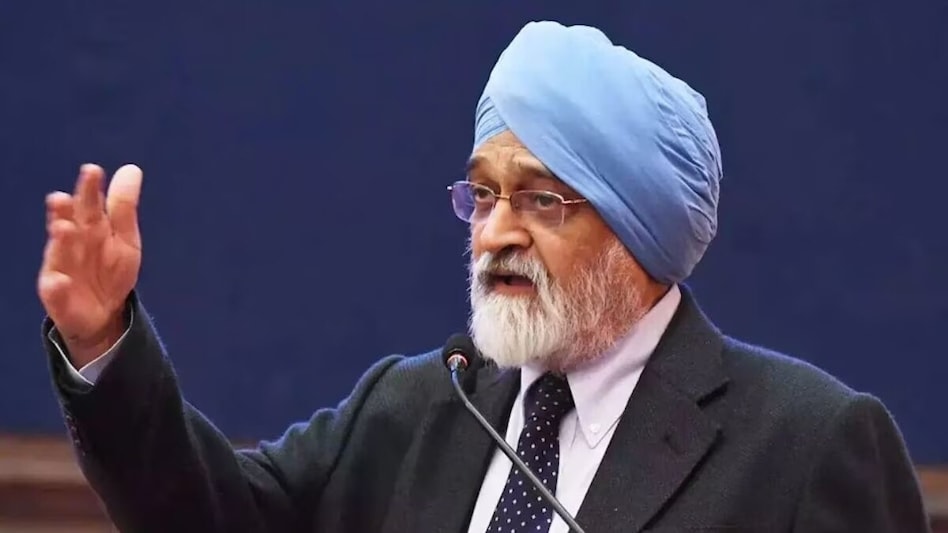
 Montek Singh Ahluwalia, economist and former Deputy Chairman of the Planning Commission
Montek Singh Ahluwalia, economist and former Deputy Chairman of the Planning Commission, has backed the recent fuel price hikes, saying passing on rising global oil costs to consumers was "essential" and that there was "no way of avoiding it".
Ahluwalia said failing to raise fuel prices in response to soaring crude oil costs would have sent the wrong signal. "The passing on the price hike was essential. In fact, failing to do so would have given the impression that we don't know how to manage the situation," he said while speaking to India Today TV.

 600% dividend stock: Check dividend per share, record date, payment date and other key details
 What is Pickaxe Mountain? Inside the Iranian nuclear site being threatened by Trump
 Big bond shake-up ahead? Norway’s $2.3 trillion fund may slash Treasury holdings by $75 billion
 ‘Lower the rate or I’ll stop...’: Donald Trump links US trade deficit to Fed rate cuts
 China’s oil use drops sharply: Expert says EV shift is changing global energy demand
 From LIC At 70 To 100: CEO Doraiswamy’s Big Promise To Policyholders & Shareholders
 LIC CEO On Changing Insurance Needs, Younger Customers & The Rise Of Retirement Planning
 Is Travel Insurance Necessary For Every Trip? Costs And Coverage Explained
 #DemocraticNewsroom | '800 Million People On Subsidies': Siddharth Zarabi On India’s K-Shaped Economy
 #DemocraticNewsroom | India Inflation Data: Are Official Numbers Hiding The Real Economic Picture?
 600% dividend stock: Check dividend per share, record date, payment date and other key details
 56% rally in TBZ stock: Upper circuit led to record high today; here's why
  Sensex, Nifty snap four sessions of losing streak; RIL, Tata Steel, Bajaj Finance boost sentiment
  Physicswallah shares jump 9% as Motilal Oswal sees 66% upside
 KEC International: At 52-week low, Geojit expects more downside in infra stockFrom LIC At 70 To 100: CEO Doraiswamy’s Big Promise To Policyholders & Shareholders
 'Pack and go' order: Tata Chemicals claims full regulatory compliance as Kenya demands exit from Lake Magadi
 'Toxic' box office collection day 10: Yash's film headed towards disaster, Hanuman Ansh sees 6,300% growth in week 4
 'Quality maintain karna or I’ll send HIM': Salman Khan drops hilarious warning for Bandra caféLIC CEO On Changing Insurance Needs, Younger Customers & The Rise Of Retirement Planning












