


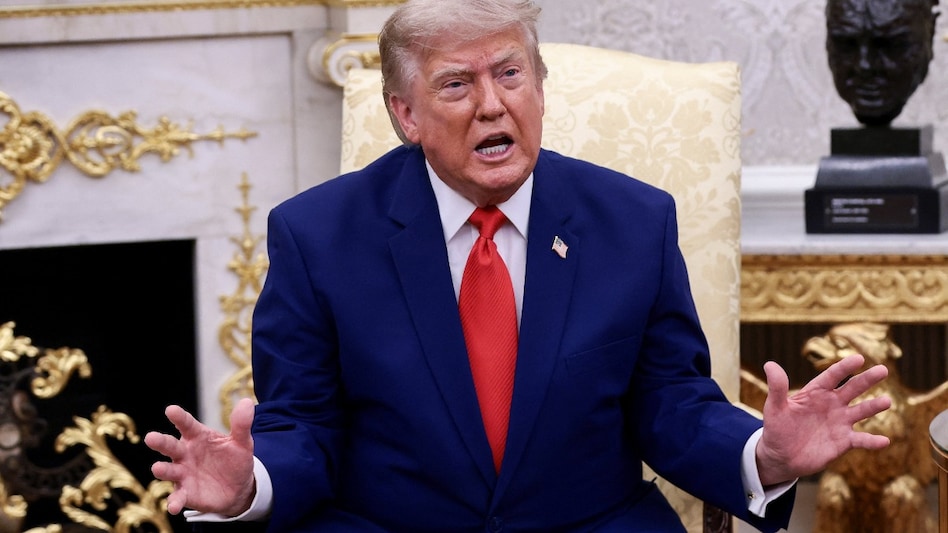
 US President Donald Trump had announced a 10% global tariff on exports from all countries under Section 122 of the US Trade Act of 1974.
 From July 24, the 10% tariffs levied by the US on exports from most parts of the world are set to expire but new tariffs may come in with the two ongoing investigations by the office of the US Trade Representative.
But for now, the expiry of the 10% tariffs from 9:31 am IST on Friday is expected to spell significant relief to a large part of India’s exports to the US. A report by the Global Trade Research Initiative said that from that time, around 92% of India's $87.2 billion merchandise exports to the United States will once again be subject only to the normal WTO-compatible US most-favoured-nation (MFN) tariffs.

 SEBI flags prima facie manipulation in Sensex closing auction session, blocks two entities
 SUVs are the talk of the town, so why is Škoda still betting on the sedan in India?
 One day, One university: Modi government's new outreach plan to reach Gen Z students
 No rate cut yet: RBI signals patience as food, fuel inflation risks persist
 N Chandrasekaran exit: Uncertainty looms over Tata AGM; here's what experts say
 Nifty Falls For 7th Straight Session: Is This A Buying Opportunity? Sharad Avasthi Explains
 “Invest In India, Invest In U.P”: Ashwini Vaishnaw’s Big Pitch For Japan At Business Conclave
 Empowering Conscious Enterprise Leadership
 Bonds, AAA Debt Provides Strong Cushion To Portfolio
 7 Types Of Income That Are Taxable For Senior Citizens | Tax Guide | Personal Finance | Money Today
 Market Closing Auction: Sebi asks brokers to accept orders in first five minutes SEBI flags prima facie manipulation in Sensex closing auction session, blocks two entities
 Sensex, Nifty extend losing streak amid weak global cues; what's ahead for Dalal Street?
 Ambit, Motilal Oswal see over 25% upside in this renewable energy player
 Samvardhana Motherson: Easy gains no longer in sight, says analyst after stock hits record highMarket Closing Auction: Sebi asks brokers to accept orders in first five minutes
  NBCC cancels e-auction of 262 luxury homes in Delhi’s ChanakyapuriSEBI flags prima facie manipulation in Sensex closing auction session, blocks two entities
 India beat Pakistan 5-3, advance to next round of Hockey World Cup
 Think Gen Z Is shunning formal jobs? 59% of new EPFO subscribers in FY25 were 18–25












