

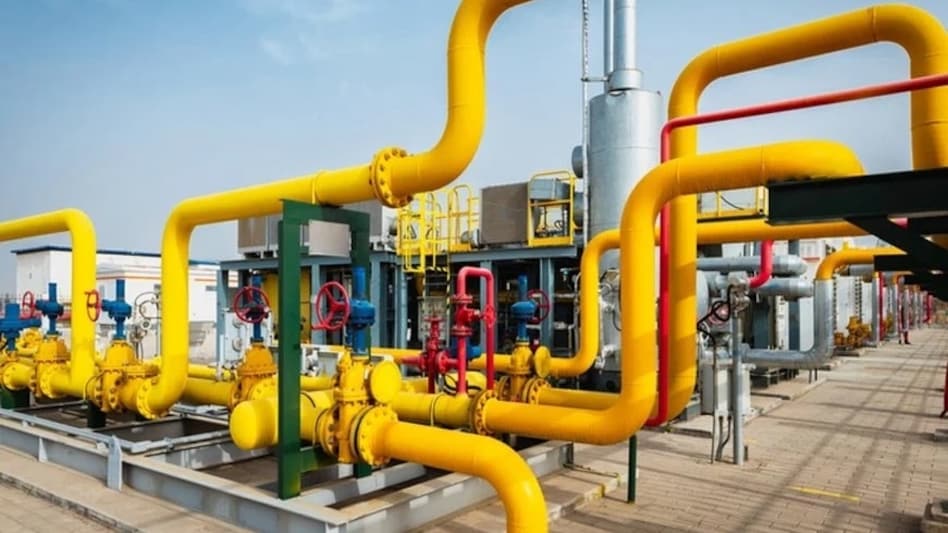
 Supplies to domestic PNG, CNG for transport, LPG production and essential pipeline operations will be maintained at 100 percent of their average gas consumption
The Centre has notified four priority sectors for natural gas supply, ensuring full allocation for households and transport while mandating reduced supplies for several industrial users after disruptions in LNG shipments through the Strait of Hormuz.
 India’s FY27 growth seen at 7.1–7.3%, but private investment must pick up: Deloitte
 'We don't fear competition': Reliance hits back at Musk's Starlink India claims
 Gold could hit record highs by 2028 as central banks ramp up buying: Report
 Jio IPO: How Ambani’s telecom giant stacks up against Mittal’s Bharti Airtel
 Sky-high airfares: Govt to publish new rules within 2 weeks, Centre tells Supreme Court
 Supreme Court Pulls Up Rahul Gandhi Over INDIA Bloc March, Issues Notices To Opposition Leaders
 FM Nirmala Sitharaman Praises U.S. G20 Presidency, Calls For IMF & World Bank Reforms
 Markets Rebound After Eight Weeks Of Losses As Domestic Buying Counters FII Selling Pressure
 IDBI Bank Divestment: Fairfax Deal Signals More PSU Bank Stake Sales And A Shift In Government Policy
 “10 Million Indians At Stake”’: India Urges Middle East De-Escalation At UNSC
 HDFC Bank, ICICI, Axis, YES Bank Q2 results preview: Over 40% Nifty Bank weight; key expectations, targets
 YES Bank's AT1 bonds writeoff: What SC's decision means for foreign investors
  HDB Financial shares plunge 16% in three days; what should investors do?
 Swiggy shares rebound from record low; brokerage upgrades stock to 'Buy'
 Jio IPO: Why Bharti Airtel share price is rising ahead of Rs 30,213 crore offer
  “Perhaps the Deepest Worry Is Cyber Risk”: IMF MD Kristalina Georgieva On AI ThreatsSupreme Court Pulls Up Rahul Gandhi Over INDIA Bloc March, Issues Notices To Opposition Leaders
 Watch: Saudi Arabia Releases CCTV Of Houthi Attacks On Three AirportsFM Nirmala Sitharaman Praises U.S. G20 Presidency, Calls For IMF & World Bank ReformsMarkets Rebound After Eight Weeks Of Losses As Domestic Buying Counters FII Selling Pressure












