


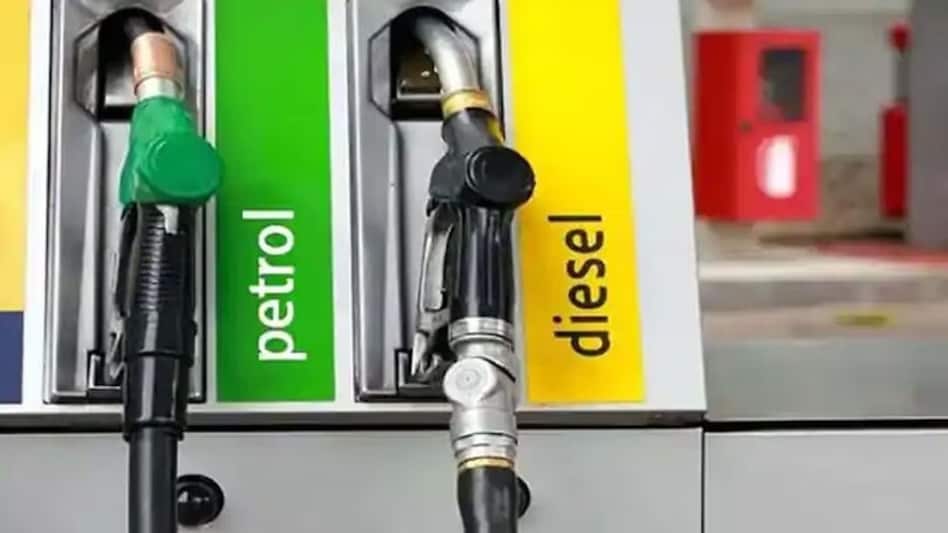
 Fuel prices jump 8% in Sri Lanka as panic buying surges after Middle East tensions
Sri Lanka has increased its retail fuel prices by over 8 per cent from midnight Monday as part of efforts to curb hoarding and panic buying. The move comes amid rising global crude oil prices, which recently crossed USD 100 per barrel for the first time in four years, driven by escalating tensions in West Asia.
In response to the surge in crude oil prices, the state-run Ceylon Petroleum Corporation (CPC) raised the prices of petrol and diesel by LKR 22 (Rs 6.54) per litre, officials confirmed on Tuesday.

 Brent hits $110 as Hormuz ship attacks, Houthi strikes on Saudi trigger oil rally
 Emirates NBD’s Indian branches to merge with RBL Bank from December 1
 SBI Research urges tax clarity on G-Secs, ECB rules to deepen domestic borrowing markets
 India invested just $15 billion in AI against $757 billion in US: Why private capital matters
 Gold vs government bonds: Why investors are diversifying away from sovereign debt
 Jio IPO: Mukesh Ambani's Big ₹30,213 Crore Bet, Reliance Employees Asked To Invest?
 Flying Cars Are Here? Elon Musk Shows Tesla Roadster Flying Through Air In Stunning Demo
 Ramakrishna P, CEO, India Mobile Congress Talks To Us About India’s Next Digital Frontier
 Market Recovery: Gaurang Shah Picks Banking, Defence, Power And Cement Stocks For Fresh Bets
 Will IDBI Employees Lose Jobs? DIPAM Secretary Arunish Chawla Clears The Air On Pension & Benefit
 Brent hits $110 as Hormuz ship attacks, Houthi strikes on Saudi trigger oil rally
 CCL Products shares fall 9% on Q2 results; brokerages see up to 30% upside
 PNB Q2 earnings: Net profit rises 13%, asset quality improves
  BT Explainer: What changes for investors post revision of new Closing Auction System
  PC Jeweller shares hit 52-week high; stock jumps 75% YTD; what analysts say
 'Time to make issue resonate internationally': YouTuber Dhruv Rathee calls London protest over 'vote chori'
 'Jailer 2' box office collection day 2: Rajinikanth's film tops ₹200 crore worldwide; eyes Toxic's lifetime biz
 Quote of the Day by Mukesh Ambani: 'Everybody has equal opportunity, and I think that is true for everything'
  Delhi Police arrests Abhijeet Dipke ahead of Tiranga march, CJP claims lawyers unable to contact himGold vs government bonds: Why investors are diversifying away from sovereign debt












