


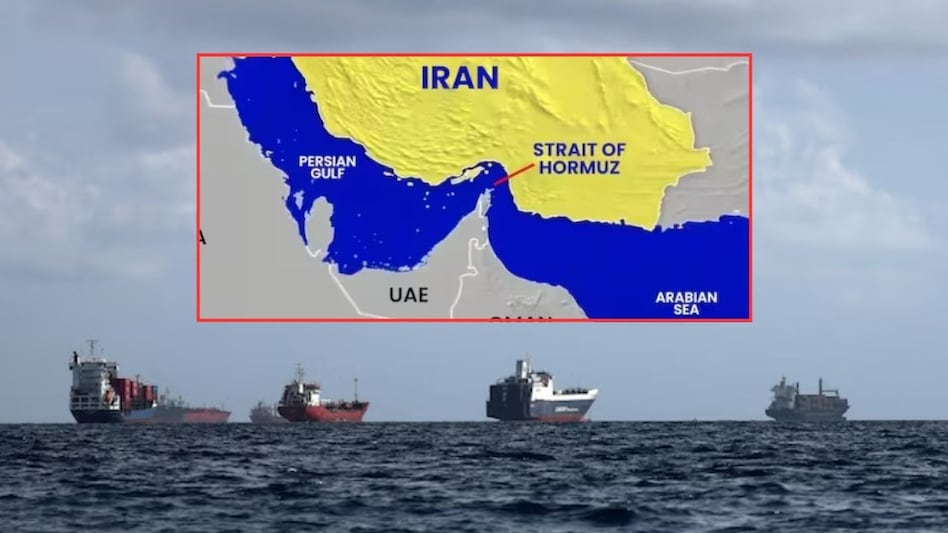
 The Strait of Hormuz, a critical artery for global hydrocarbon supply, faces potential disruption alongside damage to key production facilities.
The International Monetary Fund has warned that the global economic outlook has “abruptly darkened” following the outbreak of war in the Middle East, with the potential closure of the Strait of Hormuz raising the risk of an energy crisis on an unprecedented scale.
The conflict, which began on February 28, 2026, has disrupted what had been a steady global growth trajectory. Prior to the war, the IMF said it was poised to upgrade its forecasts, supported by strong technology investment, easing trade tensions, fiscal support, and accommodative financial conditions. However, the war has overwhelmed these positive forces.

 Repeated ₹2,000 UPI payments for one purchase? Your bank could flag the pattern: What it means
 US govt vs Anthropic: DC appeals court upholds Pentagon blacklist order. What it means?
 Historic! Home loans in India are now cheaper than the US -- What NRIs must know
 Xi Jinping in US: Beijing, Washington agree to $30 billion reciprocal tariff cut, says report
 Bangkok under water: Cars float on submerged streets as 50 districts declared disaster zones. Watch
 R Veeramani Case: Granite Tycoon Faces Widening POCSO Probe In Chennai
 Gen Z And Money: Why Young Investors Want Quick Returns Over Long-Term Wealth Creation
 How Is Alexa+ Different? Will It have Ads Even If You Pay? Exclusive Chat
 Demand Robust Across Segments | Production To Ramp Up, Exports To Expand: Vivek Srivatsa
 GST Council To Meet On October 7: Invoice Matching, ITC & UPI MDR Tax In Focus
 IPO rush: Four IPOs conclude today; check subscription status, other details of issues still open
 Meesho shares slip 7% as Nomura assigns 'reduce' call; here's what the brokerage says
  Sensex, Nifty extend losing streak to seventh week, longest since 2020: What's next?
 Suzlon in bear grip: Oversold signals emerge near 52-week low for the stock
  EIL shares jump 7% to hit record high; stock up nearly 62% in six months: What's driving the rise?
 Monkey walks into Ranchi liquor shop, drinks vodka and falls asleep; Video goes viral
 Oracle among 22 firms facing 2-year ban from IIT campus placements over revoked offers: Report
  El Niño effect? Maharashtra declares drought across 265 talukas as rain deficit grips 74% of stateBangkok under water: Cars float on submerged streets as 50 districts declared disaster zones. WatchXi Jinping in US: Beijing, Washington agree to $30 billion reciprocal tariff cut, says report












