


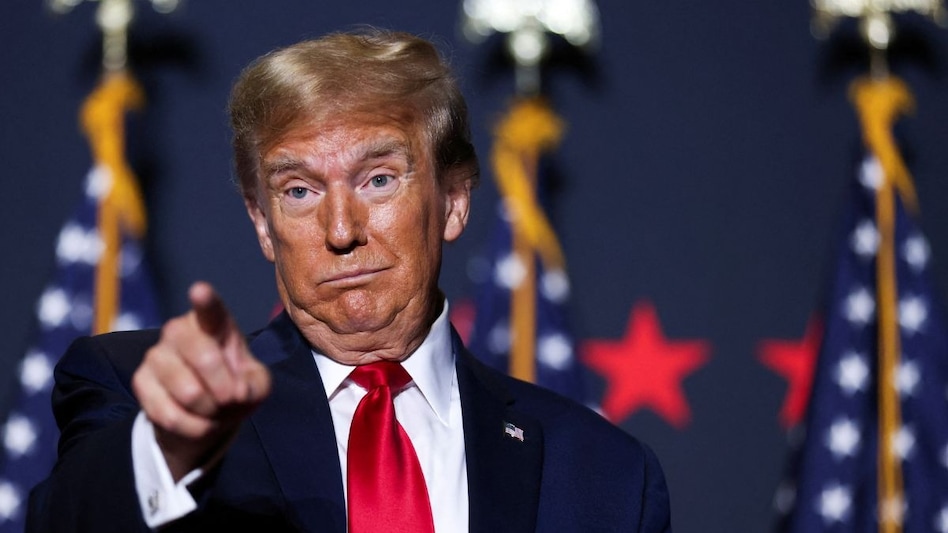
 While India’s pharmaceutical exports — a $25 billion-plus annual business — are not directly named in the latest exemptions, they remain exposed to future tariff waves
The United States has officially notified additional 25% tariffs on Indian imports, set to take effect from August 27 (9:31 am IST). But a closer look at the notification reveals a key detail: several major Indian exports, including iron, steel, aluminium, copper, automobiles, and certain electronics, are exempt from these duties.
Buried in the annex are carve-outs for products listed under specific HTSUS headings, notably those related to base metals, vehicle parts, and industrial derivatives. This gives Indian exporters some breathing room — at least initially.

 BT BIG STORY: Why young global scholars are returning to teach at India's B-schools
 Tata Sons reviews its Articles of Association to meet SEBI listing regulations: Report
 BT Explainer: China’s gold market — What rising ETF inflows and falling physical demand signal
 Vedanta stock in focus: Metal major doubles South Africa zinc capacity with $600 million investment
 'Last time you wanted to finish the job...': Iranian foreign minister challenges Donald Trump
 Gold Vs Silver: Which Could Deliver Better Returns Over The Next 3–5 Years? Expert Shares Targets
 Gold, Silver ETF Purchases Halted: Why Mutual Funds Have Restricted Fresh Investments Before Diwali
 SIR Explained: Forms 6, 7 And 8—What Voters Must Know | Akshita Nandagopal Explains
 Gold Investment Options: ETFs, EGR And MCX Explained | How To Invest In Gold Beyond Physical Buying
 Redmi Note 17 Pro Max Review , Vivo V80, Vivo Vision | Tech Gear EP 20 | Business Today
 Hitachi Energy, Karur Vysya Bank, HDB Financial: Stocks to trade — Key levels, targets & stop loss
 Excess liquidity weighing on Indian equities, says Finance Minister Nirmala Sitharaman
 Top Stocks in news: ICICI Bank, Vedanta, HDFC Bank, Power Grid, YES Bank, RailTel, Axis Bank, Ixigo
 HDFC Bank Q2 review: Earnings in line with estimates; brokerages share price targets Vedanta stock in focus: Metal major doubles South Africa zinc capacity with $600 million investmentHitachi Energy, Karur Vysya Bank, HDB Financial: Stocks to trade — Key levels, targets & stop lossExcess liquidity weighing on Indian equities, says Finance Minister Nirmala SitharamanTop Stocks in news: ICICI Bank, Vedanta, HDFC Bank, Power Grid, YES Bank, RailTel, Axis Bank, IxigoHDFC Bank Q2 review: Earnings in line with estimates; brokerages share price targets Tata Sons reviews its Articles of Association to meet SEBI listing regulations: Report












