


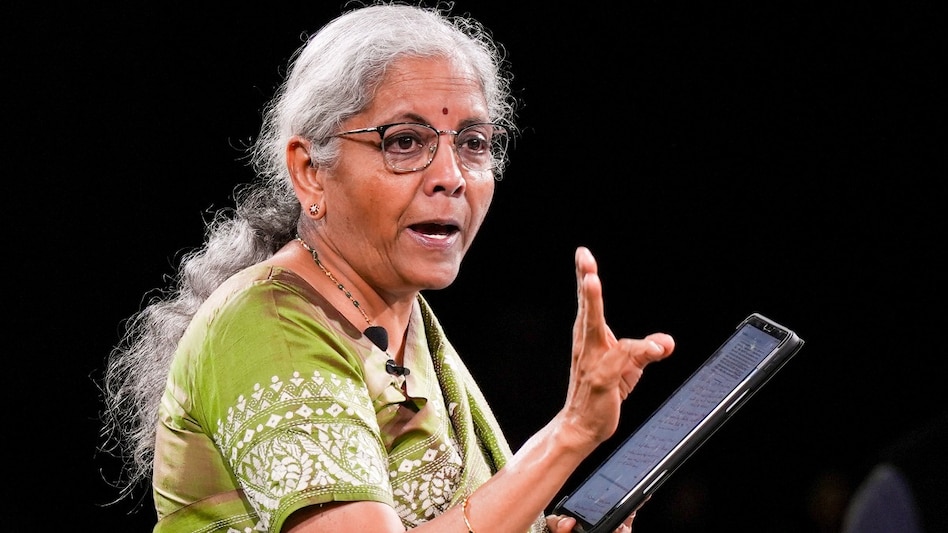
 Union Finance Minister Nirmala Sitharaman
Union Finance Minister Nirmala Sitharaman on Wednesday underlined the need to restore normalcy in the world and highlighted the cost of war that has caused supply chain disruptions and higher inflation globally.
“No way can there be enough justifiable reason for skirmishes or war. The first effort, I think, the global priority for this decade, should be to restore normalcy. Talk, sit and discuss. War should be avoided. Disruption should be avoided,” she said at the Global Economic Policy Forum 2024 organised by CII.

 Bitter Friday for Nestlé: Russia seizes assets as Moscow targets Western firms over Ukraine support
 From selling gold to spending ₹3.5 lakh: iPhone 18 Pro fever hits India as fans queue up on sale day
 Jefferies' Christopher Wood sees gold at $10,000 'sooner or later'; likes India's small, midcaps
 NSE IPO fully subscribed on Day 2; QIB, NII quotas booked 1.3 times each
 Warren Buffett steps down as Chairman after 60 years: What changes at Berkshire Hathaway now
 “Unacceptable And Unprofessional”: MEA Rejects Pakistan’s Claims Over INS Kolkata Collision
  Commodity Trading For Beginners: How MCX & NCDEX Work | Trading Basics | Money Today
 US Fed Rate Hikes A Headwind For Foreign Flows? | Jibi Jacob | Jefferies
 ₹25 Billion FII Outflow: What Could Bring Foreign Investors Back? | Jefferies' Jibi Jacob
 India’s Private CapEx Picks Up: Christopher Wood On The Market Outlook
 Jindal Supreme, SS Retail, Hero Motors IPOs subscribed up to 181 times on final day; details here
 Sensex, Nifty post sixth weekly loss; TCS, Titan among top laggards, slip up to 4%
 How AI collapse could benefit Indian equity market; Jefferies' Christopher Wood explains
  Banks are no more secular growth story, prefer NBFCs: Chris WoodJefferies' Christopher Wood sees gold at $10,000 'sooner or later'; likes India's small, midcaps
 Tata Electronics partners with Japanese, Malaysian firms to boost semiconductor manufacturing in India
 What Will Define the Next Generation of Finance Leaders?
  Tata Electronics, L&T Semiconductor team up to expand India’s semiconductor manufacturingBitter Friday for Nestlé: Russia seizes assets as Moscow targets Western firms over Ukraine support
 Delhi Airport introduces dedicated gates for hand-baggage-only travellers: Check gate numbers












