

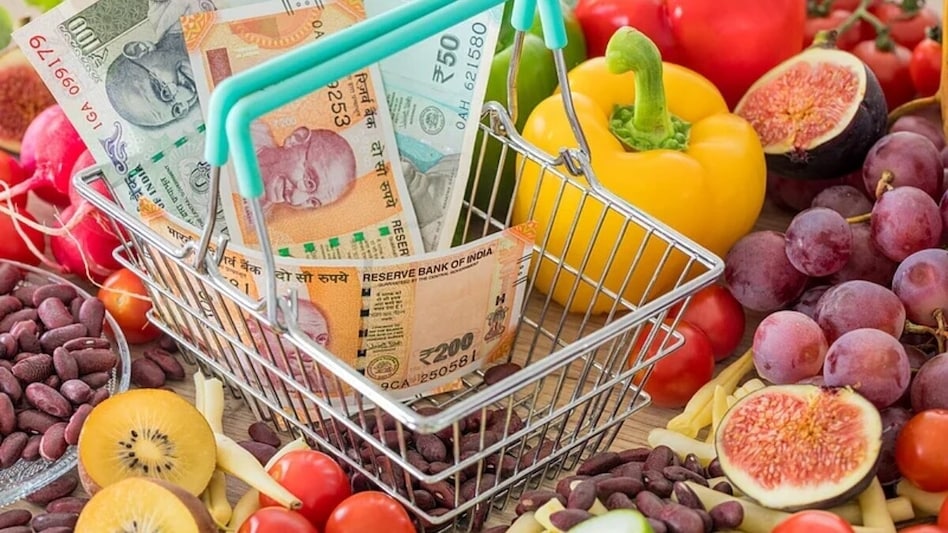
 As of March 2026, India’s macroeconomic fundamentals remain relatively strong compared to much of the world.
 If you’ve noticed your social media feed or news alerts buzzing with the word stagflation lately, you’re not alone. Google searches for the term in India have spiked in recent weeks. But what exactly is stagflation, and should India be concerned?
What is Stagflation?
 How Tamil Nadu is continuing to lead in manufacturing with factories and factory workers
 Carney strikes back: Canada retaliates against US tariffs with duties on $20 billion of goods
 Get a lifetime membership at Delhi's iconic Roshanara Club; DDA opens 750 slots, check prices
 Did you know India’s cash demand is strong despite the digital payment boom?
 Xi Jinping likely to visit India after 7 years for BRICS summit, may bring 400-member delegation
 Trump Moves To Make H-1B Visa Fee Permanent And Higher: What It Means For Indians
 Market Rally Vs Geopolitical Risk: What Wins From Here? Aditya Agarwal
 Daily Calls: Ask Your STOCK MARKET TODAY QUERIES | Market Update | Share Market News Today
 Symbiotec Pharmalab IPO | Top Management On Growth Plans, Business Outlook & IPO Strategy
 Chennai Second Airport Halted: Parandur Project Faces Wetland Concerns & Political Storm
 Paytm shares up 33% in a month: Time to book profits or is there more upside left?
 Nykaa shares: Elara Capital hikes target price; sees 43% upside potential
 Crompton Greaves shares: Brokerage sees 67% upside potential; check target price
 Dixon Tech, Amber Enterprises: Will they benefit from MPMS? Kotak shares views
 Vodafone Idea, Paradeep Phosphates, Hindustan Copper shares: What expert saysGet a lifetime membership at Delhi's iconic Roshanara Club; DDA opens 750 slots, check prices
 AI-generated music faces a chart ban in Australia. Here's what the new rules say
 Long weekend getaway planned? Here’s how Axis Bank cardholders can save on MakeMyTrip bookingsCarney strikes back: Canada retaliates against US tariffs with duties on $20 billion of goods
 From GIFT City to global finance: British Virgin Islands pitches trade ties with India












