


 Higher oil prices would also affect India’s external balance. The report said that a $10 increase in crude prices could widen the current account deficit by around 36 basis points.
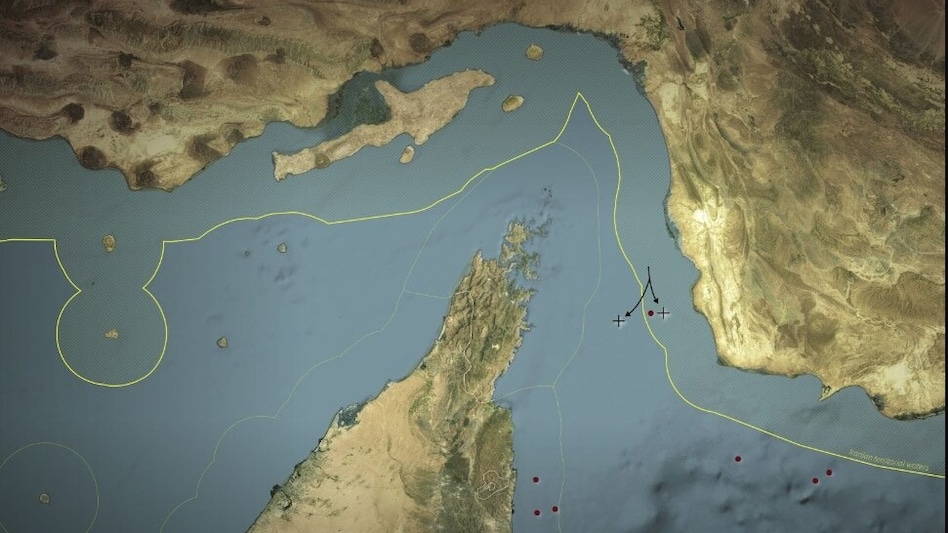
The escalating conflict in West Asia could push oil prices sharply higher and trigger inflation, widen India’s current account deficit and slow economic growth if tensions persist, according to a report by SBI Research. With nearly 90% of India’s crude oil requirement met through imports, any disruption in global energy supply — particularly through the Strait of Hormuz — poses a direct risk to macroeconomic stability.
The report noted that the Strait of Hormuz carries around 20–26% of global oil supply, making it one of the most critical energy chokepoints in the world. Any prolonged disruption in the region could send crude prices higher and create ripple effects across inflation, trade balances and growth.

 'Close your borders before it's too late': Trump sounds alarm as France erupts in violence
 New Noida to become UP's next manufacturing hub: Land acquisition begins in 37 villages
 'Deport those who refuse to integrate': Milind Deora's warning as France burns
 Firing at Tiger Shroff's car in Mumbai's Juhu; Lawrence Bishnoi gang claims responsibility
 India is an important US ally, can't pivot from Russian oil overnight: Marco Rubio ahead of Mumbai visit
 Gold Vs Silver: Which Could Deliver Better Returns Over The Next 3–5 Years? Expert Shares Targets
 Gold, Silver ETF Purchases Halted: Why Mutual Funds Have Restricted Fresh Investments Before Diwali
 SIR Explained: Forms 6, 7 And 8—What Voters Must Know | Akshita Nandagopal Explains
 Gold Investment Options: ETFs, EGR And MCX Explained | How To Invest In Gold Beyond Physical Buying
 Redmi Note 17 Pro Max Review , Vivo V80, Vivo Vision | Tech Gear EP 20 | Business Today
 Markets Next Week: Jio Platforms IPO, high crude oil prices and Q2 earnings in focus
 10 investing mistakes retail investors should avoid, from overpaying to panic selling
 YES Bank Q2 profit rises 65% to Rs 1,080 cr; proforma impact of restatement of AT-I bonds revealed
 ICICI Bank Q2 results: Net profit jumps 20% to Rs 14,843 crore; NIM contracts
 IDBI Bank Q2 net profit falls 39% to Rs 2,205 crore on year-ago's one-off gain Firing at Tiger Shroff's car in Mumbai's Juhu; Lawrence Bishnoi gang claims responsibility
 'Take shelter, don't film attacks': India's fresh advisory for citizens in Saudi Arabia amid rising tensions'Close your borders before it's too late': Trump sounds alarm as France erupts in violence'Deport those who refuse to integrate': Milind Deora's warning as France burnsNew Noida to become UP's next manufacturing hub: Land acquisition begins in 37 villages












