


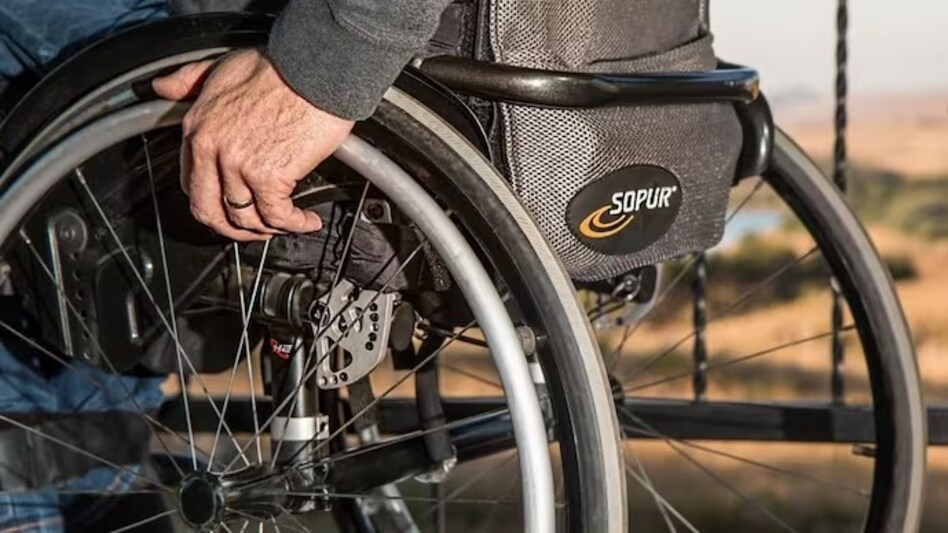
 The government is also making efforts to integrate accessibility topics into educational curricula.
The Ministry of Social Justice and Empowerment is focusing on certification programs for persons with disabilities, as more and more companies in the private sector are employing them. "We want to ensure that individuals with disabilities receive recognition for their skills. The government is making efforts to integrate accessibility topics into educational curricula, emphasising the importance of preparing students for an inclusive and diverse workforce,” said Rajesh Aggarwal, Secretary, Department of Empowerment of Persons with Disabilities.
The Secretary noted the private sector's increasing interest in hiring individuals with disabilities, particularly in visual elements. "Certification is crucial," he stated, brooding the balance between legal actions and cooperative approaches.

 NSE fixes IPO offer price at Rs 1,785 per share
 BT Big Story: How the FCNR(B) deluge has created two new problems for the RBI
  ‘I think the world of Chandra,’ says JPMorganChase Chairman Jamie Dimon amid reappointment row
 Tata Sons to be split into smaller entities instead of listing? Here’s what we know
 iPhone 18 Pro users have a new problem: Face ID fails, phones reboot unexpectedly
 R Veeramani POCSO Case Widens: Multiple Survivors Traced | India Today Investigation
 Karnataka Fake Drug Crackdown: 16 Licences Cancelled, 8 Suspended In ₹5-Crore Racket
 EaseMyTrip Co-Founder Nishant Pitti Named In Mahadev Case, ED Attaches ₹59.6 Cr Shares
 Q2 Earnings Outlook: FMCG, Auto & Consumer Durables Seen Delivering Strong Growth
 S. Jaishankar Flags 4F Crisis Of Fuel, Food, Fertilizer & Finance At UN Summit
 IRCTC share price target: Choice says railway stock warrants premium; here's why
  Waaree Energies shares gain 2% on 2 GW solar module order win; key details
  Snapdeal-parent AceVector to launch IPO on September 25; check price band & other key details
 ED names EaseMyTrip's Nishant Pitti in Mahadev betting app chargesheet; check stock reaction
 Dixon Tech shares: Why Nuvama raised target price, cut FY27 earnings estimateR Veeramani POCSO Case Widens: Multiple Survivors Traced | India Today InvestigationKarnataka Fake Drug Crackdown: 16 Licences Cancelled, 8 Suspended In ₹5-Crore RacketEaseMyTrip Co-Founder Nishant Pitti Named In Mahadev Case, ED Attaches ₹59.6 Cr Shares
 'I got ₹3 crore for 5 IPL matches': Former Ranji star admits IPL match-fixing Q2 Earnings Outlook: FMCG, Auto & Consumer Durables Seen Delivering Strong Growth












