
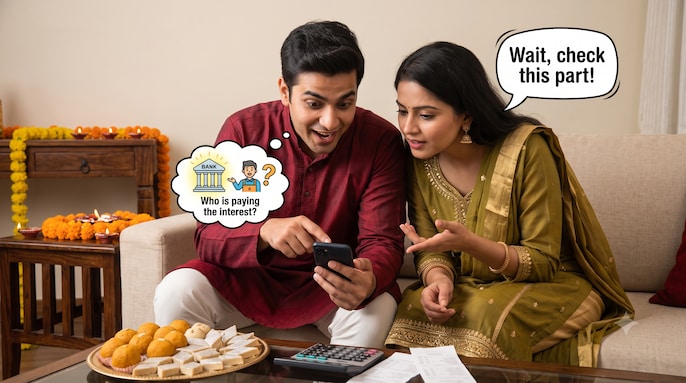
“No-cost” does not necessarily mean the bank charges no interest. Under some arrangements, the merchant or brand offsets that interest through a discount or cashback. Check how your particular offer provides the benefit and when it arrives.
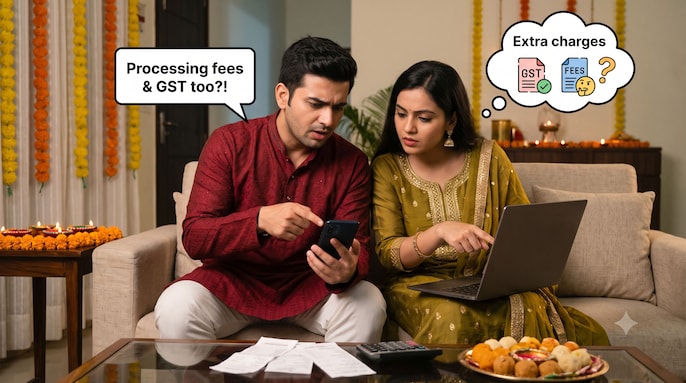
Look for processing fees and applicable taxes in the conversion details. ICICI Bank’s published terms, for example, provide for GST on processing fees, interest and foreclosure charges. Ask whether the offer offsets these costs as well as interest.
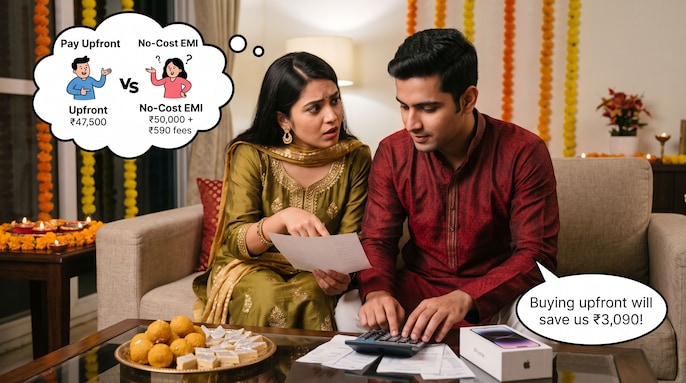
Suppose a ₹50,000 product costs ₹47,500 upfront, while EMI repayments total ₹50,000 plus ₹590 in fees and taxes. The EMI route costs ₹3,090 more. This is an illustration; substitute the actual checkout figures before deciding.
Calculation: ₹50,590 − ₹47,500 = ₹3,090.
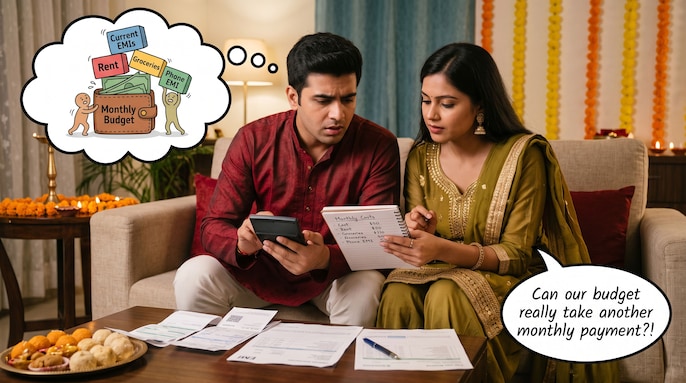
A purchase spread across months still creates a repayment commitment. Add it to existing EMIs and essential expenses before accepting. The bank’s eligibility limit tells you what it may lend; your household budget tells you what you can comfortably repay.
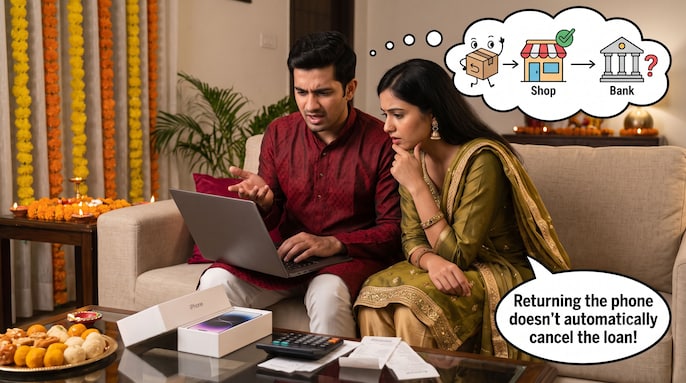
Check the bank’s EMI-cancellation procedure separately from the merchant’s return process. ICICI Bank’s terms require customers to initiate cancellation and set conditions around the refund. Do not assume that a successful product return automatically closes every financing obligation.
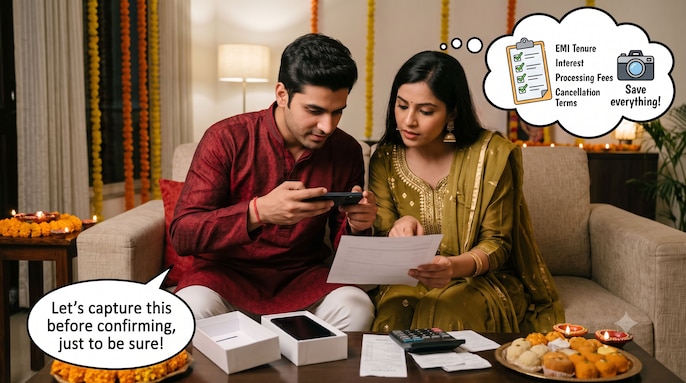
Keep the checkout calculation, tenure, fees, benefit conditions and cancellation terms. After purchase, check the statement against those figures. Your comparison should use the complete payable amount and confirmed benefits, rather than cashback that you may not qualify for.
 India's Next Connectivity Leap? Tata Communications Bets On Satcom & Smart Villages
 Motorola's Shivam Ranjan Speaks To Business Today About Motorola's Upcoming Flagship @ IMC26
 Is The AI Boom Sustainable? The Debate Over Investment Returns, India's AI Future And Job Disruption
 India-UK Trade Ties Set for Fresh Push? Goyal Calls for Faster Business Cooperation
 Rahul Gandhi Vs Gyanesh Kumar: 200 Officers Claim Escalates Election Commission Row












