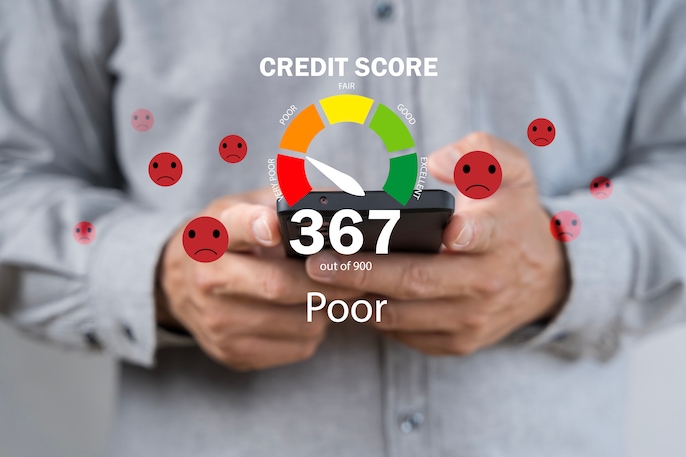
A CIBIL score can move even when you have not taken a new loan. Payment history, credit utilisation, age of credit and lender enquiries are key factors, so fresh credit data can change the number.
A delayed EMI or credit-card payment can hurt your credit profile. CIBIL lists late or missed payments and delinquencies among factors that may negatively affect your score—even without any fresh borrowing.

You may not have taken a loan, but a higher credit-card balance can still matter. CIBIL says high credit utilisation may make a borrower appear over-extended and can negatively affect the credit profile.
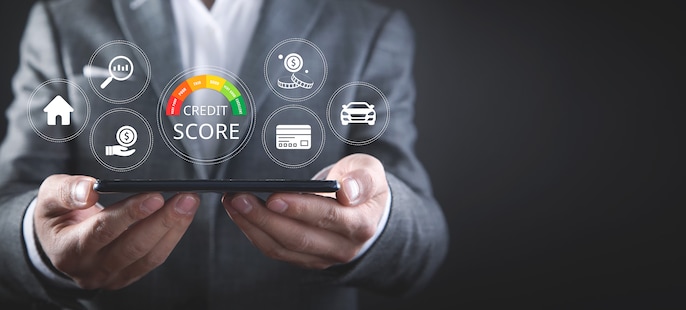
Fresh credit applications may trigger lender enquiries on your CIBIL report. Frequent applications in a short period can hurt the score. Checking your own CIBIL score, however, does not lower it.

Co-signed, guaranteed and joint accounts can affect your credit health too. CIBIL says you are equally liable for missed payments on such accounts—even when another borrower's negligence caused the problem.
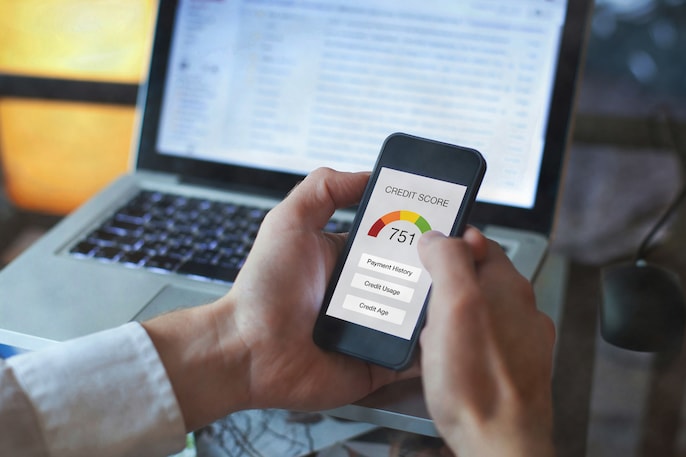
An unfamiliar enquiry, an account you don't recognise or inaccurate lender data deserves attention. CIBIL recommends checking your report for discrepancies, while recently reported data may also take time to update.

Get your CIBIL report and inspect accounts, payment history and recent enquiries. CIBIL provides one free score and report each calendar year, and discrepancies can be raised through its dispute process.
 ASUS ROG Zephyrus G14 (2026) Review: ₹3.6 Lakh Gaming Laptop Worth Buying?
 IMC 2026: The Biggest Tech Innovations You Need To See!
 What Is A Specialized Investment Fund (SIF)? SIF Vs Mutual Funds Explained
 This Week In Cinema: Jailer 2, Ranabaali, Prahaar, Nayyi Navelli & Street Fighter Hit Theatres
 India Inflation Shock: WPI Hits 11.39%, CPI At 5.54% As Crude Oil Touches $107 A Barrel