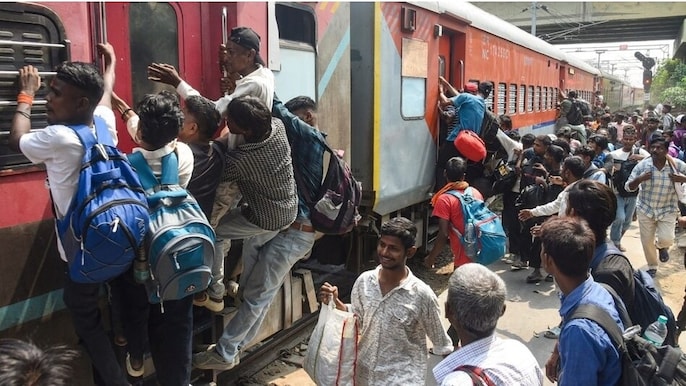
Indian Railways carried a record 741 crore passengers in FY 2025-26 — a 3.54% increase over the previous year. That works out to approximately 23 million passengers every single day — more than the entire population of Australia travelling by train in a 24-hour period.
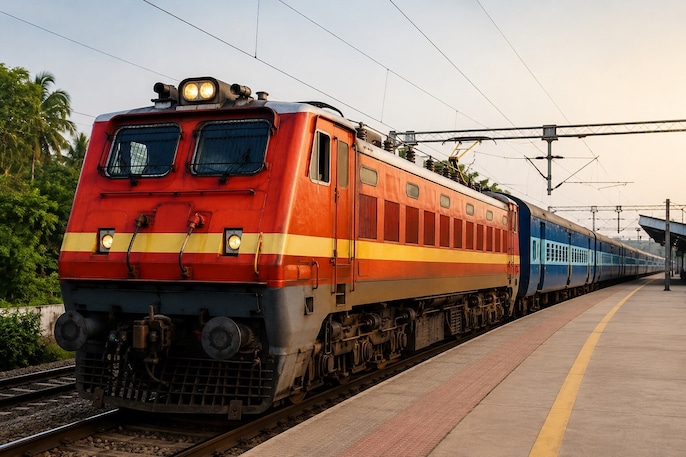
Indian Railways operates approximately 13,198 passenger trains on average daily across 7,325 stations — a network so large it connects every major city, remote hill station and coastal town in one of the world's most geographically diverse countries.
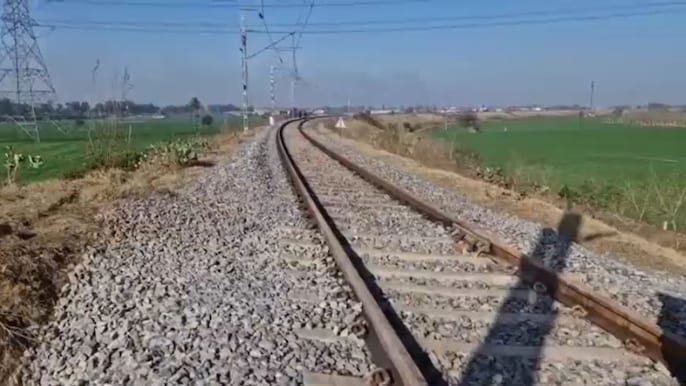
The Indian Railways network spans over 68,000 kilometres of track — enough to circle the Earth nearly twice. All trains combined travel approximately 3 million kilometres on an average day, which is 10 times the distance from Earth to the Moon.
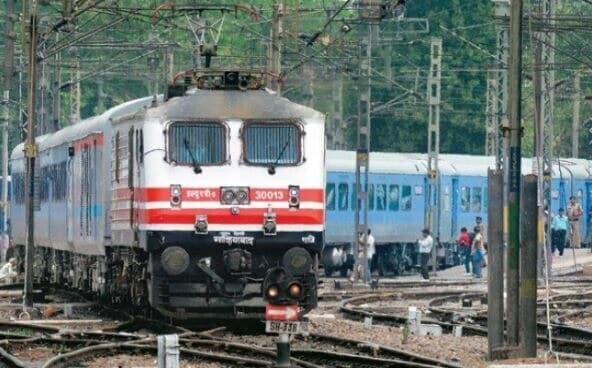
Indian Railways is considered the cheapest mode of motorised long-distance travel in the world. On average, a passenger pays just 38 paise per kilometre — the equivalent of approximately half a US cent to travel a kilometre on what is the world's largest railway under single management.
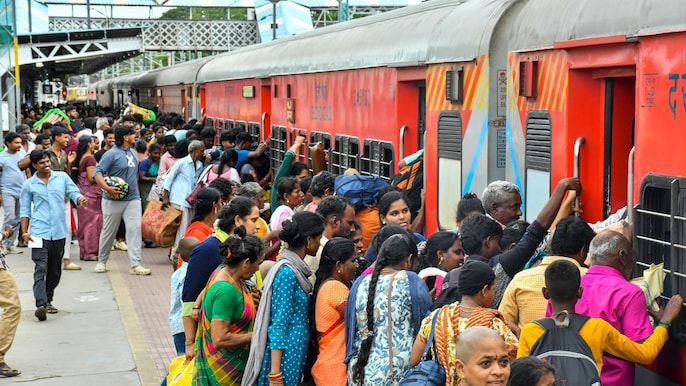
More than half of all Indian Railways passengers — 53.16% — are suburban commuters, the lowest fare-paying category. Yet they contribute just 6.42% of passenger revenue. The network's cheapest travellers form its largest segment.
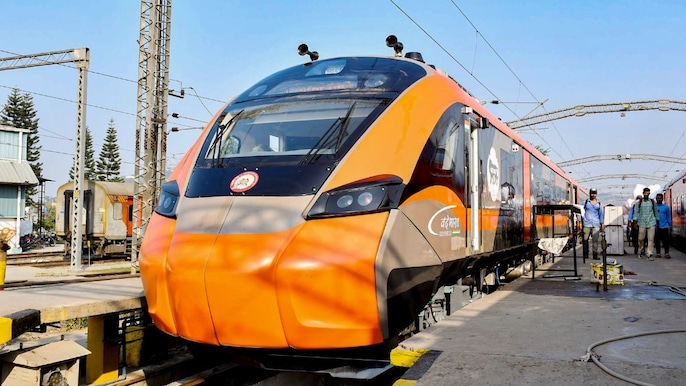
As of June 2026, Indian Railways operates 164 Vande Bharat services and 72 Amrit Bharat trains. In June 2026 alone, it carried 63.81 crore passengers — up from 62.37 crore in the same month the previous year, with non-suburban traffic growing 3.9%.
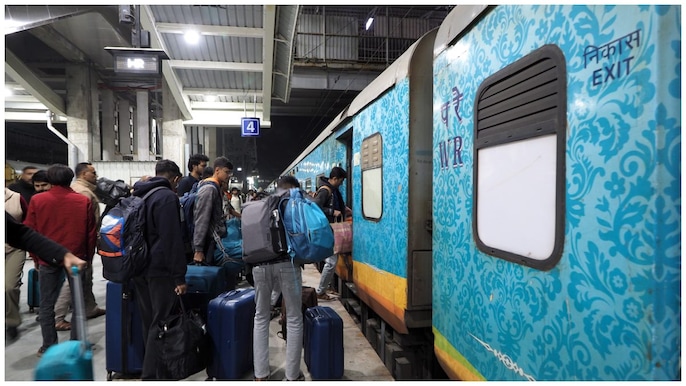
Indian Railways is the world's largest railway system under a single management. Its passenger-kilometres exceed those of the top three US airlines — American, United and Delta — combined, making it the single most important mass transit system on the planet.
 Kotak’s Mid Cap & Flexi Cap Strategy: Where Should Investors Bet Now?
 India GDP Growth At 7.8%: What It Means For The Economy, Markets & You
 Sugar Stocks Under Pressure | Govt Tightens Dealer Stock Limits Till Nov 30
 Market Commentary: Where Is The Next Big Opportunity? | Asit Bhandarkar
 Daily Calls: Ask Your STOCK MARKET TODAY QUERIES | Market Update | Share Market News Today