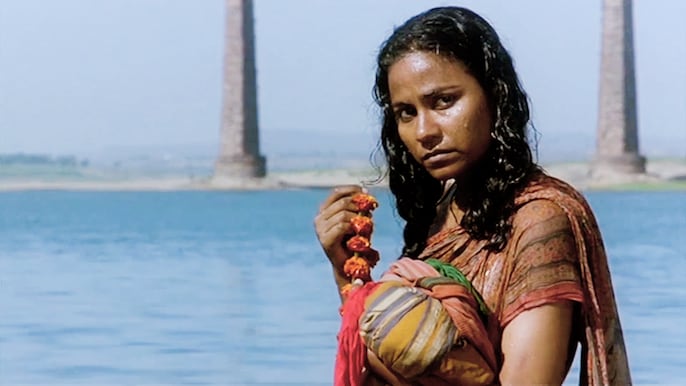
Bandit Controversy
The 1994 biopic Bandit Queen, based on Phoolan Devi’s life, faced legal battles and was temporarily halted by Delhi High Court over explicit scenes, revealing the tension between art and morality in India.
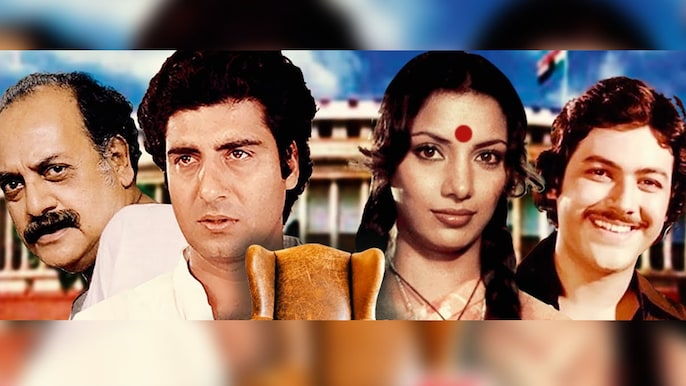
Political Satire
Kissa Kursi Ka became infamous during the Emergency for lampooning Indira Gandhi’s government, leading to a landmark case in censorship, demonstrating how cinema can clash with political authority.
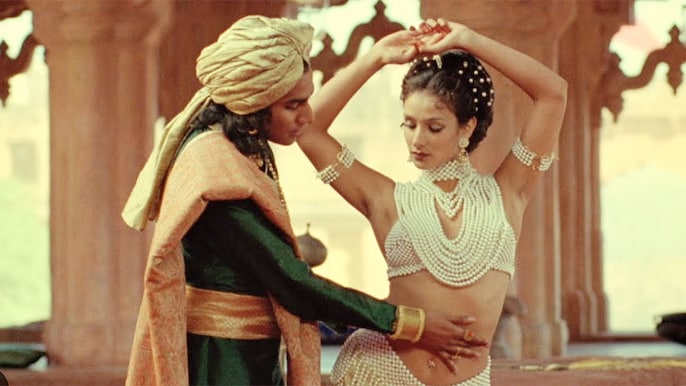
Erotic Blockade
Mira Nair’s Kama Sutra never received certification in India due to nudity and explicit sexual content. While it gained international audiences, domestic censorship highlighted India’s rigid moral benchmarks in cinema.
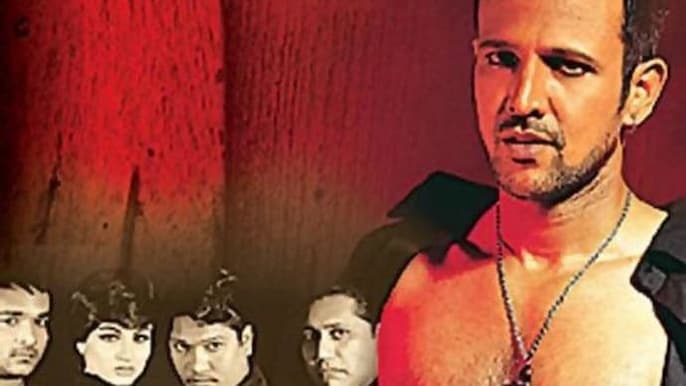
Debut Denied
Anurag Kashyap’s Paanch (2001) faced CBFC pushback for graphic violence, drugs, and dark themes. Despite suggested cuts, the film never hit theaters, becoming an iconic case of censorship vs. creative expression.

Forbidden Love
Unfreedom (2014) was denied certification for lesbian relationships, nudity, and parallel religious extremism narratives. The ban underscored how sexuality and religion remain sensitive in India’s film industry.
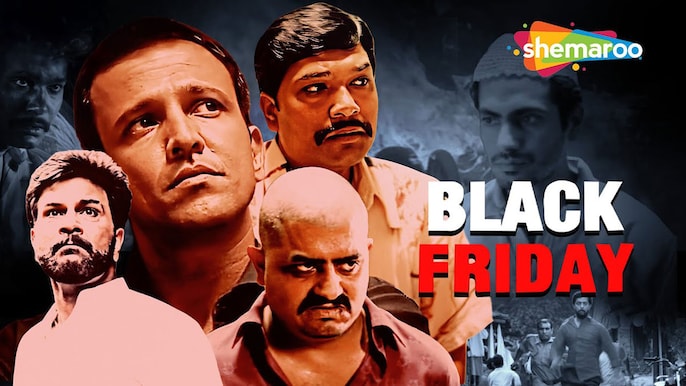
Black Trial
Black Friday (2004) explored the 1993 Bombay blasts. The film’s release was delayed until TADA court verdicts were complete, highlighting how ongoing legal proceedings can clash with freedom of expression in cinema.
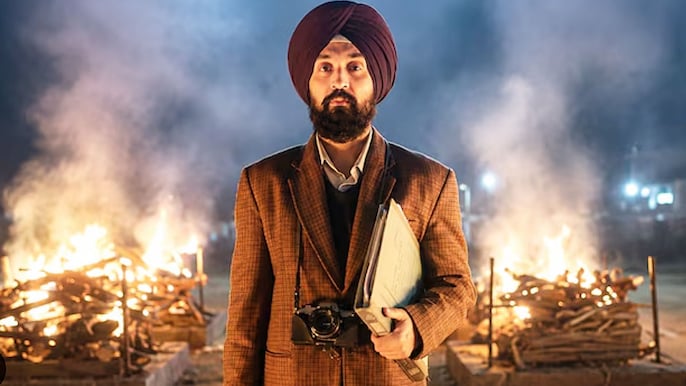
Satluj Shock
Diljit Dosanjh’s Satluj was removed from Zee5 days after release due to “current developments,” reflecting the continuing tension between OTT platforms, censorship bodies, and politically sensitive narratives.
 SEMICON India 2026: Global Chip Giants Announce Major India Investment Plans
 Ep17: How Mira Kapoor Is Building India’s Luxury Wellness Brand | Building A $4 Mn Wellness Business
 PROMO | 27 Years Of BT Golf | BT Golf 2026-27 Tees Off On 19 October 2026
 Supreme Court Questions High Medicine Prices At Corporate Hospitals | Essential Drugs Pricing
 India Seeks Alternate Air Routes Via China, Bhutan To Cut Airline Costs | Pakistan Airspace Ban