Fragile Growth
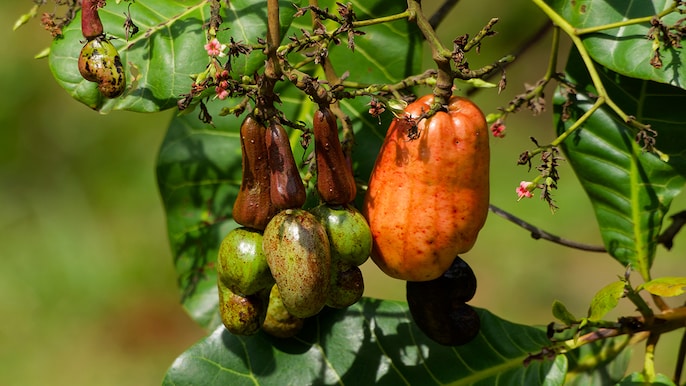
Cashews grow outside the cashew apple, unlike almonds or walnuts. Each fruit yields only one nut, making every harvest labor-intensive and inherently scarce. The unique growth process directly drives high prices.
Toxic Shells
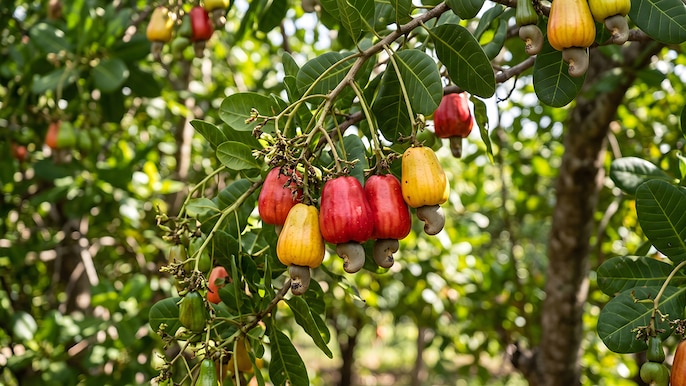
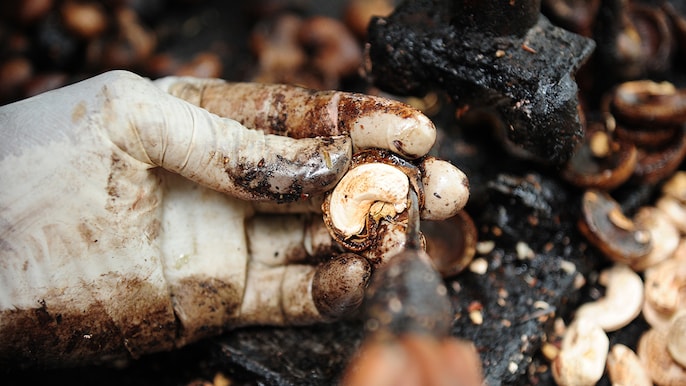
The kidney-shaped shell contains caustic oil (CNSL), similar to poison ivy. Handling requires gloves and safety measures, and neutralizing the toxins through roasting or steaming adds significant processing cost.
Delicate Extraction
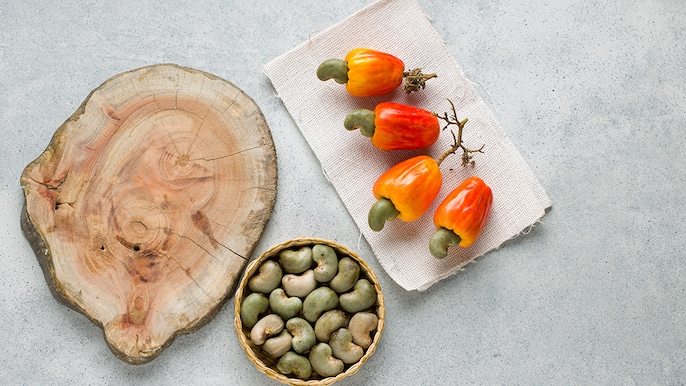
Cashew kernels are fragile. Shelling demands careful handwork or semi-automatic tools to avoid breaking. Whole nuts fetch premium prices, and even minor mishandling can reduce their value drastically.
Labor-Heavy
From harvest to packaging, every kilogram of cashews undergoes multiple labor-intensive stages: picking, separating, drying, roasting, shelling, peeling, grading, and sorting. This extensive workflow inflates retail cost.
Regional Dependency
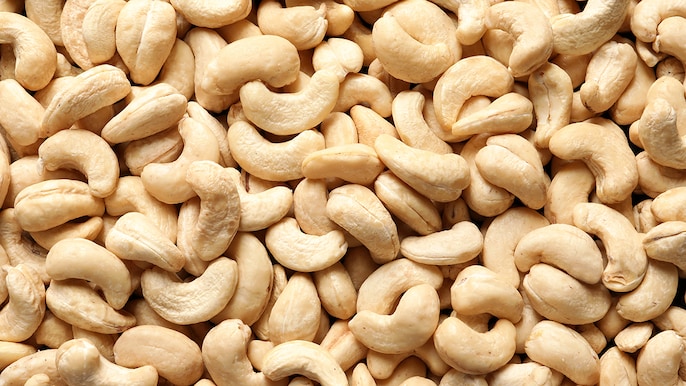
Major producers like India, Vietnam, Nigeria, and Tanzania rely on tropical climates. Weather fluctuations, droughts, and crop diseases reduce yields, creating supply shortages that push global prices upward.
Quality Grading
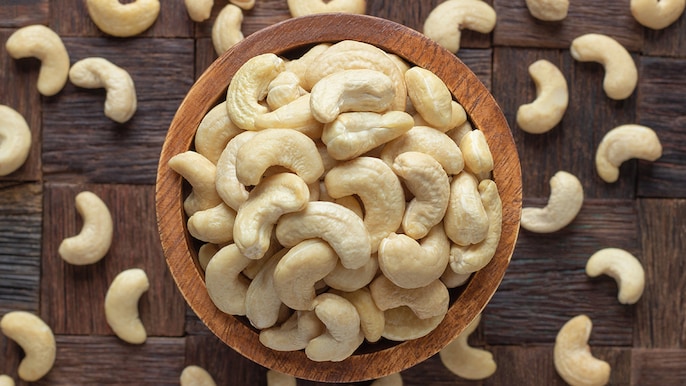
Not all cashews are equal. Large, unbroken, whole kernels are considered premium and are priced higher. Broken pieces or smaller grades are cheaper, often used in sweets or snack mixes, reflecting meticulous quality control.
Rising Demand
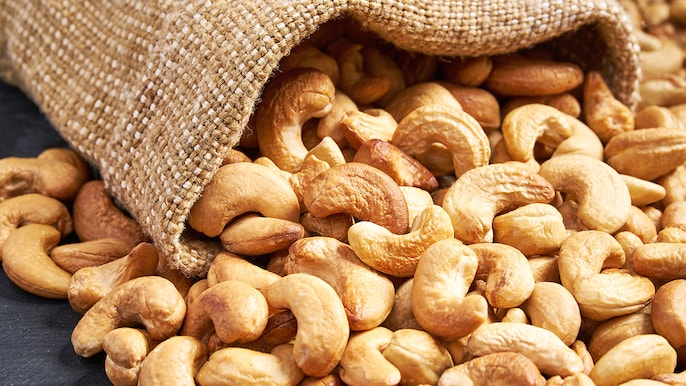
Global health trends and the popularity of vegan diets have increased cashew demand. From plant-based milk to trail mixes, supply struggles to keep pace, ensuring prices remain elevated across international markets.
 Market Commentary LIVE | DSP Quant Fund & Multi Allocation Fund | Aparna Karnik
 Ashwini Vaishnaw Unveils Container-Based Fly Ash Transport to Cut Pollution And Truck Use
 Audit Flags ₹22.74 Crore Irregularities At Butati Dham, Missing Gold And Suspect Bills Under Scanner
 Can DSP MF Quant Funds Really Beat The Markets? Here's What Investors Should Know
 “Global Governance Must Reform”: Jaishankar Pitches MANAV Vision, Future-Ready UN Peacekeeping At UN