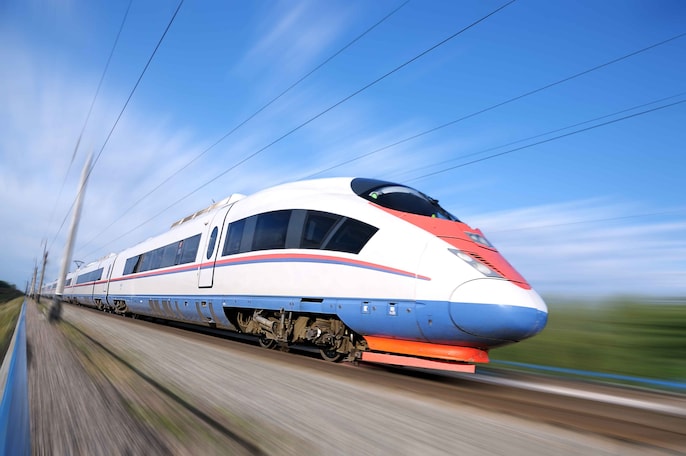
India's first bullet train project connecting Mumbai and Ahmedabad is much more than a high-speed rail corridor. From an undersea tunnel to earthquake detection systems, the project is a collection of some of the most ambitious engineering challenges ever undertaken in India.
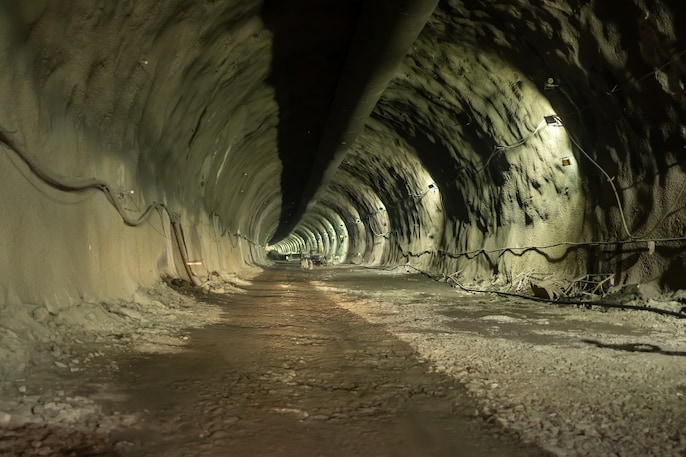
One of the most talked-about features is a 21-km tunnel between Bandra-Kurla Complex (BKC) and Shilphata in Maharashtra. Around 7 km of this tunnel will run beneath Thane Creek — making it India's first undersea rail tunnel, built using advanced tunnelling methods.
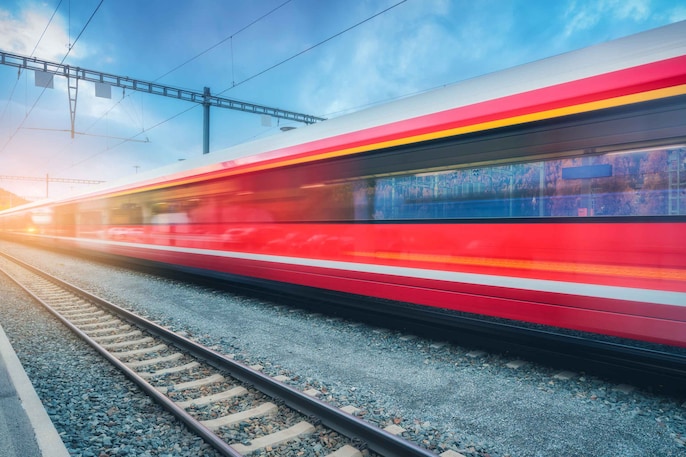
The Mumbai-Ahmedabad High-Speed Rail is designed for a maximum operating speed of 320 kmph, allowing passengers to travel between the two cities in just over two hours on select services. To support such speeds, every part of the infrastructure must meet extremely high engineering standards.
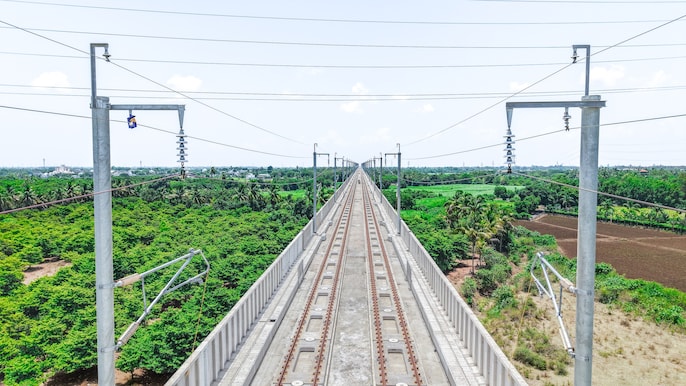
Unlike conventional trains, the bullet train will not run on existing Indian Railways tracks. It will have its own standard-gauge track, specially designed for high-speed travel — ensuring smoother rides, greater stability and enhanced safety at all operating speeds.
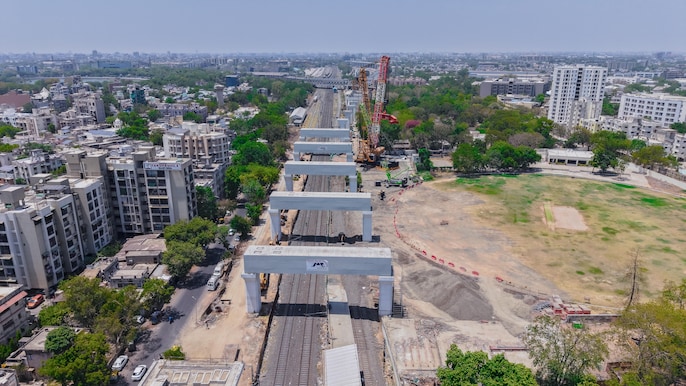
Most of the route will run on elevated viaducts, minimising land crossings and improving safety. The corridor also includes dozens of river bridges, allowing the train to maintain high speeds without interruptions from existing road or rail infrastructure.
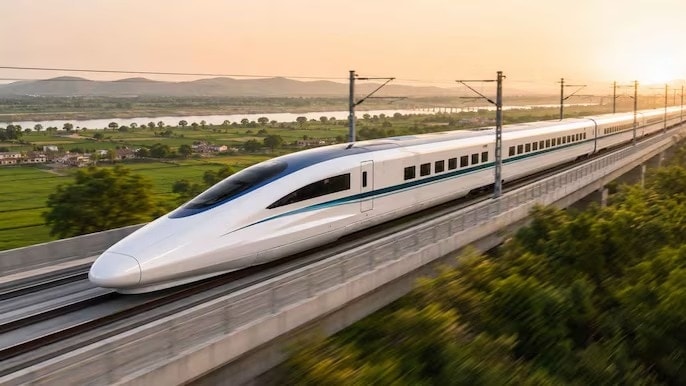
Since Japan's Shinkansen is known for exceptional safety, the Indian bullet train project incorporates earthquake detection systems. If seismic activity is detected, trains can automatically slow down or stop — reducing the risk of accidents during seismic events in Maharashtra and Gujarat.
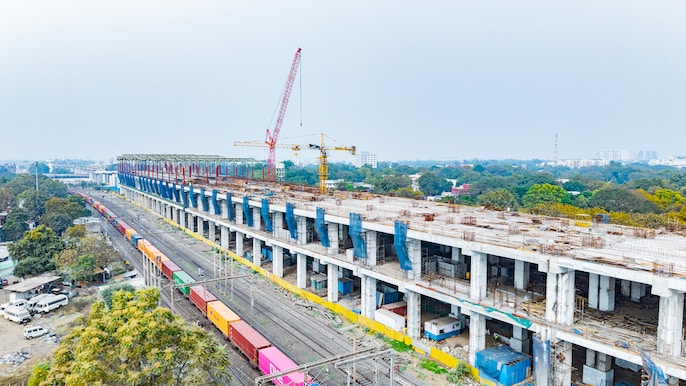
The project includes 12 modern stations featuring airport-like facilities, improved passenger flow, advanced security systems and seamless connectivity with other transport modes. Some stations are being designed as multimodal transport hubs for full regional integration.
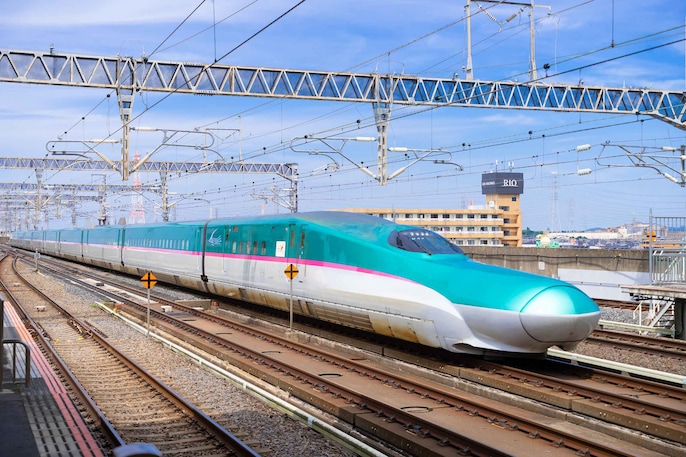
The project is based on Japan's Shinkansen system, one of the safest and most reliable high-speed rail networks in the world. India is adopting proven technologies for train operations, signalling and safety while training engineers in specialised construction techniques for the first time.
 Q1 Earnings Show Slow Growth, But Devarsh Vakil Expects Stronger Recovery Ahead For Markets
 India Market Outlook: FII Flows May Fuel Large Cap Rally As Global Money Returns To Indian Markets
 Kia Syros EV First Drive Review | 526 KM Range, Premium Cabin | Better Than Tata Nexon EV?
 Asian Paints Exclusive: B2B Growth To Outpace Market, Competition Still Brutal
 M.P. Set To Become India's Next Telecom Manufacturing Hub | ₹2,000 Cr Investment Planned | Sources