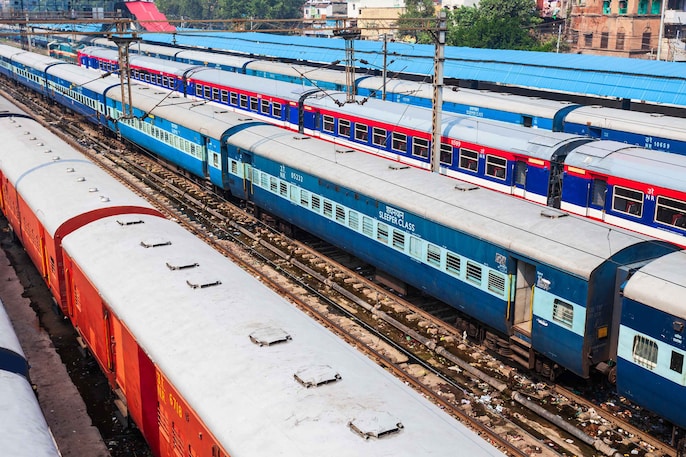
Indian Railways has reported an 88% decline in consequential train accidents over the past 12 years, with only two such accidents recorded so far in the 2026-27 financial year. Railway Minister Ashwini Vaishnaw shared the figures in the Lok Sabha, stating that safety remains the Railways' highest priority.
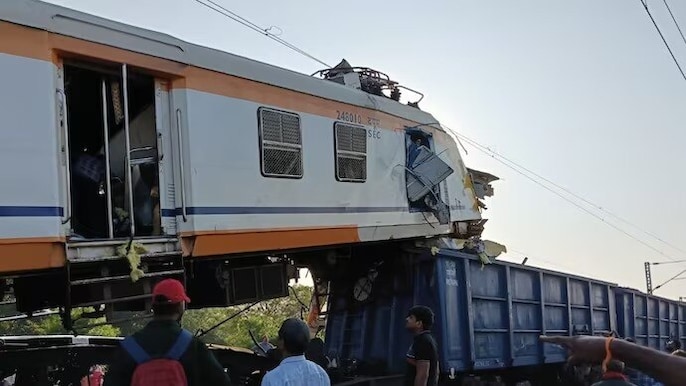
Consequential train accidents are serious operational incidents — collisions, derailments, fires and accidents at level crossings — that directly affect train operations and passenger safety. These have declined steadily over the past decade through sustained investment and technology deployment.
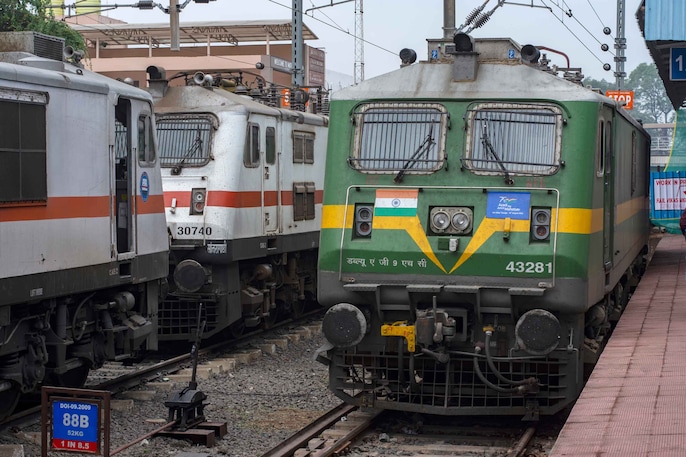
One of the most impactful safety measures has been the expansion of electronic interlocking systems at 6,671 railway stations — significantly reducing the scope for human error in signalling and train movement authorisation across the network.
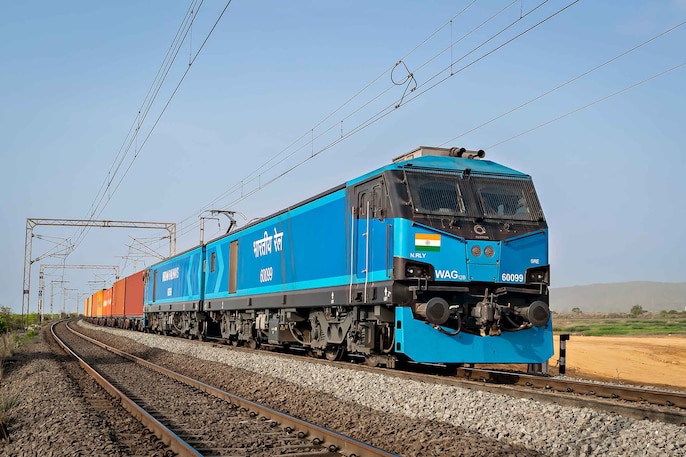
Indian Railways has completely eliminated unmanned level crossings on the Broad Gauge network — removing one of the most dangerous accident-prone points on the railway system. Wider use of LHB coaches, which offer better protection during accidents, has also contributed significantly.
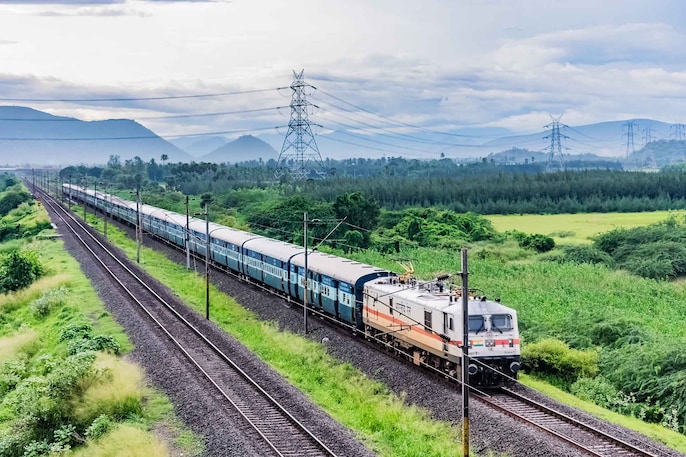
The indigenous Kavach 4.0 automatic train protection system has been commissioned on 2,490 route kilometres, covering parts of the high-density Delhi-Mumbai and Delhi-Howrah corridors. Implementation work is also under way on 21,937 route kilometres, with installation on 7,435 locomotives and 1,200 EMU/MEMU trains.
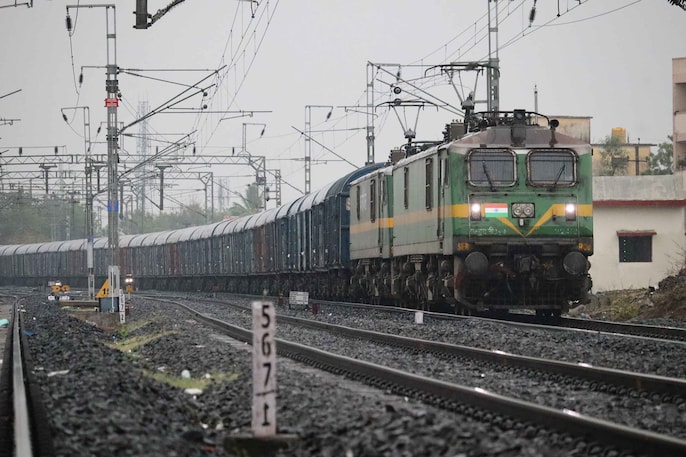
The Ministry said investments in track renewal, bridge upgrades, signalling systems and rolling stock have increased significantly over the past decade — alongside higher production of LHB coaches and a sharp reduction in weld failures as part of a comprehensive railway safety strategy.
 “Unacceptable And Unprofessional”: MEA Rejects Pakistan’s Claims Over INS Kolkata Collision
  Commodity Trading For Beginners: How MCX & NCDEX Work | Trading Basics | Money Today
 US Fed Rate Hikes A Headwind For Foreign Flows? | Jibi Jacob | Jefferies
 ₹25 Billion FII Outflow: What Could Bring Foreign Investors Back? | Jefferies' Jibi Jacob
 India’s Private CapEx Picks Up: Christopher Wood On The Market Outlook